


If you’ve ever been stonewalled by one of our local governmental entities, you’re not alone. Chances are, you’ve managed to ask a question they don’t want to answer, stumbled across some discrepancy they don’t want to respond to, or confronted them on some issue they don’t want to be held accountable for. Stonewalling is a tactic used (especially in government) to hinder citizens from accessing information, gaining understanding, working to change a process or bringing concerns to light. It’s used to delay, block or be evasive.
In April 2020, I co-founded a grassroots Facebook group called Pocatello for Accountable Government Entities (P.A.G.E.). Our purpose is twofold: to encourage more civic involvement and to create effective accountability within all taxing entities by developing specific action plans. To assist in fulfilling this purpose, we advocate for better transparency within all government entities. Unfortunately, some elected/appointed individuals, and public employees believe transparency is limited to only what is required by law. Simply by noticing public meetings and posting agendas and minutes, they believe transparency is achieved. P.A.G.E. strongly disagrees.
Open meetings and records laws provide only minimal transparency. True transparency is achieved by effectiveness of communication and willingness to communicate. Some of that responsibility rests on us and our level of involvement. But those entrusted to manage considerable public dollars own a greater responsibility in providing active, purposeful transparency.
P.A.G.E. intends to work toward improving transparency by encouraging our local entities to provide more and better communication earlier in the decision-making process. There’s some resistance to this idea. Some don’t want to make an effort to encourage or create opportunities for public involvement. They may not necessarily want the public informed about what they’re working on and they’re not always open to discussing individual or group’s concerns, especially dissenting opinions.
Late last fall, I started attending the Pocatello Development Authority meetings to become better informed about urban renewal. Access to these public meetings isn’t “public friendly.” These meetings are held at 11 a.m. on Wednesdays. So their “transparent” meetings are held in the middle of the day and work week when a majority of citizens are at work. Keep in mind, six of the nine appointed PDA board members are appointed volunteers, so they may be leaving their jobs to attend. The other three board members are elected officials: Mayor Brian Blad, City Council President Heidi Adamson and Commissioner Terrel Tovey. When COVID-19 hit, the meetings were closed to the public and live-streamed. The previous month I had learned the PDA declined to provide audio recordings of their meetings. In May, I learned they weren’t “recording” or posting the live-streamed meetings on the Pocatello Community Media YouTube channel (although the city has this capability). It’s true — they aren’t required by law to provide audio recordings or record their live-stream meetings. But, I must ask “why not” if they value transparency? It’s common practice for city staff to record meetings to aid in the preparation of minutes. If so, technically that recording is “work product” and should be made available via a record request. Likewise, since the meetings were already being live-streamed, the extra steps to record and post these would have created minimal work. This is important because the PDA is creating obstacles to timely access to information. Having easy public access to either of these formats enables P.A.G.E. to better monitor developments and accurately inform others. It allows citizens the flexibility to listen to or watch the video recorded meetings at their convenience, not when they’re working.
On May 22, I wrote the PDA Board of Commissioners asking them to reconsider their practice and make audio recordings available if video recordings weren’t practical and to put my request on their next agenda. But guess what? There are no email addresses available to the public to contact the members of the PDA. I sent my letter (addressed to the board) to the board’s appointed executive director, a city employee, asking that it be distributed to the board. To the best of my knowledge, that didn’t happen. Instead, I was informed it had been sent solely to the PDA chair as it was his decision whether or not to place my request on their agenda.
I disagree with that process. Any citizen ought to be permitted to share questions or concerns with all PDA board members. After three weeks of silence, I decided on June 12 to forward the email string along with another email addressed to my three elected officials who sit on the PDA board, asking them to advocate for better transparency and to demonstrate a willingness to communicate.
As of this writing, more than three weeks have passed without a response from any of the three elected representatives and six weeks since the initial letter. I must assume the other five members of the board never received the communication. This, my friends, is what stonewalling looks like. If any of the PDA’s board members are just learning of this communication, please reach out. We P.A.G.E. members welcome a conversation.
It will take time and effort to surmount these obstructions. Step one is to create public awareness. The more people that are aware of the impactful decisions, actions and choices our various representatives make, the better informed we’ll all be as voting citizens. Hopefully, P.A.G.E. will pique additional interest in citizens to follow and attend these types of meetings.
And, while some may perceive us as amateurs and newcomers to creating local accountability, P.A.G.E is just getting started. If you support bringing accountability to our local entities, reach out to us via Facebook (Pocatello For Accountable Government Entities) or email us at ally2.page@gmail.com and join our email listserv.
This is a grassroots community effort to increase your voice in local decisions, and volunteers are needed. Please consider giving us one hour a month to help make a difference. In the meantime, we’re working hard at dismantling those “stonewalls” and gathering some data and information to help you be better informed, so stay tuned.
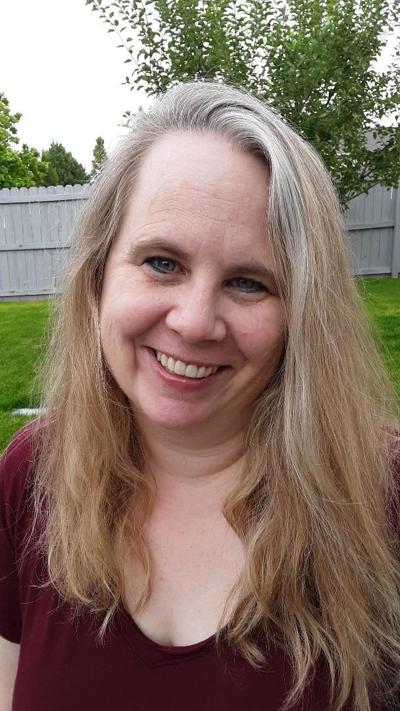
Heather Disselkoen of Pocatello is a fellow taxpayer, active in advocating locally for transparency and responsible government. She aims to do her part to help educate others on the issues and encourage more citizen involvement.

(0) comments
Welcome to the discussion.
Log In