



Everyone makes mistakes. We all get in over our heads sometimes. Sometimes we get in bad situations because of a mistake, or a momentary lapse in judgement. Sometimes we sabotage ourselves out of downright rebelliousness or wrong intentions. No matter how we get into trouble, there is one overarching key to every single story of recovery. Someone figured out how to stop making things worse. This is most significantly true for individuals, but for the sake of our current national struggles, I would suggest this principle as one that leaders of organizations must heed as well.
As an individual who faces a struggle, the first step in overcoming that struggle is making a plan to stop making things worse. That struggle might be a relationship issue, a substance abuse issue, a legal issue, a financial issue, or some other scenario. The common thread for recovery is that before it can get better, it has to stop getting worse. Religious communities call this notion “repentance,” and there is wisdom in the concept.
As an organization, a community, and even as a nation; the same principle applies. The first step to things getting better is … stop making them worse.
I know it sounds like I’m repeating myself, but it’s worth reiterating.
Have you ever noticed how some people have setbacks that end up looking more like a set-up for a comeback? While this is true for some, others seem to have setback after setback, and never get to the comeback. I believe that the difference is the ability to identify behaviors and mindsets that are contributing to the problem and replace them with a healing and restorative perspective.
So what are the characteristics of someone who is able to recommit to healthy and restorative living after getting derailed? I would suggest that the first characteristic is a concept of the good that is possible. If the problem is relational, visualize that relationship on healthy terms. If the problem is financial, visualize what it would look like to keep track of your money and make the most of your resources. If the problem is substance abuse, visualize clean living and discovering satisfaction outside of substance use. Visualizing yourself beyond that problem can bring hope, and hope changes everything.
Next, identify the behaviors and mindsets that contribute to the problem. When you are trying to eat right and lose weight, you’ll mess up and have a cookie now and then. Do you get frustrated with yourself and binge for a day, or longer? Let’s say you have been in debt, and pay off most of a credit card only to give in to temptation to use it for a nice dinner out. Do you get frustrated, give up and run up the rest of the balance? Perhaps you realize that smoking is not leading to the healthy lifestyle you want, so you decide to quit. After a successful month with no cigarette you find yourself in a situation where you end up smoking. Do you give up and go back to two packs a day?
If you can identify the mindsets and behaviors that make things worse when you are pursuing a better vision of life, you can avoid those things. Instead you can choose to embrace restorative thinking. When you break down and eat the cookie, you can quickly decide not to make things worse, and rededicate yourself to healthy alternatives. When you make a poor financial choice, you can quickly identify what it will take to regain momentum, and choose not to dig a deeper hole of debt. When you have a relapse with smoking, drinking, or whatever; it is your choice to give in to the extreme relapse or choose to quickly rededicate yourself to breaking free.
I would also add that not making things worse includes going easy on yourself. You won’t be perfect. You’ll mess up. You’ll make a mistake. This doesn’t mean you are a bad person, a failure, or a loser. It means you’re human. Choose resilience instead of relapse. Begin a step at a time. Little by little focus on not making things worse, and eventually they will get better.
Finally, what are the characteristics of resilient organizations and communities? They’re similar. The best leaders are the ones that present a better vision of the future to those they lead. They demonstrate the best parts of our natures and the noble characteristics we esteem. Once that vision has been shared, they dedicate themselves to the mindsets and behaviors that will make that better future a reality. I’ve always heard that “you reap what you sow.” I believe that we as a nation are reaping division because we have tolerated divisiveness. Perhaps we envision a better future with civil discourse and justice as characteristics because we feel the absence of those ideals currently. Will escalating negative speech and matching injustice with other forms of injustice get us there? No, indeed more of what got us here will make things worse. Resilient communities and organizations celebrate the best parts of who we are and what we are capable of, determining to pursue more of the good. Begin a step at a time. Little by little we must focus on not making things worse, and eventually they will get better.
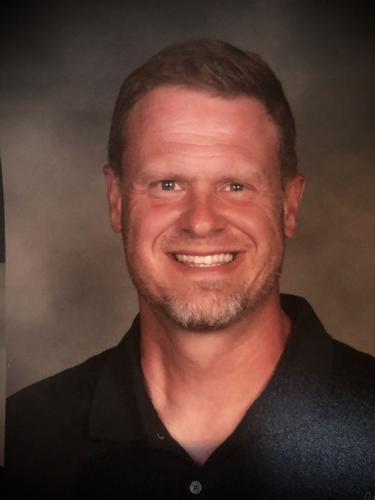
Dr. David Walker is a local school counselor and graduate student in the master’s in social work program at Idaho State University. He lives in Pocatello with his wife and three children.

(0) comments
Welcome to the discussion.
Log In