


A trail connecting Stanley to Redfish Lake is to be completed this summer, decades after the idea was first conceived to connect the two destinations.
The 4.5-mile gravel path from Pioneer Park in Stanley to Redfish Lake Road will allow for walking, biking and horseback riding, as well as snowmobiling in the winter. It will also be accessible to people with disabilities, including people in wheelchairs.
Stanley Mayor Steve Botti said recreation in the SNRA increased dramatically during the COVID-19 pandemic. Redfish Lake is the most popular spot, attracting as many as 2,200 people during the peak summer season. The trail will provide an alternative to walking or biking along Idaho Highway 75, the only other route to and from Stanley, Botti said, and also reduce parking bottlenecks around the lake.
“This will provide an alternative for people who are staying in Stanley and want to go there, that they won’t have to drive there and try to find a parking spot,” he said.
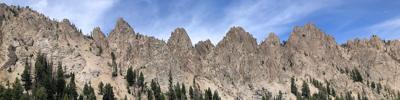
Botti said the trail provides an additional recreation opportunity with “extremely scenic” views of the Sawtooth Mountains.
Construction began in 2019 but was delayed, in part due to an ongoing lawsuit filed by the owner of the private property the trail transects.
Kirk Flannigan, the area ranger for the Sawtooth National Recreation Area, said most of the work wrapped up last year. Construction crews are due any day to complete it. After the Forest Service puts finishing touches on signs and gates, the trail will officially open in late June or early July.
“I’m very excited to finally get to open this to everyone that visits the area,” Flannigan said.
Personnel with the Sawtooth National Forest had envisioned a trail between Stanley and Redfish Lake since the 1990s and plans to develop it were published in 2014.
In 2005, the Forest Service paid $1.8 million to members of the Piva family for an easement on their Sawtooth Valley ranch. The easement spelled out a right for the government to “permit public use” on a trail within a 30-foot right of way.
In 2019, the new owners of the former Piva property, David Boren, co-founder of Boise-based Clearwater Analytics, and his wife Lynn Arnone, sued the Forest Service to stop the trail. They argued the plans didn’t meet environmental regulations and that the agency didn’t have the right to construct it. About 1.5 miles of the 4.5-mile-long, 6.5-foot-wide public trail crosses their property.
In 2022, U.S. Magistrate Judge Candy Dale ruled in favor of the Forest Service, saying the agency had done its environmental due diligence and that the plaintiffs had missed the 12-year statute of limitations to bring complaints about the easement under the federal Quiet Title Act. Boren and Arnone are appealing the part of the lawsuit regarding the Quiet Title Act to the 9th Circuit Court of Appeals.
In an interview with Boise State Public Radio, Boren said the district court “dodged” issues in the case by saying they filed their complaint too late.
Still central to the case is the conservation easement, which Boren and Arnone inherited when they bought the property from the Pivas in 2016. They said they knew about the easement but believed the trail would remain a "modest dirt path," as it had long been.
They contend that the Forest Service’s act of constructing the trail — bringing in equipment, laying and hardening the gravel — exceeds the scope of the easement on the property.
“They took what was a good trail with no issues and turned it into — they view it as part of their commuter plan, which sounds more like something for Portland than Stanley,” Boren said.
In a brief filed last week in the case on behalf of the Forest Service, Idaho’s U.S. Attorney Josh Hurwit argued developing the trail is within the scope of the easement.
“Put simply, the public cannot 'utilize' the thirty-foot strip of land without a trail," the brief stated.
In addition, the U.S. government argued that the Pivas not only agreed to a public access trail in the easement, but they also agreed that any rights on the property not expressly reserved by them were handed over to the government, per the language in the document.
In a panel discussion on the 50th anniversary of the Sawtooth National Recreation Area hosted by the Ketchum Community Library last summer, Flannigan reiterated the Forest Service's intent to finish the trail, 18 years after purchasing the easement.
"My approach to the trail is like a pit bull," he said. "We're going to protect the rights of the United States and build the trail."
Hearings in the 9th Circuit case have not yet been scheduled.
In the meantime, the Forest Service is advising people not to use the trail until construction is complete and equipment is cleared from the area.

(0) comments
Welcome to the discussion.
Log In