

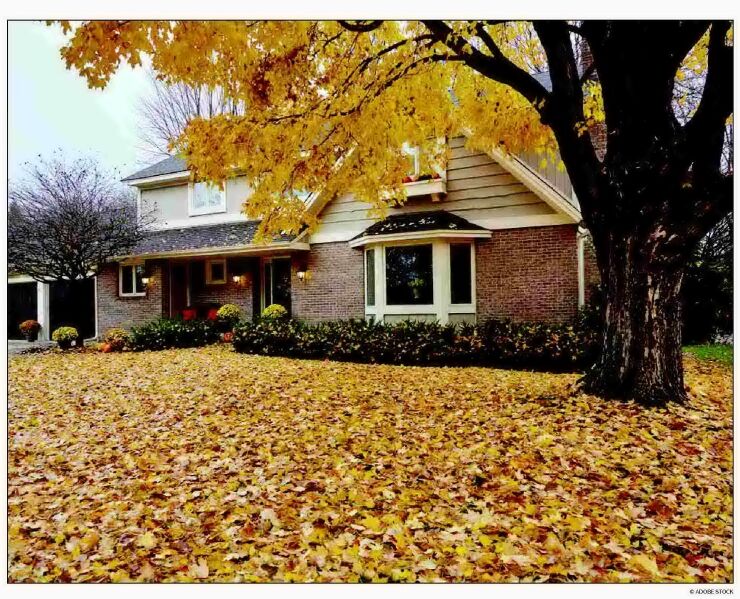
Forget the raking and bagging, this fall, help both wildlife and your back by leaving the leaves where they land. The National Wildlife Federation says that raking up fallen leaves may harm the environment, wildlife and rob your lawn and garden of nutrients.
"Leaves form a natural mulch that helps suppress weeds and fertilizes the soil as it breaks down. Why spend money on mulch and fertilizer when you can make your own? Turning leaves into solid waste is, well, wasteful," said National Wildlife Federation Naturalist David Mizejewski. "Removing leaves also eliminates vital wildlife habitat. Critters ranging from turtles and toads to songbirds, mammals and invertebrates rely on leaf litter for food, shelter and nesting material. Many moth and butterfly caterpillars overwinter in fallen leaves before emerging in spring. Also, sending organic matter such as leaves to the landfill causes the release of greenhouse gases that contribute to climate change. Best of all, the less time you spend removing leaves, the more time you'll have to enjoy the gorgeous fall weather and the wildlife that visits your garden."
Leaves and yard debris account for 13% of the nation's solid waste, according to the U.S. Environmental Protection Agency, or about 33 million tons a year. These tons of organic matter, piled up in the nation's landfills, lack sufficient oxygen to decompose. Piled up there, yard waste releases the greenhouse gas methane, which also harms the environment.
All kinds of animals also use leaf litter as their home. This includes turtles, toads, birds, insects, reptiles and amphibians. Furthermore, leaves smother weeds and can fertilize the grass and plants you want to thrive in warmer months.
If you can, let leaves break down naturally, exactly where they fall. Pile them into leaf shelters along with branches, sticks and stems to give shelter to vulnerable wildlife. You can also mulch them with a mulching mower. If you have to remove the leaves, add them to your compost pile or use them as mulch in your existing flower beds. Some community groups and gardens may also offer to pick them up for use in their own gardens.

(0) comments
Welcome to the discussion.
Log In