

BOISE — Wildfires are no longer strictly seasonal, and federal agencies are working to help communities prepare for and respond to the increasingly frequent blazes.
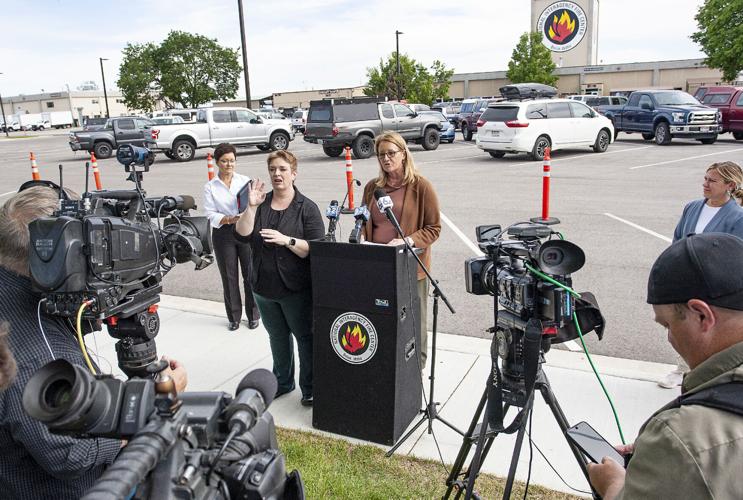
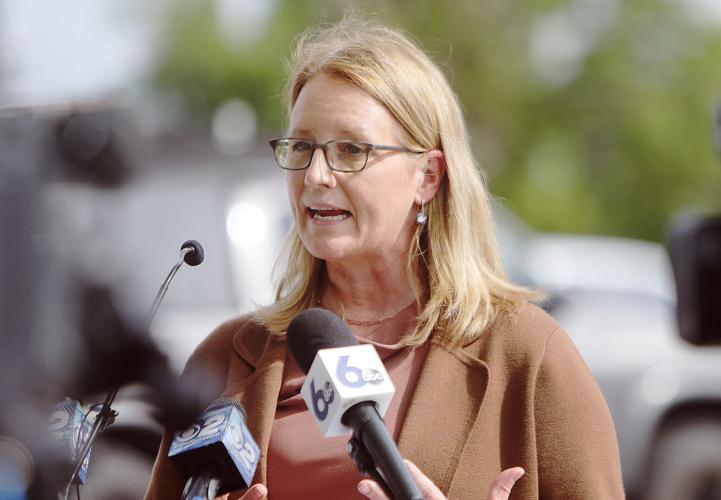
“Fortunately, as we are here today, there are no wildfires that are burning in Idaho,” said Deanne Criswell, FEMA administrator at a press conference at the National Interagency Fire Center in Boise Tuesday evening. “However, that does not mean we are without risk. We should continue to prepare for what could be another potentially bad wildfire season.”
Officials representing the Federal Emergency Management Agency (FEMA), the U.S. Fire Administration, the U.S. Department of the Interior, and the Idaho Office of Emergency Management participated in the briefing to discuss regional and national wildfire preparedness.
The group of individuals who spoke at the briefing were part of FEMA’s National Advisory Council, which includes members representing different parts of the emergency management industry, including public and private partners, federal and state partners, and climate advisors, Criswell said. The group held its annual meeting earlier this month to “understand how they can better advise FEMA … and what we can do to better support our jurisdictions with wildfire response,” she said.
One of the roles of FEMA is to understand the needs and expectations of communities so the agency can help them recover from disasters, Criswell said. She pointed to New Mexico, which has been fighting the largest fire in its history this spring, with over 300,000 acres burned and over 400 homes destroyed.
According to Criswell, FEMA has deployed over 250 employees to that state to assist communities with recovery. The agency also provides “the financial resources that (communities) need to continue fighting those wildfires,” she said.

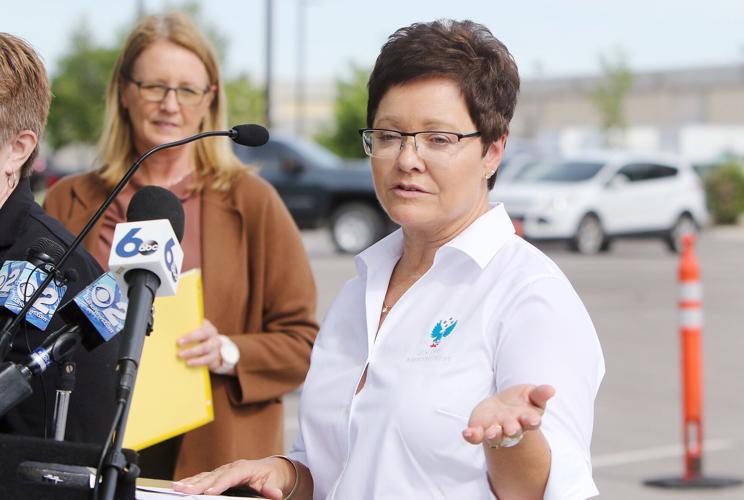
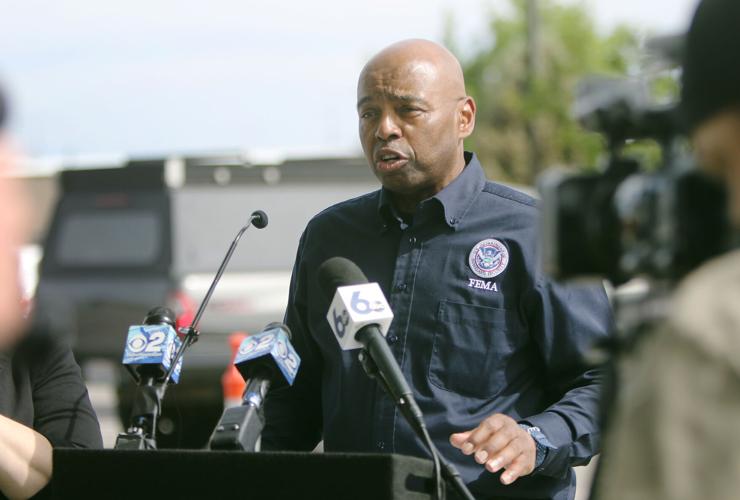
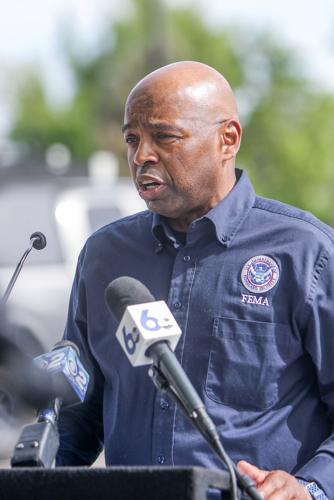
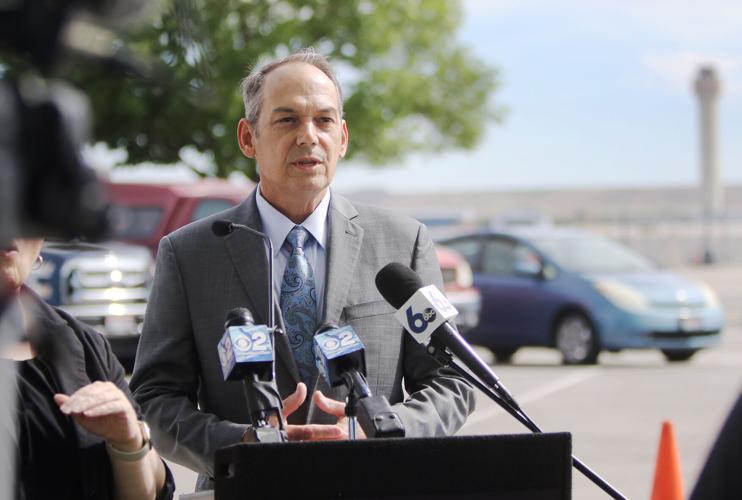
FEMA Administrator Deanne Criswell speaks to members of the media during a fire readiness press conference at the National Interagency Fire Center in Boise, Tuesday, June 7, 2022.
In Idaho, between the years of 2000 and 2020, over 2,800 wildfires burned, Criswell said. Nationally, the “most damaging” fires have occurred in the past few years, she said.
“They are a year-round threat due to the increasing risks that we are experiencing from climate change, and we cannot shy away from the work that we need to do to help mitigate the future risks we might be expecting,” she said.
The agency offers fire management assistance grants and hazard mitigation grants to help communities recover from wildfires, and to reduce the risk and severity of future blazes, Criswell said. Money from these grants can be used for activities such as reducing vegetation that could fuel blazes, and investing in construction that burns less readily, she said.
Criswell encouraged people to understand the risk of wildfire where they live and to prepare themselves and their families to be ready in the event of a fire.
“Wildfires move fast, they are unpredictable,” she said. “We cannot take them for granted. And so I please ask everybody, do not underestimate the impact that you could experience from wildfire” and listen to local officials’ instructions in the event of a wildfire, she said.

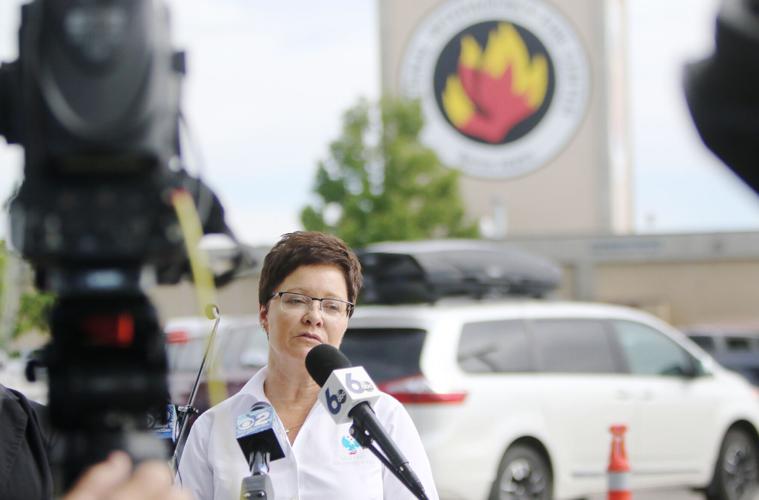
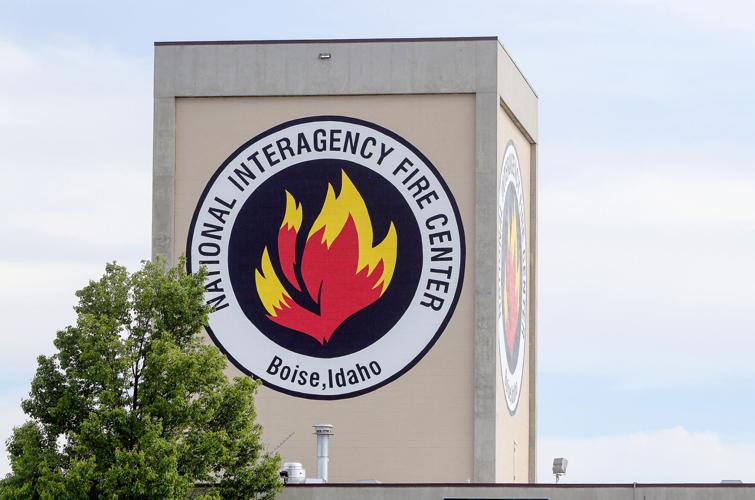
The National Interagency Fire Center in Boise, Tuesday, June 7, 2022.
Dr. Lori Moore-Merrell, administrator for the U.S. Fire Administration, said that the agency partners with others to follow a cohesive wildfire strategy. That approach includes making landscapes more resilient to wildfire, encouraging fire-adapted communities, and training local firefighters to respond to residential fires and wildfires that may affect residential neighborhoods, she said.
The U.S. Fire Administration released a report today about the ways states can better prepare to fight wildfires, Moore-Merrell said. The report is available at usfa.fema.gov.
In Idaho, coordinating wildfire response can be challenging due to the patchwork of private land, state land, and federal land, said Brad Richy, director of the Idaho Office of Emergency Management.
The meeting the officials participated in helps promote cohesiveness between every entity, said Willie Nunn, administrator for FEMA Region 10, which includes Idaho, Washington, Oregon, California, and 271 tribal nations.
“We’re not handing out business cards as we do this,” Nunn said. “We’re working together each and every day.”

(0) comments
Welcome to the discussion.
Log In