

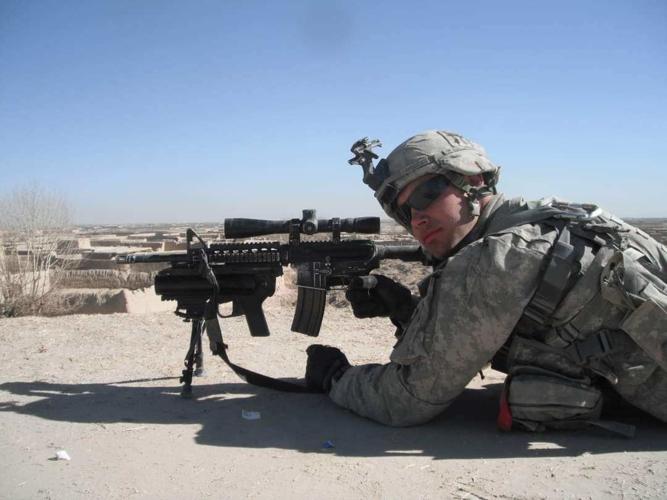
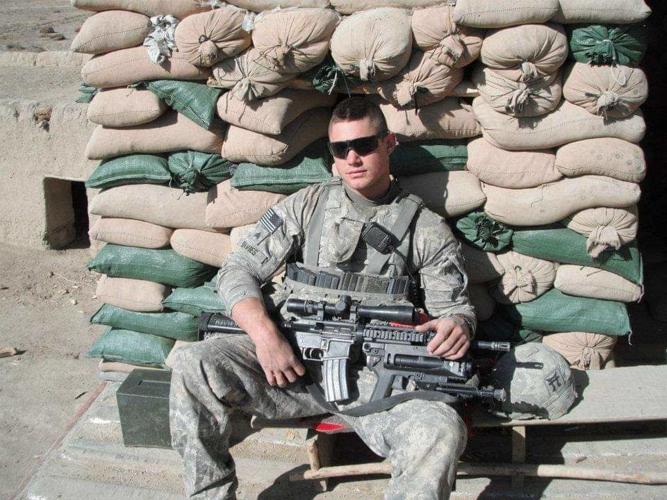
POCATELLO — As a veteran who served in the 101st Airborne Division of the U.S. Army in Afghanistan and Iraq after personal life events and 9/11 propelled his decision to serve, Russell Davies is no stranger to understanding how important support and purpose is after military service.
And as a veteran who has witnessed first-hand the difficult challenges that post-traumatic stress disorder can bring, he’s created a program geared toward helping veterans with PTSD thrive that is more than just a retreat—it’s a change in lifestyle.
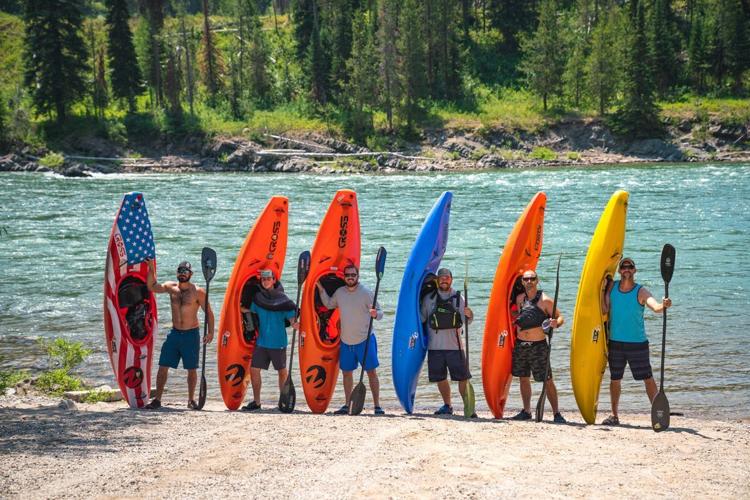
Davies’ nonprofit organization, Professional Transformation Sports Development (PTSD) Veteran Athletes, is a program that not just introduces veterans to an extreme sport but also allows them to cultivate a passion for the sport long after they return home.
Davies, who is a professional kayaker and has been all across the world on kayaking sponsorships, explained that once he returned home from service in 2011 he hit a difficult patch where he struggled with purpose.
“When I got out, it was a pretty big struggle trying to reintegrate and figure out what I wanted to do with my life and I kind of was making some bad decisions at that time,” he said. “And I look back at what really gave me passion and purpose and that was white water kayaking.”
His love of the sport gave him a healthy outlet that allowed him to meet new people with a shared interest, which is what PTSD Veteran Athletes strives to provide for all of its participants.
The organization holds several programs per year that offer a fully paid, two-week class that introduces a group of veterans to an extreme sport such as mountain biking, kayaking, rock climbing or skiing/snowboarding. All expenses — including air travel and accommodations — are covered.
Veterans receive sporting gear that is theirs to take home as professional instructors teach them the ins-and-outs of the sport and the benefits of using outdoor recreation as a source of healing and therapy. During this time, they engage with other veterans and become reliant on each other, forging bonds and a fellowship that helps them understand they are not alone and have support.
“It gives them the opportunity to get involved with other veterans who are struggling with similar problems, and I think that itself is healing,” Davies said. “Real bonds are formed through these extreme outdoor sports. You basically have to allow yourself to trust other people with your life. And outdoor action sports ... are a similar structure to the military, when you’re up a hundred feet on a cliff wall and whoever is belaying you down below, your life is in their hands.”
In addition to this, the gear that veterans get to take home gives them equipment they might not otherwise have been able to afford and allows them to pursue the sport long after the class has ended.
“We’re a unique program that prides itself on a family-style structured program,” Davies said. “Everything we do is way more relaxed and that’s why we do it in groups. There’s other programs where you can go do a three- or four-day rafting trip that is completely catered, paid through a guided company, and you can take your family … and you’re like, ‘Man, this is really awesome,’ but after that it’s like, ‘See you later.’ And so I mean if you’re struggling drastically and you just got to experience a glimpse into a better lifestyle and then have it taken right back away from you, I mean it honestly kind of leaves you in a worse position than you started and that’s our main thing.”
He continued, “I want to make sure that (veterans) have all the tools and knowledge to be able to continue to support the longevity. And the outdoor sporting industry is such an open and welcoming environment, and once you have the knowledge and tools, it normally doesn’t take you very long to find other people to go with no matter where you’re going back home to.”
Davies explained they’ve had many successful programs and that several veterans have even moved to Pocatello after the experience in order to be closer to those who they’ve forged long-lasting friendships with.
“It’s therapy to me and, you know, I thoroughly enjoy what I get to do and I feel lucky to show other people the same thing that helped me,” Davies said.
PTSD Veteran Athletes is open to any veteran nationwide and relies on donations to keep the program running. For those interested in donating or learning more about the organization, visit their Facebook page, Instagram page or website at ptsdveteranathletes.com.

(0) comments
Welcome to the discussion.
Log In