

West Nile virus infections in horses cause concern in Idaho
{child_byline}
By KATHY HEDBERG
Lewiston Tribune
{/child_byline}
LEWISTON — Humans aren’t the only ones facing the vaccination question. State veterinarians are urging horse owners to have their animals vaccinated against a recent outbreak of West Nile virus — a potentially fatal disease for horses.
The Idaho State Department of Agriculture announced Friday there have been multiple cases of West Nile virus confirmed in horses in several locations in southern Idaho. One horse was euthanized because of the severity of the disease, and the other horses are recovering under the supervision of a veterinarian.
The affected horses are located in Lemhi, Twin Falls, Canyon, Ada, and Blaine counties, an Idaho State Department of Agriculture news release said.
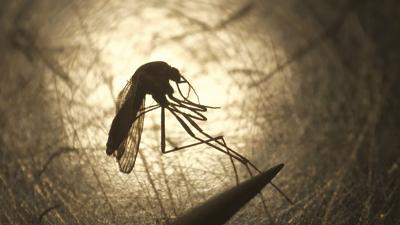
Scott Leibsle, Idaho state veterinarian, said it’s important to know “that West Nile Virus is spread exclusively by mosquitoes. It’s not spread from horse to horse and once they get it they can’t give it to a person or another animal. Humans can get West Nile virus and horses can get West Nile virus, but both get it from mosquitoes. They can’t give it to each other. The mosquito is the vector.”
The most common signs of West Nile virus in horses are fever and weakness, usually in the hindquarters that sometimes is characterized by a widened stance, stumbling, leaning to one side and toe dragging. Mental conditions such as fearfulness, lip-smacking, chewing movements and fine muscle tremors may be noticed. Paralysis and inability to stand may follow in extreme cases of West Nile virus infection.
The current cases are showing up later in the summer than usual because of the hot, dry weather that has delayed the hatching of mosquito eggs.
“Normally we would see mosquitoes earlier in the summer and would see West Nile virus cases in the middle of summer rather than August,” Leibsle said.
The spread of the disease could be a concern to people in north-central Idaho because of the Lewiston Roundup, scheduled for Sept. 8-11, when horses from out of the area will be traveling to Lewiston.
Leibsle said that people who worry about that should be taking steps to eliminate mosquitoes and perhaps consulting with mosquito abatement districts.
Physical precautions include using fans and repellents to keep mosquitoes away from equines. Horse owners also should remove standing water on or near their property whenever possible.
“If your horses are traveling, we recommend all horse owners should consult with their vet about developing a vaccination and wellness plan and getting a West Nile virus vaccine,” Leibsle said. “We recommend (the West Nile virus vaccine) to be one of the core vaccines every spring for horses. We want to have the protection on board before mosquitoes hatch.”
Leibsle added that 98 percent of the horses that have been reported sickened by the disease so far this year have been unvaccinated or under-vaccinated.
Leslie Tengelsen, a state public health veterinarian with the Idaho Department of Health and Welfare, said there is no vaccine against the virus for humans and although most West Nile virus infections in people are mild, some people can become quite ill. People can avoid mosquito bites by taking precautions, including using insect repellent; wearing long-sleeved shirts and long pants from dusk to dawn when mosquitoes are most active; and making sure house screens are in working order.
More information about the virus and a map of known affected counties is available from the Idaho Department of Health and Welfare’s website, westnile.idaho.gov.
{child_tagline}
{/child_tagline}

(0) comments
Welcome to the discussion.
Log In