






POCATELLO — Local residents do not need to fear sudden and coordinated Immigration and Customs Enforcement operations — particularly in places where people should expect to feel safe like churches or schools.
That assurance and more responses to questions immigrant advocates have regarding ICE involvement in the local community were included in a Wednesday Pocatello police news release.
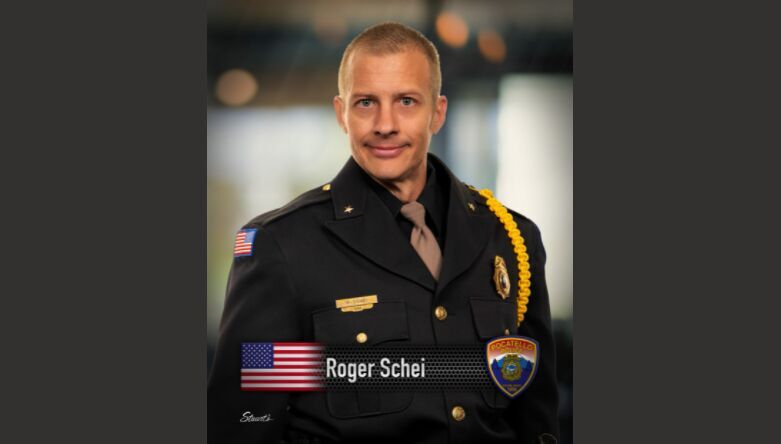
Roger Schei
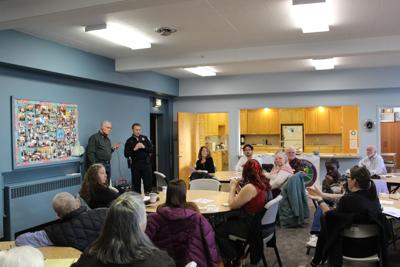
The release follows two meetings between Police Chief Roger Schei and members of local immigrant advocacy organization Bridges Idaho. The first meeting was held in February after rumors swirled that ICE was conducting operations in the Pocatello area.
Another meeting was held last month — spurred by mounting concerns following an FBI and ICE raid at a horse racing facility near Boise.
Schei described both meetings as “open and productive discussions,” telling the Idaho State Journal he was appreciative of the opportunity to put local residents at ease about ICE’s involvement in the community.
According to ICE’s responses included in the news release, arrests at schools and churches are not occurring in the area and are generally avoided unless there is a public safety threat.
Pocatello police said that if ICE comes to a school, agents will contact the department prior to arrival, adding that if a parent is taken into custody, law enforcement will make every effort to contact the child outside of school in a discreet manner.
“While ICE is not subject to previous restrictions on immigration operations at sensitive locations, to include schools, churches and courthouses, ICE does not indiscriminately take enforcement actions at these locations,” the news release states.

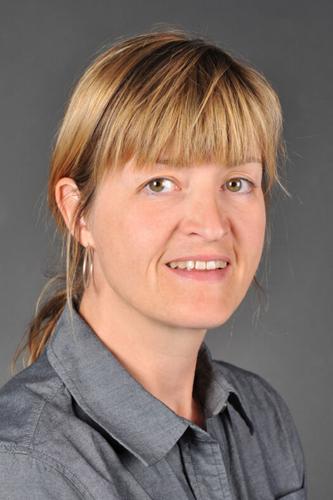
Gesine Hearn
The assurances come as anxiety ripples through Southeast Idaho’s immigrant communities, international students and even Catholic churches, according to Gesine Hearn, president of Bridges Idaho and a sociology professor at Idaho State University.
She said residents, despite having legal documentation, are reporting they’re afraid not only to visit relatives in their home countries but also to leave their homes in local communities.
“I just talked to a (Pocatello resident) who said her daughter is married to a Hispanic man, and they don’t dare to leave their house much anymore,” Hearn said. “Most people have papers, are documented and have legal papers, but they’re all super nervous.”
Hearn said ICE crackdowns across the country have sparked worry among local international students who are choosing to stay in the country rather than risk traveling home to see their families.
“Most of them are staying put, which is also not good for their mental state because they’re missing their families,” Hearn said. “It’s a lot of pressure and a lot of stress on them, in addition to just the stress of getting an education.”
As part of a nationwide issue affecting Catholic parishes, two priests with the Holy Spirit Catholic Community could be deported next year if they don’t get their R-1 visas, or green cards, renewed amid a backlog.
Pocatello police included information in the news release that clarifies the department’s role in immigration enforcement.
Pocatello police do not ask about immigration status when handling calls for service and interacting with the public, adding that a person cannot be criminally charged for not having identification, the news release said.
However, if someone has been previously removed from the country and has returned, a flag appears in the National Crime Information Center, and if officers take them into custody for criminal charges, police notify ICE, according to the news release.
“If ICE is available, they will respond. If ICE is not available and we do not have criminal charges, the individual will be released,” the release states.
The department also addressed rumors about local law enforcement agencies becoming deputized as ICE agents.
“The Pocatello Police Department does not have the resources, manpower or training to do that,” the release states. “We will continue to assist ICE as we would any other law enforcement agency.”
Both Bannock County Sheriff Tony Manu and Chubbuck Police Chief Nick Sasser echoed the same sentiment.
“I haven’t had any communication with ICE as it pertains to immigration enforcement,” Sasser said.
Manu said the sheriff’s office will also assist ICE as it would any other agency but nobody in the department is becoming deputized.
During his meeting with advocates at the Marshall Public Library last month, Schei told Bridges that police would respond if ICE agents engage in illegal activities, Hearn said.
“Of course, he sees his role here as the chief of police in our community and their mission to protect our local community, even against ICE if they were to come in and do things that are not right,” Hearn said.
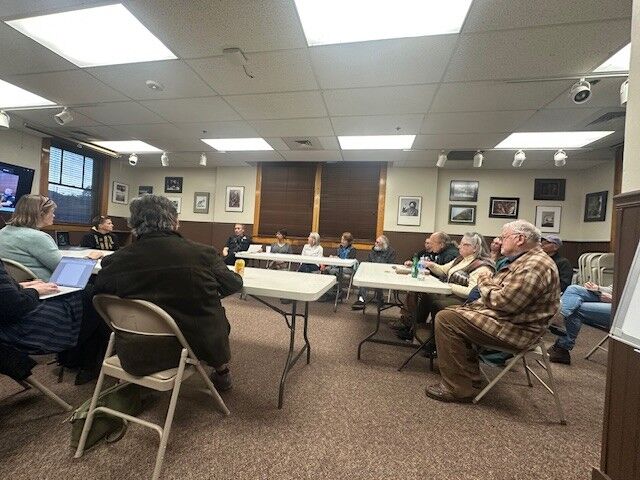
Pocatello Police Chief Roger Schei meets with Bridges Idaho representatives at the Marshal Public Library in October.
The release includes responses to questions from both the February and October meetings, with answers provided directly by ICE officials.
The October meeting at the library drew about 20 people, with additional participants joining via Zoom. The meeting was prompted in part by an incident in Wilder last month where federal agents raided a Canyon County horse racing facility as part of an investigation into an alleged illegal gambling operation. ICE allegedly detained many people during that operation.
The news release included a question in which community members asked whether ICE targets non-white individuals specifically. ICE responded, saying its primary focus is on “criminals, public safety threats, and re-offenders who are illegally in the country,” adding that “skin color has nothing to do with it.”
Other questions addressed ICE agents’ identification requirements and whether recording their activities constitutes interference.
ICE confirmed that officers wear badges and carry credentials with their names and organization, identifying themselves as immigration officers when placing someone under arrest or as soon as practical and safe to do so.
On recording interactions, ICE deferred to the Department of Justice regarding “the legalities of attempts to interfere with federal law enforcement efforts.”
On search warrants, ICE confirmed agents will obtain a warrant and identify themselves prior to entering private residences.
Despite no reported ICE activity in Pocatello or surrounding areas, Bridges Idaho is preparing the community.
“We are nervous that this might happen, especially because of our farming communities out here,” Hearn said. “We’re trying to be proactive, without reacting to anything that has actually happened.”

The organization is distributing ”Know Your Rights” cards and family preparedness plans. Bridges also created a flyer about documenting ICE activity and has established a hotline, 208-221-2343, for people to report what they observe.
“We want to educate community members about what to do if you witness anything and it is clearly ICE activity,” Hearn said. “Make sure you document that. Get the names of the people that are detained. Ask officers where they’re being taken and who they are.”
Hearn noted interactions should be conducted “in a very calm and collected way” and that if there is any violence, injury or unusual activity, community members should immediately call police and emergency medical services.
Hearn, an immigrant herself, joined Bridges in 2024 and became its president this year, adding that her involvement is not affiliated with her position at ISU.
According to its website, Bridges Idaho is made up of volunteers in Pocatello who connect with the U.S. Committee for Refugees and Immigrants field office in Twin Falls, expanding services for people from Ukraine, Afghanistan and other countries relocating to the area.
Schei expressed appreciation for the continued partnership with Bridges and said he hopes the information release helps committee members and community participants “feel more informed and secure moving forward.”

(0) comments
Welcome to the discussion.
Log In