


POCATELLO — Grant funds from the Patient-Centered Outcomes Research Institute will provide Idaho State University with the opportunity to reach an at-risk population in Idaho with messages aimed at preventing the development of diabetes.
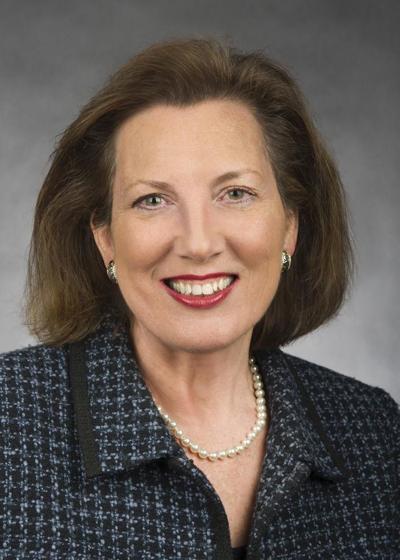
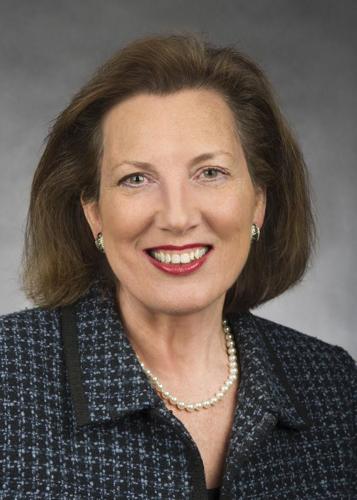
Mary Nies, director of nursing research and professor for the ISU College of Nursing, was awarded a PCORI Engagement Award for two years, in the amount of $250,000. PCORI is an institution that funds studies aimed at discovering new knowledge, so health care workers can make better decisions for their patients. Nies has conducted previous research with health promotions centered around Hispanic and Latino populations in Idaho and Michigan. Her experience studying the health care needs of this group was a deciding factor in receiving the current grant funds from PCORI.
With this grant, Nies said she will be able to gather information on rural Latinos’ knowledge, preferences, social media use, solutions and desired outcomes associated with pre-diabetes. She can use the information obtained to develop a statewide social media campaign focused on pre-diabetes awareness for Latinos.
This research and the subsequent Idaho-focused social media campaign is designed to create awareness for Latinos on the risks and warning sign for diabetes, in an effort to help prevent those who may have pre-diabetes from developing diabetes.
The project began in January, with Nies and her team of health care professionals and consultants who are assisting with both the research and social media campaign development portions. The team includes Nies, along with:
- Melody Weaver, ISU assistant nursing professor, co-principal investigator, co-project lead
- Tanna Woods, postdoctoral scholar
- Heidi Klippert, social campaign consultant
- Karen Stevens, social media consultant
Prediabetes is a major problem in the United States and all over the world.
“I am an advocate for health equity and social justice for vulnerable and underserved populations in the community,” Nies said.
Weaver is also concerned about health disparities among the Latino population in Idaho.
“Prediabetes and diabetes are conditions found more frequently in the Hispanic/Latino population than in non-Hispanics,” Weaver said. “In Idaho, diabetes is the fourth-leading cause of death in Hispanic/Latino residents. Prediabetes is often undetected, so by increasing awareness of the condition, it is possible with lifestyle changes alone this process can be reversed. Our project aims to create a statewide social media campaign developed for the Hispanic/Latino community in partnership with members of rural Hispanic/Latino communities.”
Because of the popularity and widespread use of social media, along with targeting options with several social media platforms, the team believes it will be the best way for them to get the information to the desired population. Prediabetes has no symptoms, so people are unaware if they are at risk or not. Thirty-five percent of adults in Idaho are estimated to have pre-diabetes, with Latinos being the most high-risk group. The researchers believe their research and social media campaign will help bring awareness to the issue and are hopeful that the project will lead to future research, and an increase in preventative measures among the Latino population.
For more information on this grant, visit www.pcori.org.

(0) comments
Welcome to the discussion.
Log In