

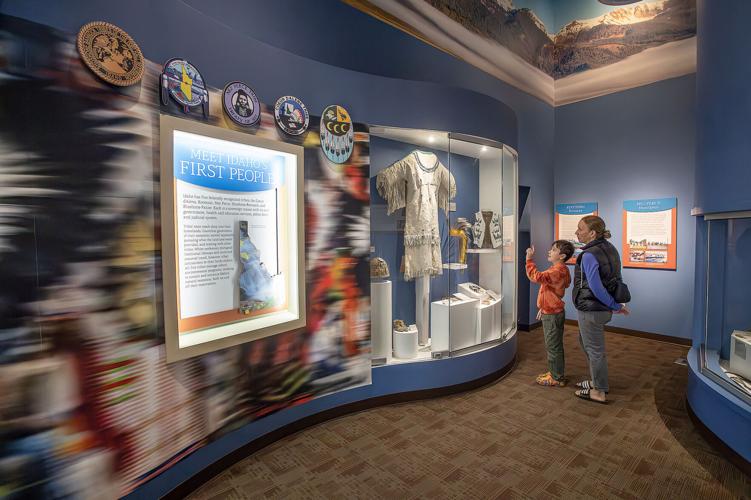
BOISE — The Idaho State Museum’s Origins gallery provides visitors with an authentic and broad understanding of the state’s first peoples by honoring their stories since its opening almost eight years ago.
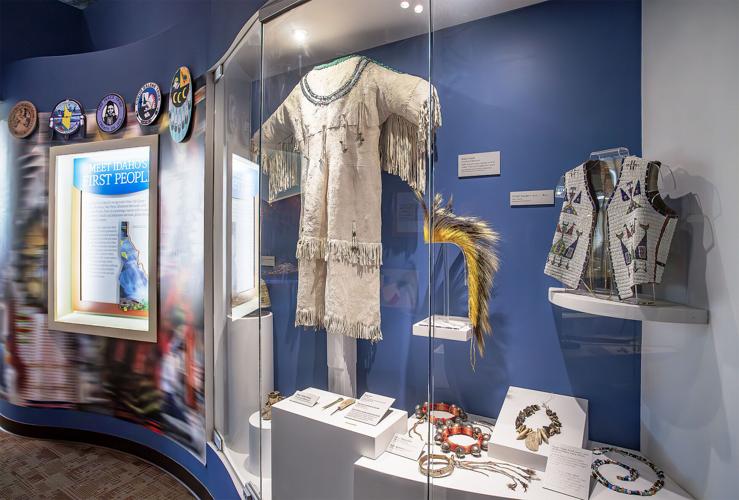
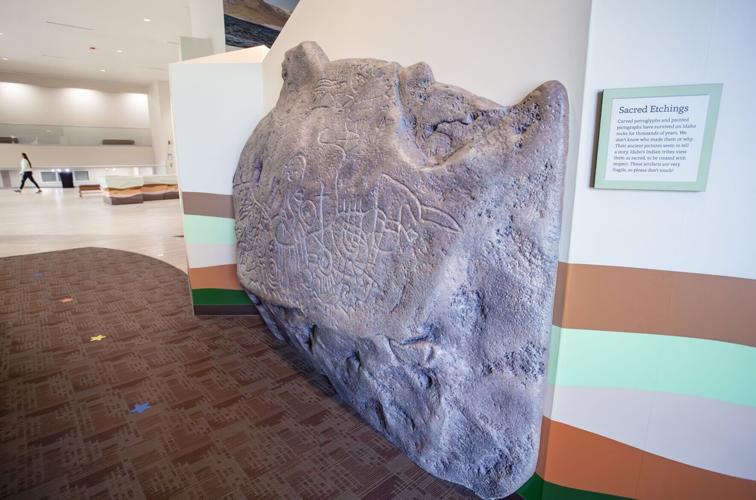
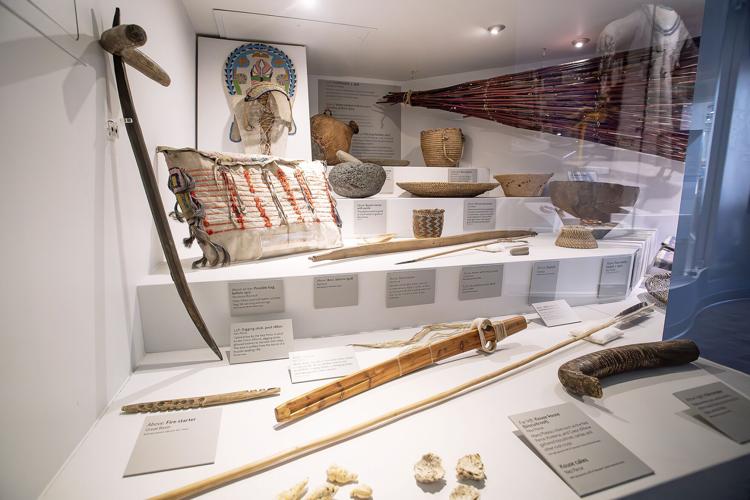
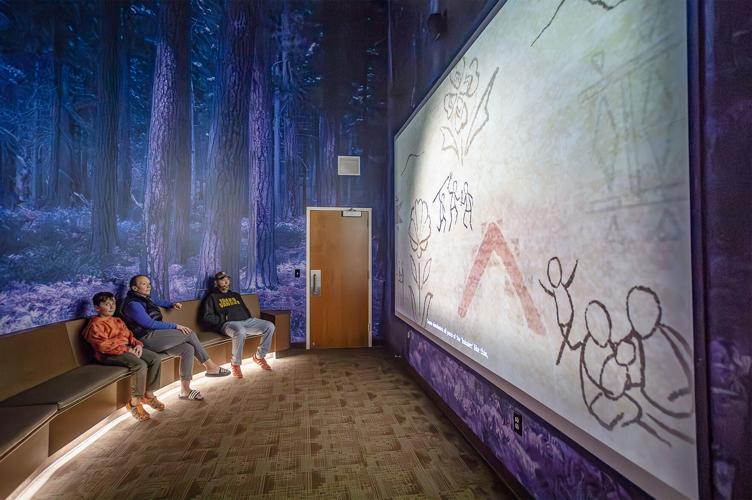
Through a building and trusting relationship between the Idaho State Historical Society and Idaho’s five federally recognized tribes, the permanent exhibit gives an introduction to each tribe with a tribal theater that reveals tribal Origin Stories, a large artifact display area — including a petroglyph, and the chance to create a parfleche.
Origin Stories often describe the relationship between humans and nature, or explain the origin of earth and life, and are traditionally passed orally from generation to generation, with some being sacred not to be shared with people outside of a tribe. Some Origin Stories inside the museum were shortened without changing their underlying meaning.
The rest of the gallery identifies tribal roles in contemporary land stewardship to introduce Idaho’s diverse landscapes throughout the state, according to the museum’s website.
The museum sought a meaningful approach in the planning process from 2014 to 2018 to accurately and authentically include the stories of Native American tribes through collaboration by traveling to meet with tribal representatives in their respective homelands.
Staff provided space for open discussions regarding topics that resonated with each tribe. The Origin Theatre plays five, five-minute videos of each of these stories that were selected and narrated by tribal members, each told in their native language by tribal elders and in English.
“Those belief stories, those Origin Stories that are told in there really give a better understanding of the connection and the spiritual nature of that sacred charge that a lot of the people we were collaborating with really felt passionately about exploring,” Idaho State Museum Director and Administrator, Sara Phillips told the Idaho Press.
The five tribes include the Coeur d’Alene Schitsu’umsh, Shoshone-Paiute Newe-Numa, Shoshone-Bannock Wihinaite-Bannaite, Nez Perce Nimi’ipuu and the Kootenai Ktunaxa.
"At its core it's really important to remember that the land that is now America has not always been America.. it's critical to incorporate native stories and native histories because that is such an important factor in not just the tribal history and their legacy, but how we have understood and shaped the land since then," Phillips said.
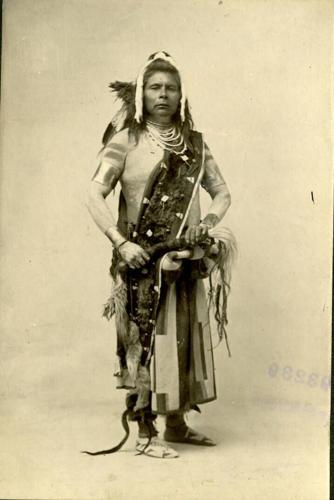
Informative signs with photos are displayed of each tribe along the gallery with not only their required federal recognized names — but also their original tribal names, which were requested to be represented in the gallery by tribal members, adding to the importance of preserving and promoting native languages to provide deeper connections through language.
Phillips recommends visitors sit and enjoy the Origins Stories in the Origins Theatre before exploring the rest of the Origins gallery to spark moments of reflection and help contextualize what else is offered throughout the rest of the gallery and in the museum.
The stories about Idaho’s tribes and Native American individuals are a key part of museum’s focus on how Idaho’s “land shaped the people, and the people shaped the land” which helps lead into the state’s natural history.
“These stories also do such a great job of providing that foundation for initial understanding of not just the charge to keep the land, but how the land may have been formed, and how people have occupied the land since time immemorial,” Nicole Inghilterra, the museum’s curator of collections and exhibitions said.
Even for topics that may seem very distinct to Idaho, like mining, Inghilterra said, tribal history shows a very valid, vibrant, and complicated intersection of that, as well as their relationships amongst different tribes and the influence it had on treaty boundaries.
She noted that as visitors go through the museum, they will see how tribal history is even seen in military history, as Native Americans make up the largest ethnic group distribution per capita in the military. Tribal history can also be seen through some of the state's favorite topics like rodeo culture and sheep herding.
"That portrays such a complex and rich history that is so deserving of exploration has shaped all facets truly, of our understanding of American history," Inghilterra said.
All five tribal representatives came together for a tribal summit in 2016 for a tribal summit to voice their opinions, concerns, and support for the content that was going to represent their stories.
The museum’s continuous relationship and trust with tribes across the state, which Phillips said is a “really special privilege” is not taken for granted to have and share with people from “all over the world.” Staff interviewing tribal members encouraged open conversations and criticism to ensure stories were being told accurately.
“It's an ongoing dialog and ongoing partnership — it is not a transactional kind of relationship that we have. Those relationships are respectful and fostered, and we're fortunate because we've got an ongoing relationship that we're able to get items on loan from different tribal members upstairs for different subjects, and we try to make that as reciprocal as possible,” Phillips said.
Sharing those origin stories inside a museum that sits on the homelands of the Bannock-Shoshone people adds a greater significance to accurate storytelling of the tribe’s ancestors, according to Alonzo Coby, planning director of the Shoshone-Bannock Tribe.
He said when people do not directly speak to tribal members when writing about the history of Idaho’s native people, stories are told differently in museums than what is shared by tribal elders.
“If you want true and accurate information about a tribe, just go visit our people — we’re friendly,” Coby said.
The museum’ commitment to fostering those relationships is ongoing; the Idaho State Historical Society’s Executive Director of nearly 20 years, Janet Gallimore told the Idaho Press, and stated it is a multilayer process through storytelling, programming, and even promoting tribal businesses through its gift shop which all goes back to supporting tribal communities. Gallimore believes this comes down to “doing the right thing in the right way.”
“They felt proud to be Idahoans and that they understood and respected our tribal stories at a much higher level. So I think it's all about heart, and it's all about learning and giving people information to learn,” Gallimore said about visitors who toured the gallery after they shared how they wanted to learn more about Idaho’s tribal stories inside their state museum.
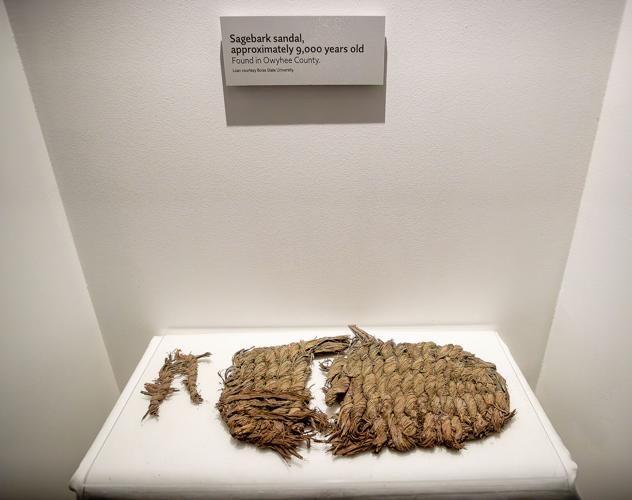
Included in the gallery include an approximately 9,000-year-old sage bark sandal that was found in Owhyee County, which to Inghilterra, bridges the intersection between facts and stories, emphasizing the importance of telling the Indigenous history
“The power of story intersecting with fact is really evident in the Origins Theater, and this object here, so much oral history is actually proven to be filled with verifiable facts that bear out with genetic and archeological data,” Inghilterra said.
Visitors can also expect to learn about petroglyphs, a form of rock art that includes ancestral images done through rock carving, and the scared meaning behind them to Native American individuals who view them as gifts from their ancestors, peaceful places of prayers, and how the desecration of rock art has been hurtful to all of their cultures.
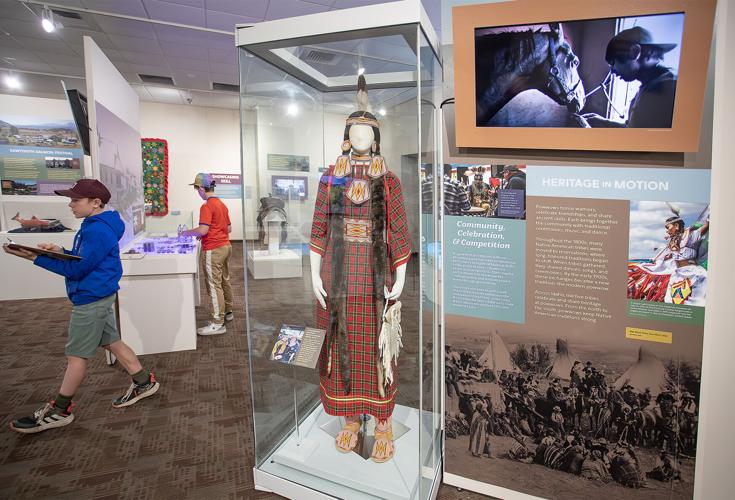
And while the history shown can date back 9,000 years ago, other artifacts are made contemporaneously indicating that Indigenous history is not just of the past, but of the present as well, Inghilterra said Tribal Members reminded Staff when creating the exhibit. Visitors are usually in awe of seeing pieces of history be connected overtime, she added.
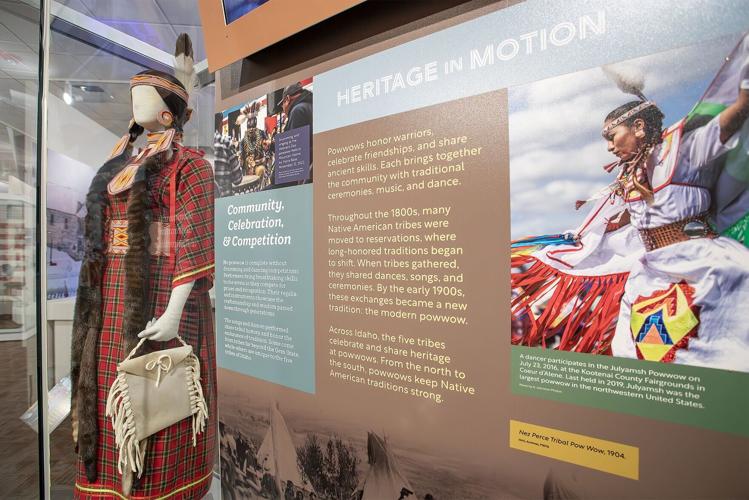
Some Tribal Members even placed some of the artifacts inside the museum up themselves, making that connection with their stories even more personal. This includes a Contemporary Shoshone-Bannock beaded regalia from 2023 that sits on the second floor inside the Syringa Gallery made by Zella Matsaw Tinno of the Shoshone-Bannock tribe, which she gave to her granddaughter, Aaliah Reyes as part of the museum's United We Celebrate exhibit. She spent around four hours carefully mounting the piece.
The goal of the exhibition is to spark a sense of curiosity and exploration amongst visitors to want to learn more and dig deeper about Idaho’s first peoples, which they can do by visiting the tribes’ cultural offices, museums and events. The Idaho State Archives also offers further information on artifacts included in the museum.

(0) comments
Welcome to the discussion.
Log In