

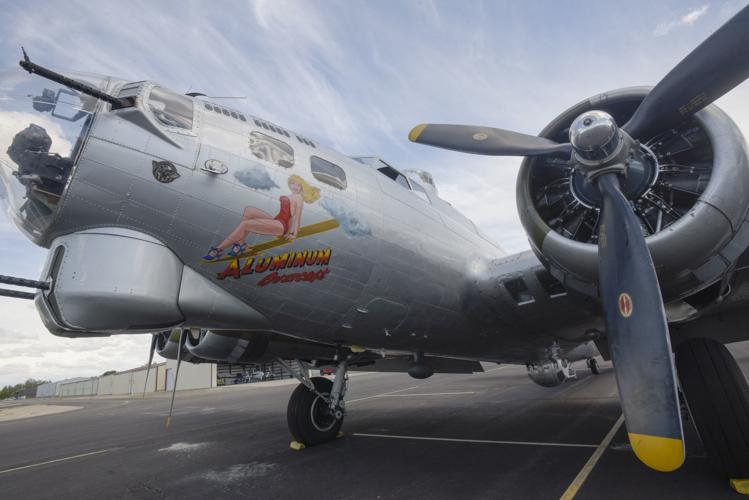
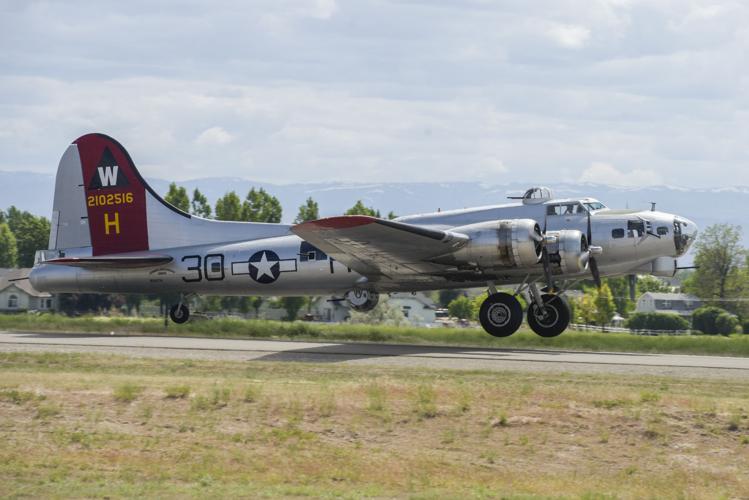

NAMPA — During World War II, hundreds, sometimes even thousands, of B-17 bomber planes took off on raids across western Europe, darkening the bluest of skies into an aluminum overcast.
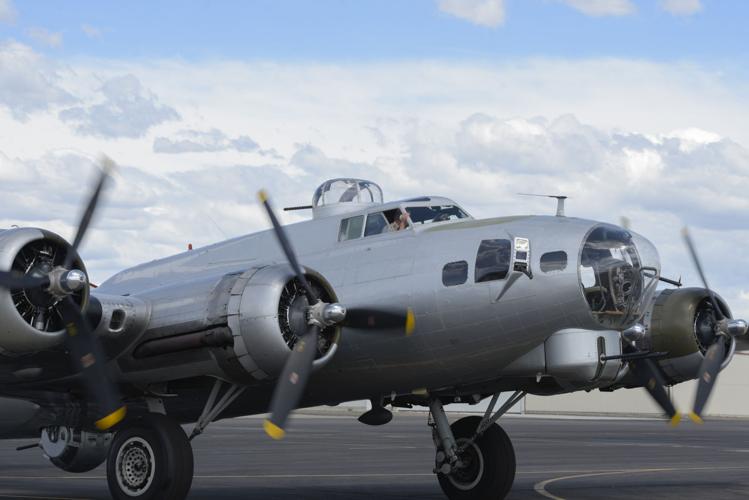
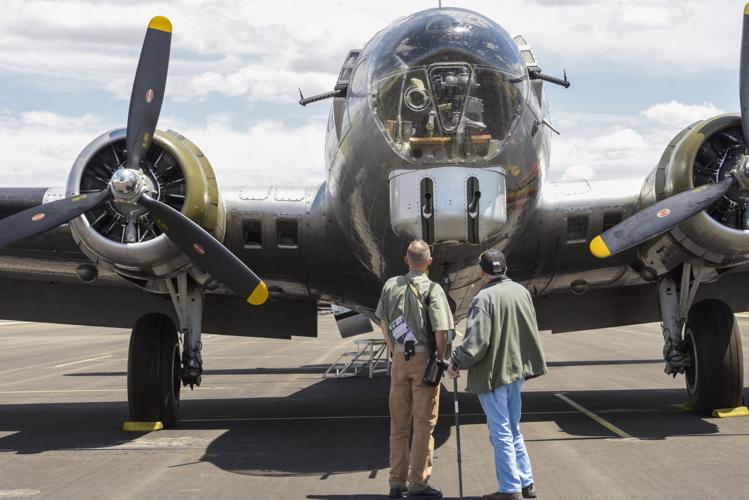
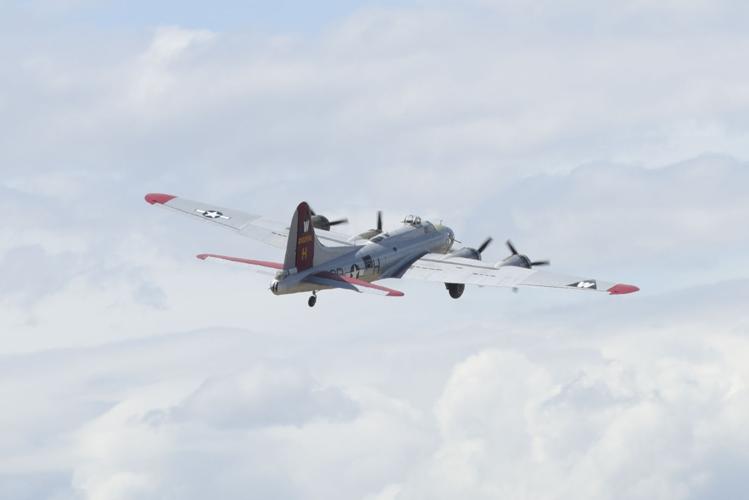
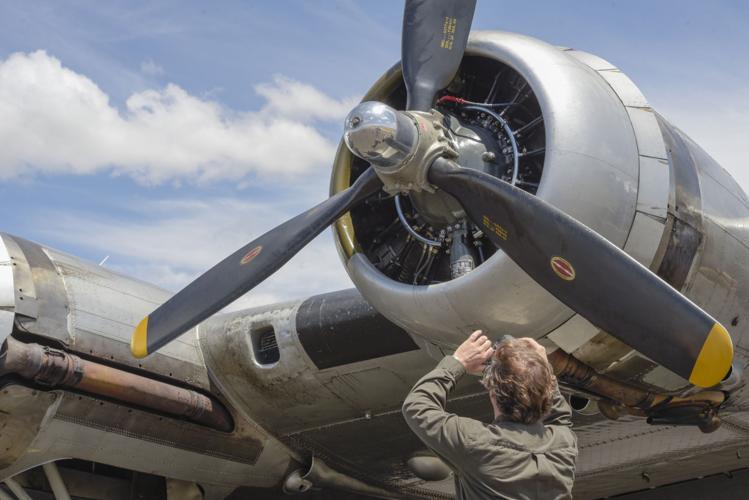
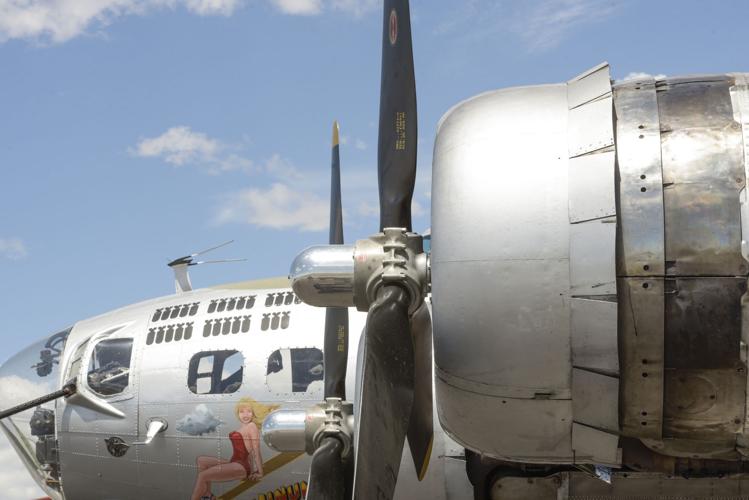
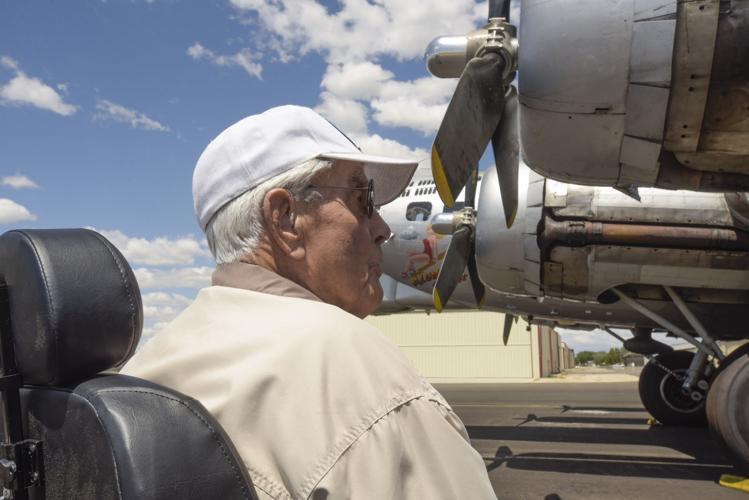
Now, more than 70 years after the war ended, a B-17 — appropriately named the “Aluminum Overcast” — is visiting Nampa to give locals a chance to take a flight back in time. The plane will be available for tours through Monday.
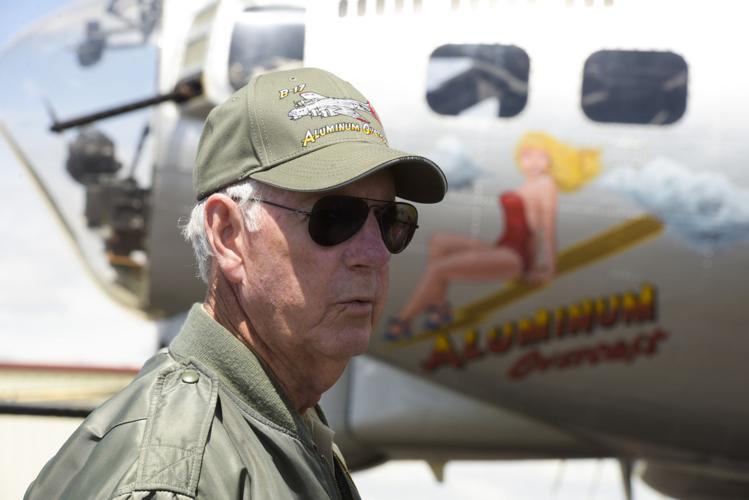
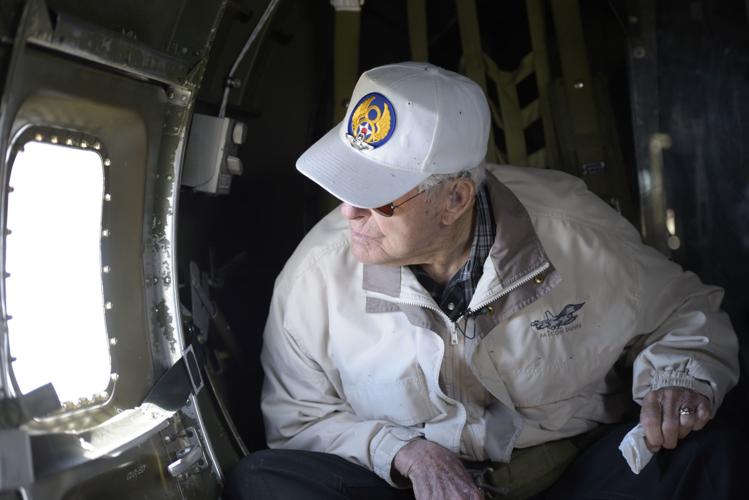
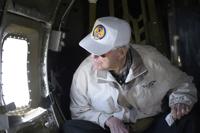
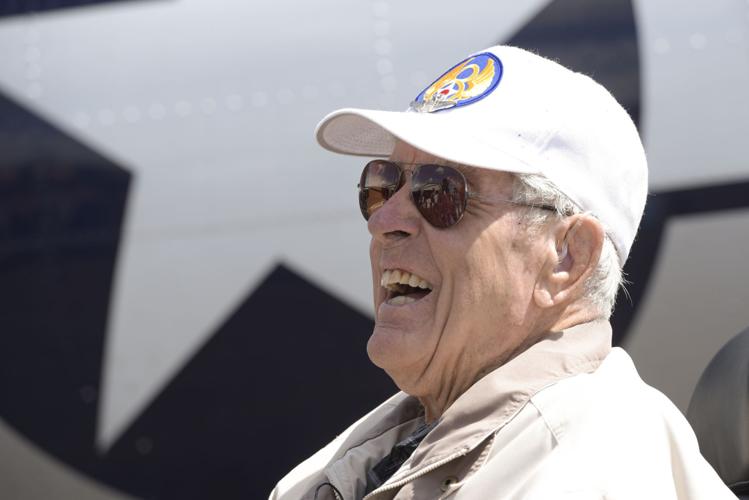
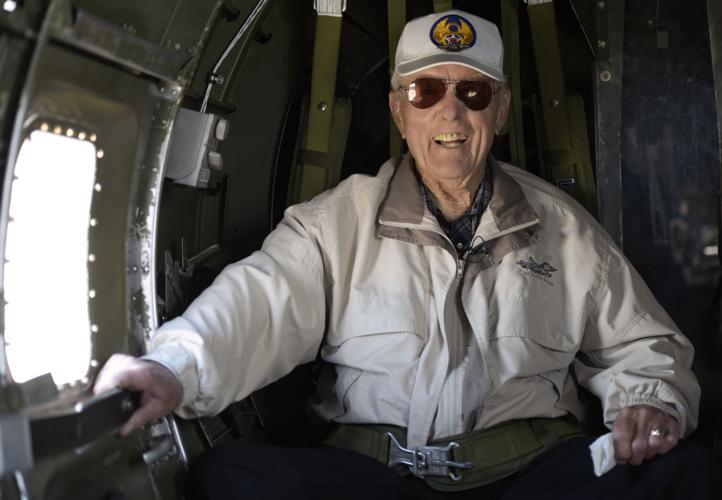
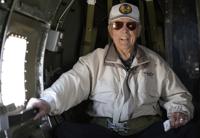
One Eagle resident and veteran flew Thursday, but it was not his first time on a B-17. Far from it.
Retired Air Force Col. William Coburn flew 30 missions in World War II in B-17s. On the mornings of his missions, he woke up at 3:30 a.m., ate his regular breakfast of powdered eggs and canned tomatoes at 4 a.m. and be in the air with his nine crew members by 5 a.m.
Missions typically lasted more than eight hours, and they usually lost one to four planes during each one, taking between 10 to 40 men with them. Coburn said he was fortunate to finish his nine months of service without a scratch.
Though his body showed no bumps or bruises, Coburn suffered psychological damage after he was sent back to the U.S. At the physical examination he received following his return, Coburn was diagnosed with combat fatigue and was sent to a hospital in Spokane under the care of a psychiatrist.
“I was having hellish nightmares,” Coburn said.
What Coburn saw during the war would give anyone nightmares. On a cold night during the winter of 1943, Coburn and his crew were flying with the temperature at 67 degrees below zero when an enemy plane shot a bullet through the nose of their B-17 and hit his bombardier in the chest.
“It took him two hours to die,” he said.
The inside of the plane was so cold, on one flight a gunman had to take off his glove to fix his firearm during a mission and during the time it took to do it, the man got frostbite so bad his hand had to be amputated after the mission.
While other war aircraft were faster or could carry more bombs than the B-17 could, what made the B-17 unique was its resilience. Made of the same sheet metal as most of the other planes at the time, somehow the crew members of B-17s would return safely more often than their fellow soldiers.
Crew Chief Jeff Martin said that during the war, one plane lost its pilot and bombardier at the front of the plane mid-flight, and yet the rest of the crew were able to land the plane safely back at their base.
The B-17 Aluminum Overcast never saw combat the way Coburn did. It came out of production in 1945, just after the victory. Off the line, it was bought for $750 by a man who wanted the plane for its 1,700 gallons of gasoline, said Mary Dominiak, who works on the B-17 tours.
From there, the plane was used for cargo, to map territories — even to bomb fire ants with poison across the southern U.S. Finally, a group of doctors purchased it then donated it to the Experimental Aircraft Association, requesting it be named the Aluminum Overcast in honor of the planes that flew during the war in devastating group raids. Since then, the Aluminum Overcast has toured in almost every state, and last year it went out of the country for the first time in a Canada tour.
The plane’s unique history has drawn veterans, history buffs and plane enthusiasts alike. People like Dominiak, who has toured with the plane for the past four years but has worked on it much longer.
“I have been addicted to this plane for a long time,” Dominiak said.
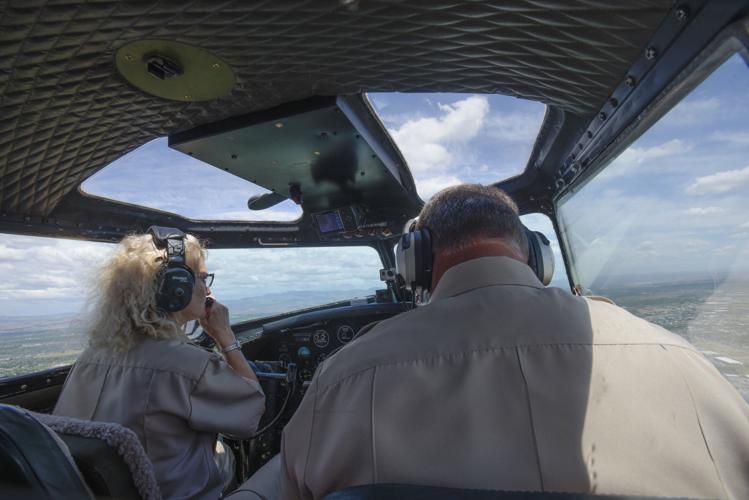
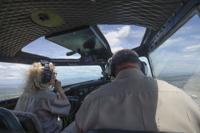
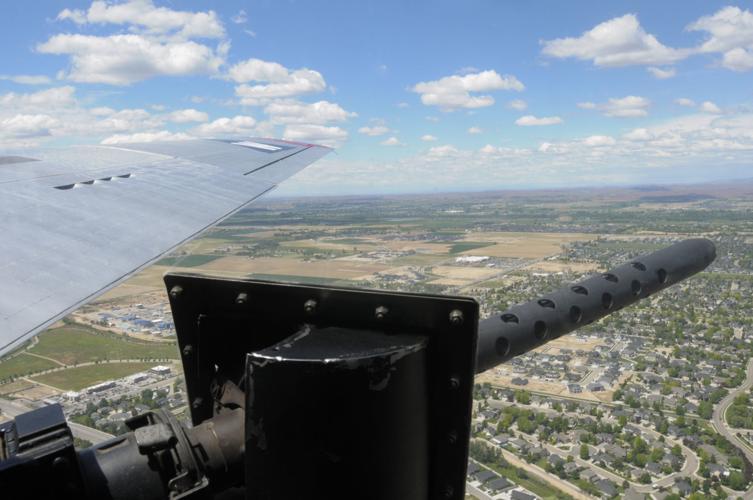
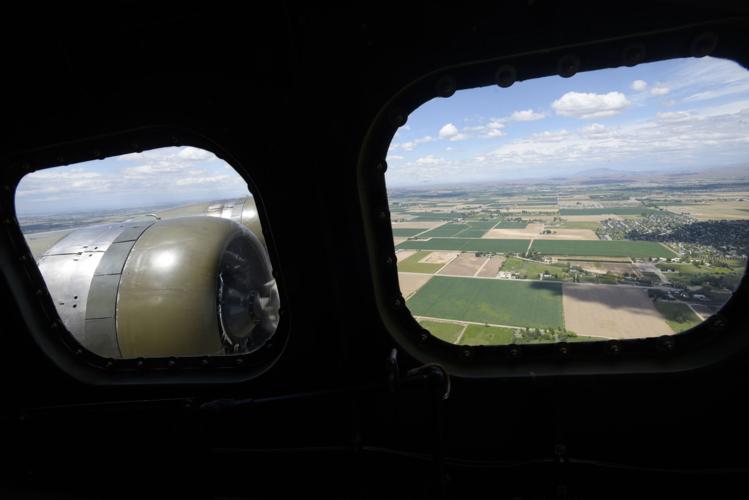
Passengers on flights of the B-17 will have the chance to fly back in time and imagine what it must have been like for World War II soldiers at the time. They will hear the roaring engine, so loud you can’t yell over it — a sound that grows louder and louder until the air explodes with sound.
They will smell the gasoline in the air the moment the engine revs up, and they will feel the vibrations of that engine shake underneath their feet and reverberate through the entire aircraft.
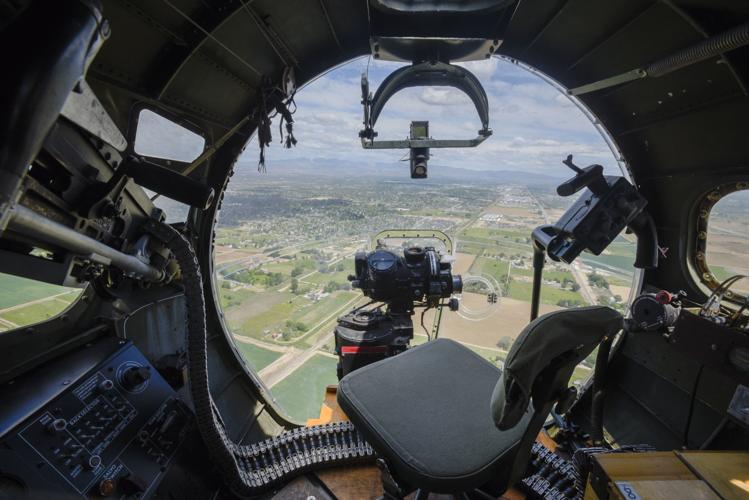
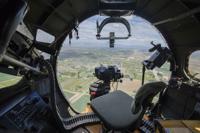
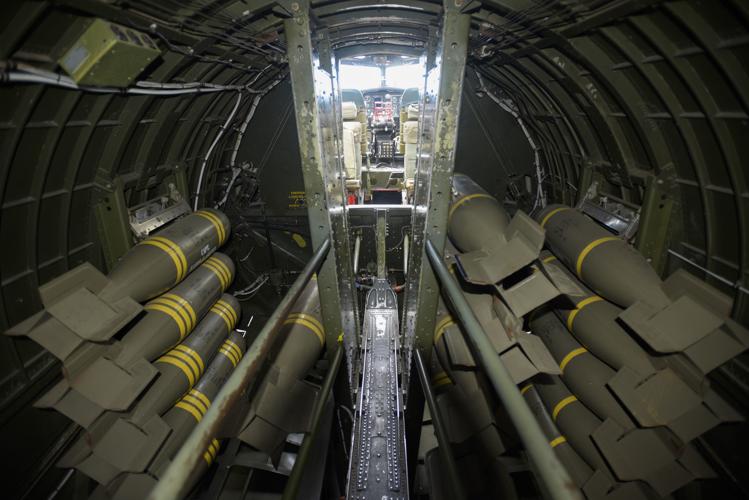
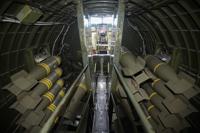
They will see the viewpoint of almost every position on the bomber, including the bombardier at the nose. From there, almost completely encased in glass, you forget about the noise of the engine. It’s like you’re flying through the air on your own — no plane in sight.
It’s almost enough for someone to feel like they have been transported back to the ‘40s.
But for Coburn, nothing can compare to the real thing.

(0) comments
Welcome to the discussion.
Log In