

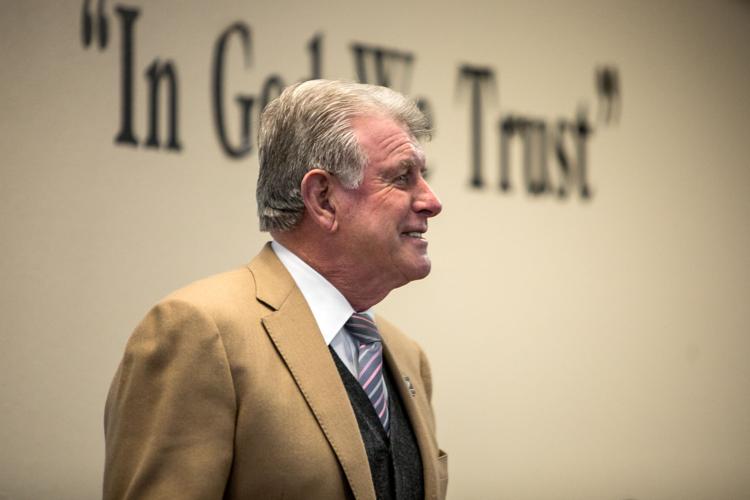

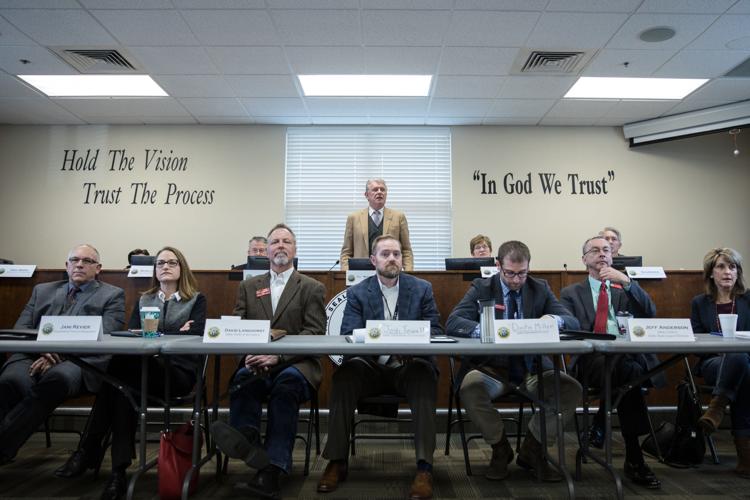
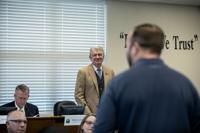
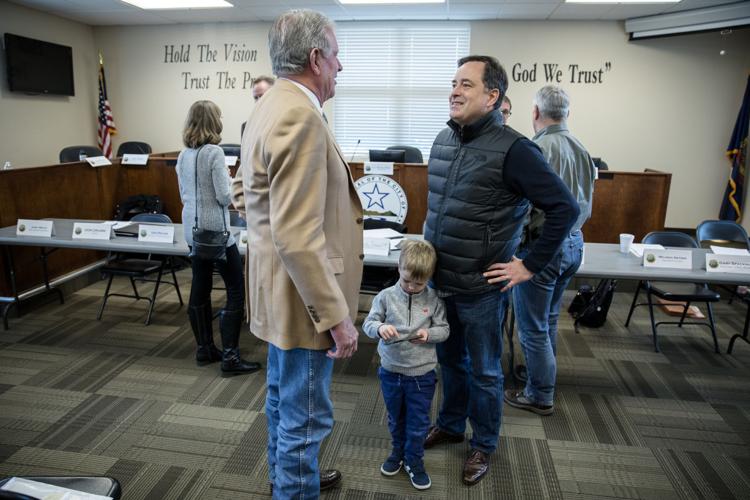



STAR — Idaho Gov. Butch Otter’s 108th and final Capital for a Day stopped in this town northwest of Boise on Thursday, where constituents of the outgoing governor’s hometown peppered him with toasts to his service and infrastructure questions alike.
The Capital for a Day program brings state officials and department heads to Idahoans outside the reaches of Boise for the chance to address local issues and concerns.
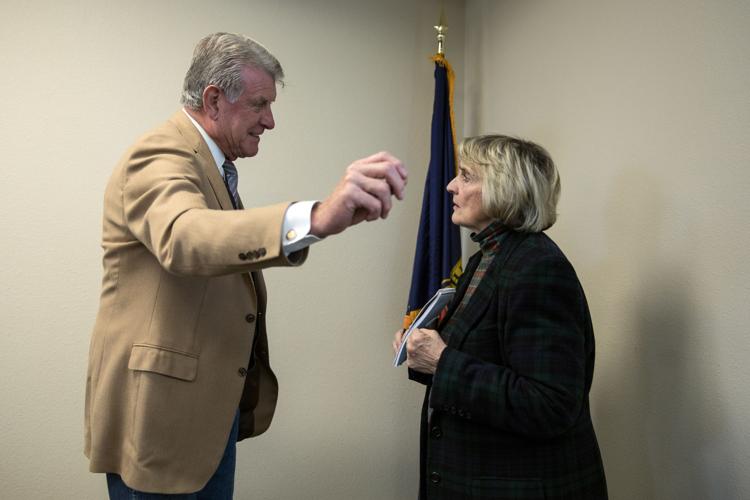
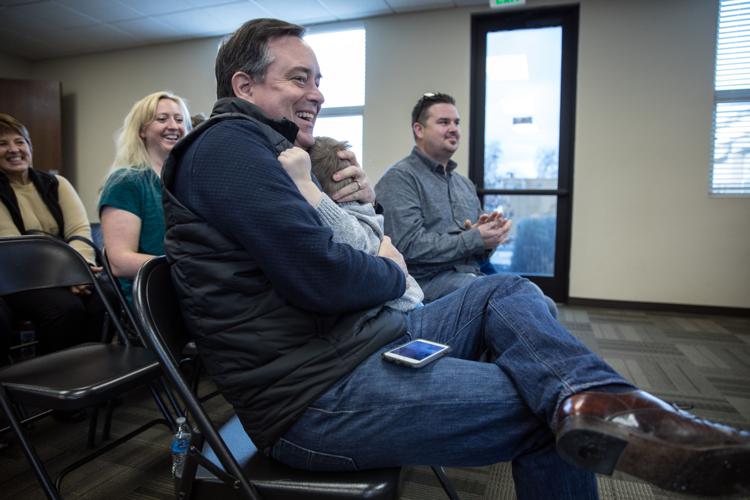
At 9 a.m. Thursday, Otter gave a sharp whistle to the room and shouted “Let’s go!” as officials and visitors ushered into their seats.
Otter, leaving office after three terms as governor, reflected on why he began Capital for a Day.
“The reason we have these is it gives myself and my cabinet members the chance to get out of the capital and hear issues facing towns in rural Idaho,” he said.
Lt. Gov. and Gov.-elect Brad Little sat next to Otter and reassured the crowd the tradition would continue.
“This is the part of our republic where we get out and listen to the people from the community, sincerely,” Little said. “This is a great program and it should be emulated all over the country, and it will be emulated going forward.”
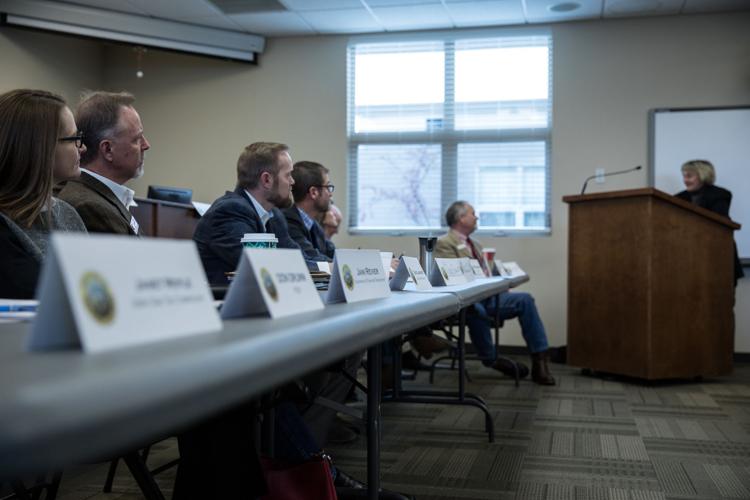
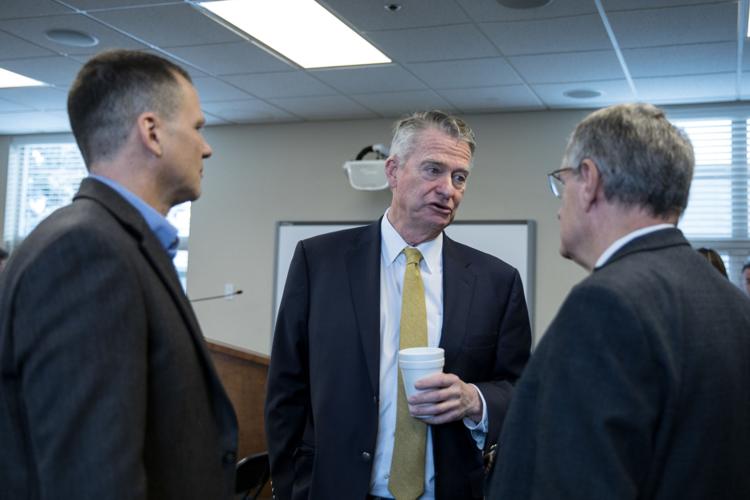
Nearly 20 officials and department heads gathered in the Star City Council chambers, first explaining their role, followed by memories of meeting Otter for the first time or working with him.
“I’d like to say how proud we are to have such a good governor,” said Star Mayor Chad Bell. “We are thrilled he chose to have his last event here.”
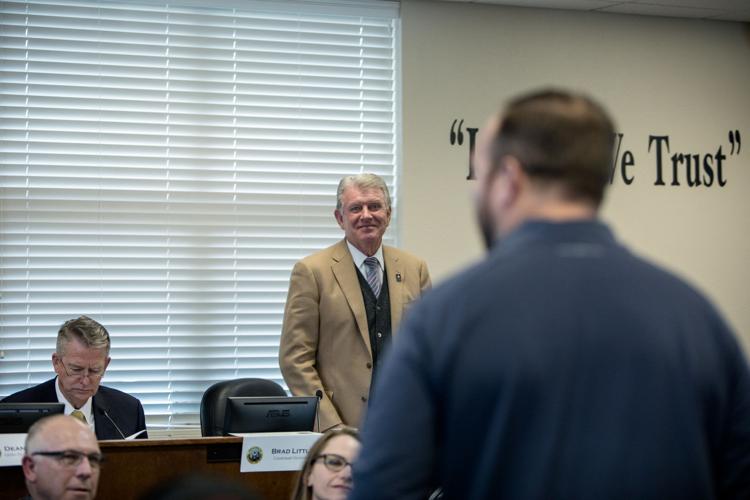
The remembrances were interspersed with local issues, calling back to the intent of the program. Concerns from those who took the stand highlighted the strain of rapid growth in the valley.
Star resident Lynn Davis told cabinet members the state is at risk of falling behind in road infrastructure compared with population growth.
“I hope officials realize the extent of the traffic,” she said. “I avoid Eagle Road like the plague.”
Transportation backlog is causing safety issues and loss of economic opportunities, Davis said.
Brian Ness, director of the Idaho Department of Transportation, reviewed projects across the valley and was quick to point out that maintenance is a priority.
“Over the next two years, half of our bridges will reach their design life of 50 to 60 years old,” Ness said.
Otter, too, addressed transportation issues with equal concern.
“There are many places in Idaho where we can increase our transferability of citizens,” he said. “One concern I have is some of the infrastructure and maintenance of what we do have. I hope the next administration is more successful at getting people to realize that when you defer maintenance, it’s no different than the deficit in Washington, D.C.”
Two residents, including Star City Council President Trevor Chadwick, asked cabinet members about the extension of Highway 16 leading to Interstate 84. Ness said the environmental study is complete, and the engineering study is almost complete. The board has approved $90 million to purchase property to continue construction.
Star City Councilman Michael Keyes asked a familiar question that has been floating through meetings in both Ada and Canyon counties: Why can’t impact fees be charged to fund construction of schools? Without it, he said, existing citizens are footing the bill for new residents moving in.
“It’s an instance when growth isn’t paying for growth,” Keyes said.
Otter had no direct answer.
Attendees also raised issues of school safety, the need for more resources for veterans and the high fuel rates — but all expressed gratitude for the work that has been done in the state.
“I am proud of where we are as a state, and a lot of folks up here are part of that,” Otter said. “You can’t do this by yourself, and I won’t pretend to take credit for it myself.”


(0) comments
Welcome to the discussion.
Log In