



Uncertainty over tourism season looms, but leaders are hopeful
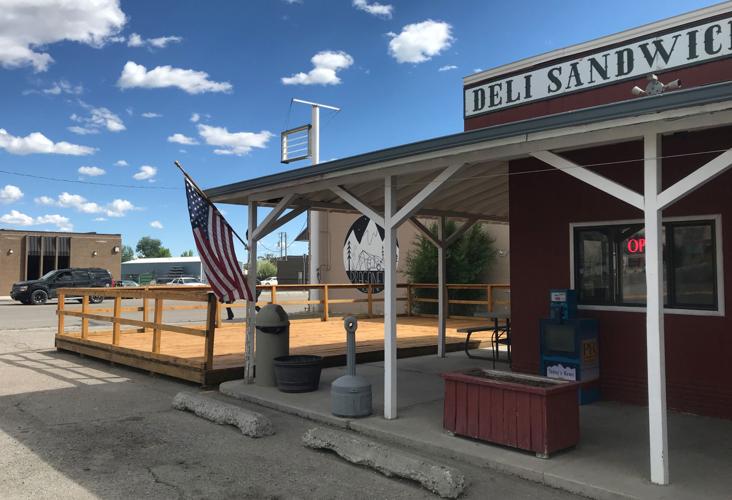
ARCO — Tony Parsons spent Wednesday applying a coat of wood stain to his restaurant’s outdoor patio. He said it was long overdue for a face-lift.
He’s gearing up for summer, a buzzing time for the city of Arco when tourists usually visit Craters of the Moon National Monument and Preserve, or Arco’s staple “Atomic Days” festival. Some travelers even stop by as they’re driving east toward Yellowstone National Park in Wyoming.
Parsons just re-opened the Deli Sandwich Shop in January during a typical lull for his business and Arco’s tourism industry. As his sales plummeted during Idaho’s shutdown, he kept busy by finding new seating booths, sprucing up the place and expanding his menu with new items like calzones, pot pies and maybe even lattes with the espresso machine he recently bought.
“Every day I’m doing something different,” he said.
He isn’t sure what the summer will hold. Arco doesn’t have a confirmed case of COVID-19, the disease caused by the novel coronavirus. But even here the pandemic means you can only plan day by day.
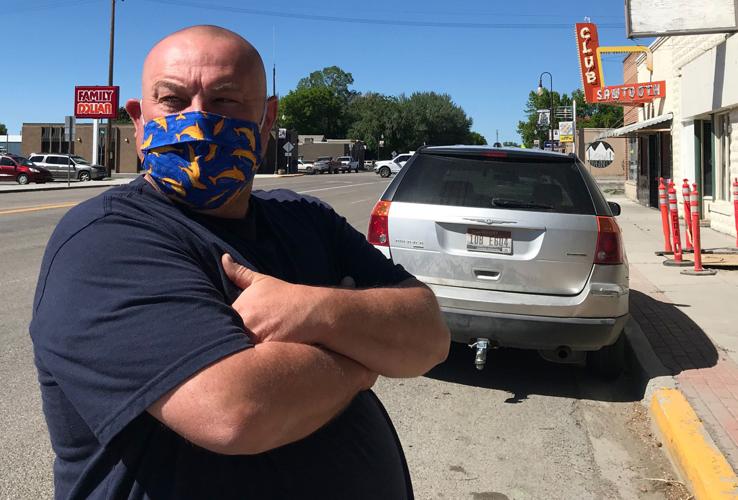
Meanwhile, Arco community leaders are welcoming tourists for the summer — while also urging residents, businesses and tourists to be cautious amid Idaho’s reopening.
“We’re open for business,” said Butte County Economic Development Director Monica Hampton.
She knows some people will still be anxious about traveling, but she points to the recreation sites in the area, which she thinks will keep tourists mostly outdoors and — hopefully — away from areas where the virus could spread rapidly. Being cooped up these past few months makes nature a draw for folks, she said.
“We don’t really know what to expect, but we’re hopeful,” Hampton said.
Arco is the county seat of rural Butte County, where Census estimates say about 2,600 residents live in the 2,235-square-mile area — just 1.3 people per square mile. Butte is one of nine sparsely populated Idaho counties that, as of Friday, haven’t had a single confirmed case of COVID-19, according to the state’s coronavirus tracker.
Though Butte hasn’t had a case yet, the residents still feel the effects of the pandemic. People visited the hospital clinic less often. They couldn’t go into small retailers or dine in at restaurants. Some walk through town with masks on. And the library is only letting one person or one group of people in at a time.
Residents say there are many reasons Butte hasn’t had a confirmed case.
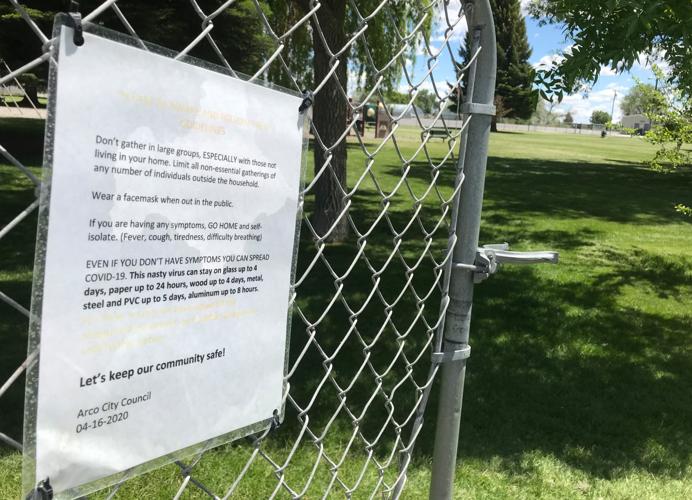
Butte’s population is small and spread out, making social distancing innate. The community helped others stay cautious — the city hands out free face masks, and volunteers partnered with the Butte County Sheriff’s Office to deliver groceries to older, more at-risk residents. The town wasn’t in its tourism season during late spring. There also was an easy warning just west of here in Blaine County, a virulent hotspot where the rate of infection was, at one point, higher than it was in New York City.
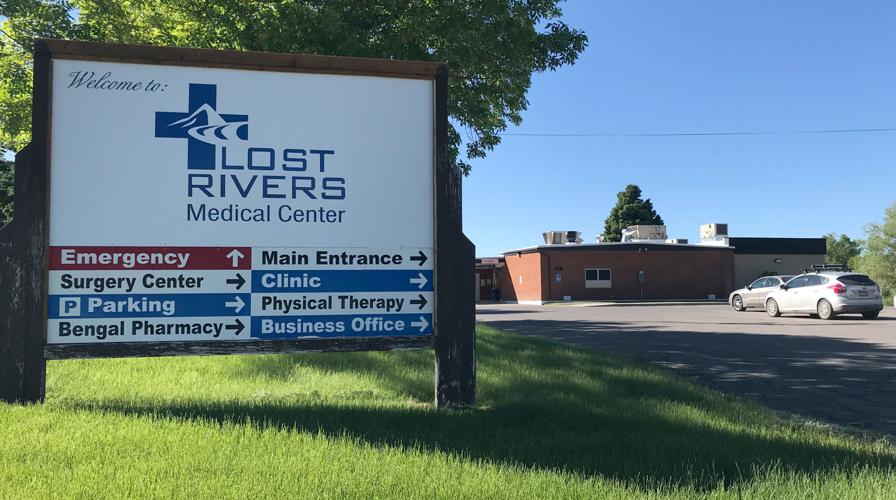
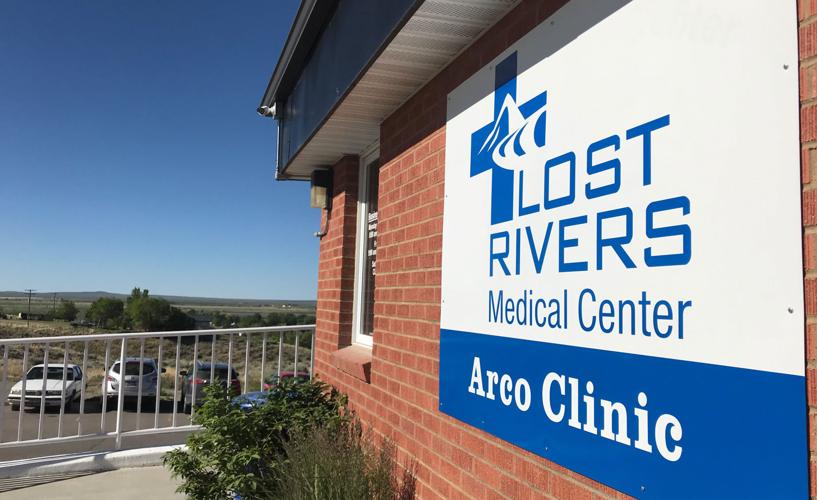
Some health professionals for Lost Rivers Medical Center, Arco’s hospital, said many factors mitigated spread in Butte, but they said a case could’ve slipped through the cracks.
Arco residents are generally safe, said Dr. Mark Bolton, who directs the clinic at Lost Rivers. Still, he bets “we probably missed a few cases” of COVID-19 in which people had mild symptoms and didn’t report them or seek treatment.
Brad Huerta, CEO of the hospital, said it’d be naive to think Butte won’t eventually have a confirmed case, or that a second wave of the coronavirus won’t hit the state.
“I don’t think it’s a matter of whether or not we’re gonna have a second wave. I think that’s inevitable,” Huerta said. What matters, he said, is “how prepared we are to have a second wave.”
He also said that Butte’s small population, alone, is too simple of an explanation for why the area hasn’t had a confirmed case yet. Instead, he said the community’s efforts, including those at the hospital, helped provide resources for people to be safe and manage their risk.
Lost Rivers Medical Center, like other hospitals, stopped providing elective, or non-emergent surgeries during the pandemic to reduce the number of people who visited, which was in line with federal health guidelines. The move, along with what medical professionals see as hesitance from people to visit hospitals during the pandemic, resulted in vastly reduced visits for Lost Rivers and other Idaho hospitals.
The Idaho Hospital Association says limited data in April shows outpatient clinical services and surgeries all dropped by nearly 50%. Lost Rivers has seen that trend, too.
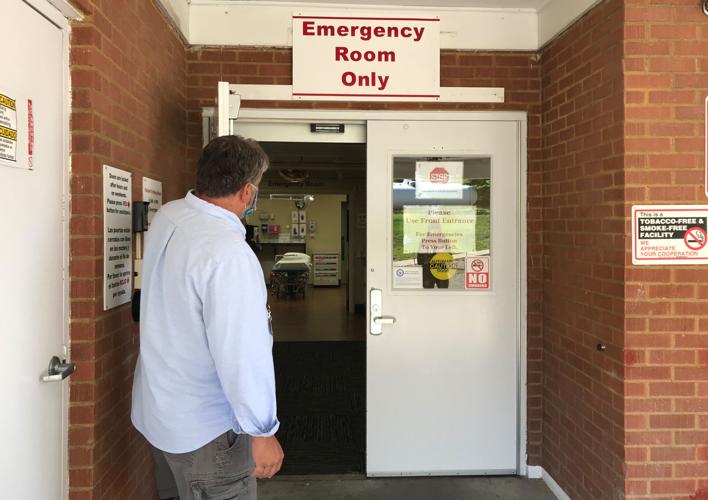
Huerta said the hospital’s workload dropped precipitously, but Lost Rivers opened a curbside clinic where people can park outside and have appointments. Huerta’s seen more people making clinic appointments, and he hopes the curbside clinic can help people feel more comfortable about getting preventive care.
The pandemic had ripple effects on other Arco businesses. Preliminary unemployment data for April suggest Butte County’s unemployment rate rose during the pandemic but stayed well below the state’s rate of 11.5%.
However, the Idaho Department of Labor says, the unemployment statistics for Butte County don’t accurately represent the county’s resident workforce. The data include thousands of jobs at the Idaho National Laboratory’s desert site, and the department says “the majority” of the lab’s employees “work in the county but live elsewhere and commute.”
Hampton said government agencies, such as INL and the Butte County School District, do employ a large number of workers in the area. So does Lost Rivers Medical Center, she said.
She said local mom-and-pop shops, sole proprietors and tourism-catering businesses such as restaurants were hit hardest because they had to manage their already-limited expenses. She also said some small business owners told her they had trouble accessing public assistance such as the Small Business Administration’s Paycheck Protection Program. Hampton said tourism season is always important for these small shops, and that uncertainty leaves them in limbo.
Paul Lewin, who directs the rural studies program at University of Idaho, specializes in research on economics in rural communities. He said “small communities depend more on external sales than large cities.”
He said COVID-19 could reduce tourism, which would decrease revenue in communities such as Arco. Recreation-based economies could be hit particularly hard by the pandemic because people may fear traveling, he said. But he also said that during recessions and other economic setbacks, “the government and the health industry tend to perform better” than other industries.
The pandemic summer
Arco Mayor Sam Haroldsen, who assumed office in January, said the pandemic has given him a crash-course in crisis management. Community efforts, such as the city’s free mask program and the volunteer-led grocery delivery service, were examples of the tight-knit community in Arco that Hampton said made the area’s response strong. Haroldson thinks the city is in a good position for whatever will come next.
“You give them the tools and hope they do the best,” he said. And, he warned, “You plan for the worst and hope for the best.”
Huerta said he and his staff at Lost Rivers are still in the “pandemic posture,” urging patients and residents to be safe. He worries that some people are lulled into a false sense of security and that “people believe, to some large extent, that the pandemic is over,” pointing to upticks in cases both in eastern Idaho and statewide.
“It doesn’t feel like it’s here, but we can’t let our guard down. We can’t put our foot off the gas,” Huerta said. “We have to be diligent.”
Hampton saw an influx of visitors in Arco during Memorial Day weekend. Most were hiking, fishing and camping, she said — exactly the type of recreation she hopes will keep people safe, attract tourists and support local businesses.
Parsons, who owns the deli, is cautiously optimistic. He said he thinks the “panic” of the pandemic is over now, “but I don’t think we should be over being cautious.”
He doesn’t think tourists will come in droves like they used to. Buses packed with dozens of tourists probably won’t come for a while, he said. But are people from nearby states cooped up and ready to get out? He’s hoping they’ll visit.
“It’s just a lot more fun when you’re busy,” he said. “You need a loud kitchen with people sweating and laughing.”

(0) comments
Welcome to the discussion.
Log In