

Ski and snowboard season is approaching and whether you plan to spend a couple days on the slopes or try to get over 100 days on your pass, some training and conditioning before the season starts can go a long way. While summer is often filled with activities like hiking, mountain biking, and generally being active, the muscles that are used in these are significantly different than the ones used in skiing and snowboarding and even if you are in prime physical shape, the first day on the mountain tends to be a leg burner.
As a ski resort, the Sun Valley area is all about training for ski season. Three trainers weighed in on how to get in ski shape fast and which exercises will give you most bang for your buck so that no matter what you ski — downhill, powder, moguls, cross-country — you’ll be set.
Brad Mitchell, Wood River Community YMCA
“I think first and foremost people need to take their time, embrace the process and not try to rush it,” said Brad Mitchell, a personal trainer and certified strength and conditioning coach at the Wood River Community YMCA. Of the utmost importance in his philosophy is that individuals check in with their own abilities and give enough time to the process. Mitchell’s current clients who are in a pre-season training curriculum specifically for alpine skiing have dedicated 24 sessions or roughly 8-12 weeks to ensure that enough time is given for the body to adapt.
“Can that time be cut shorter? Sure, but that depends on someone’s current fitness level,” Mitchell said. “For the average health seeker, you need to take your time.”
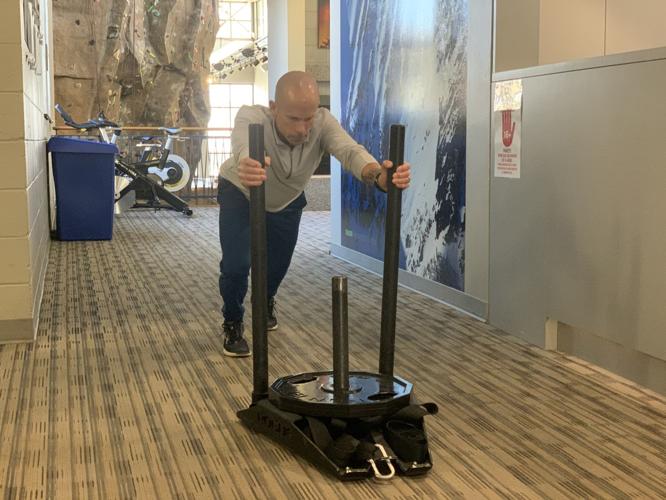
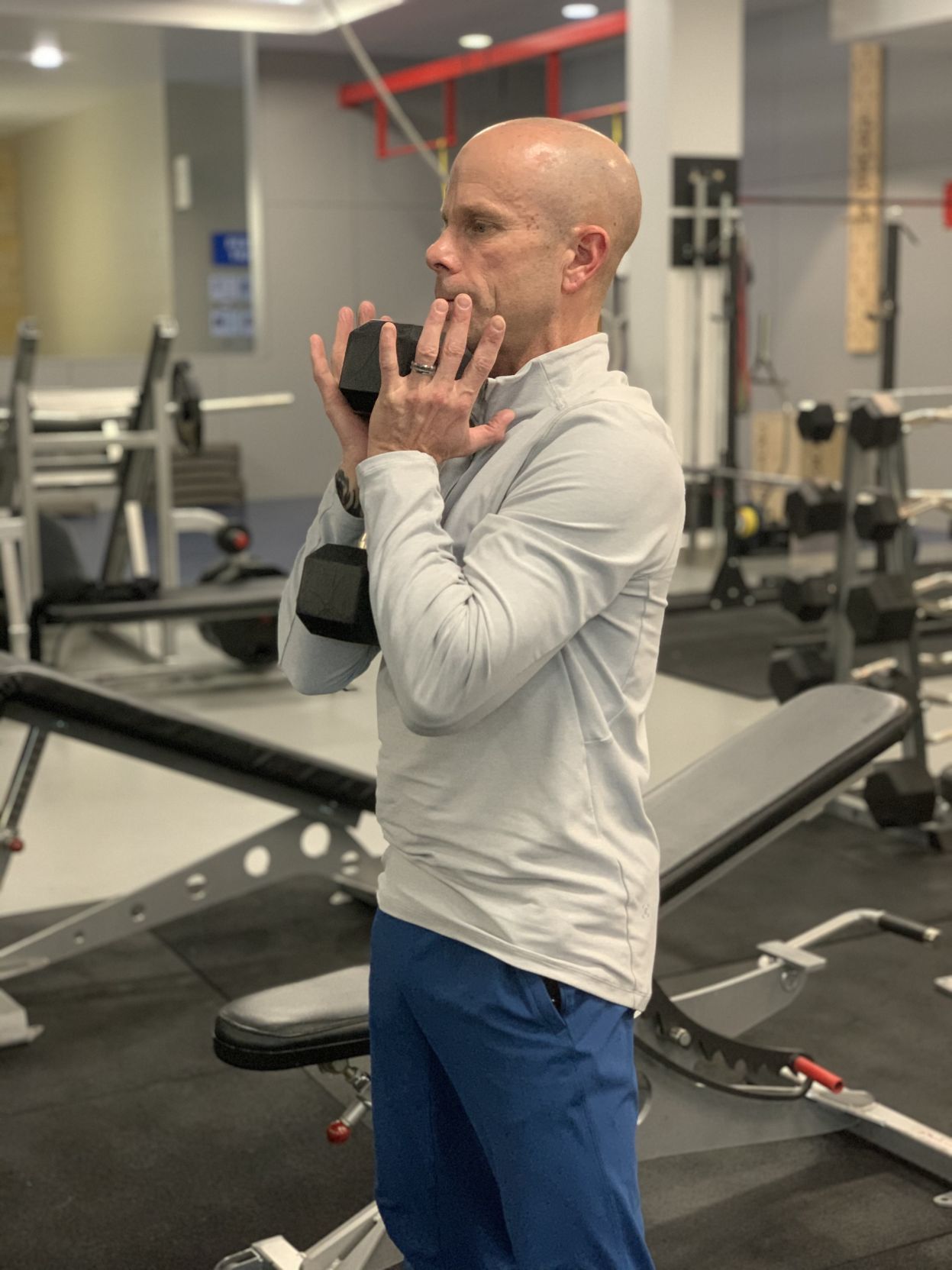
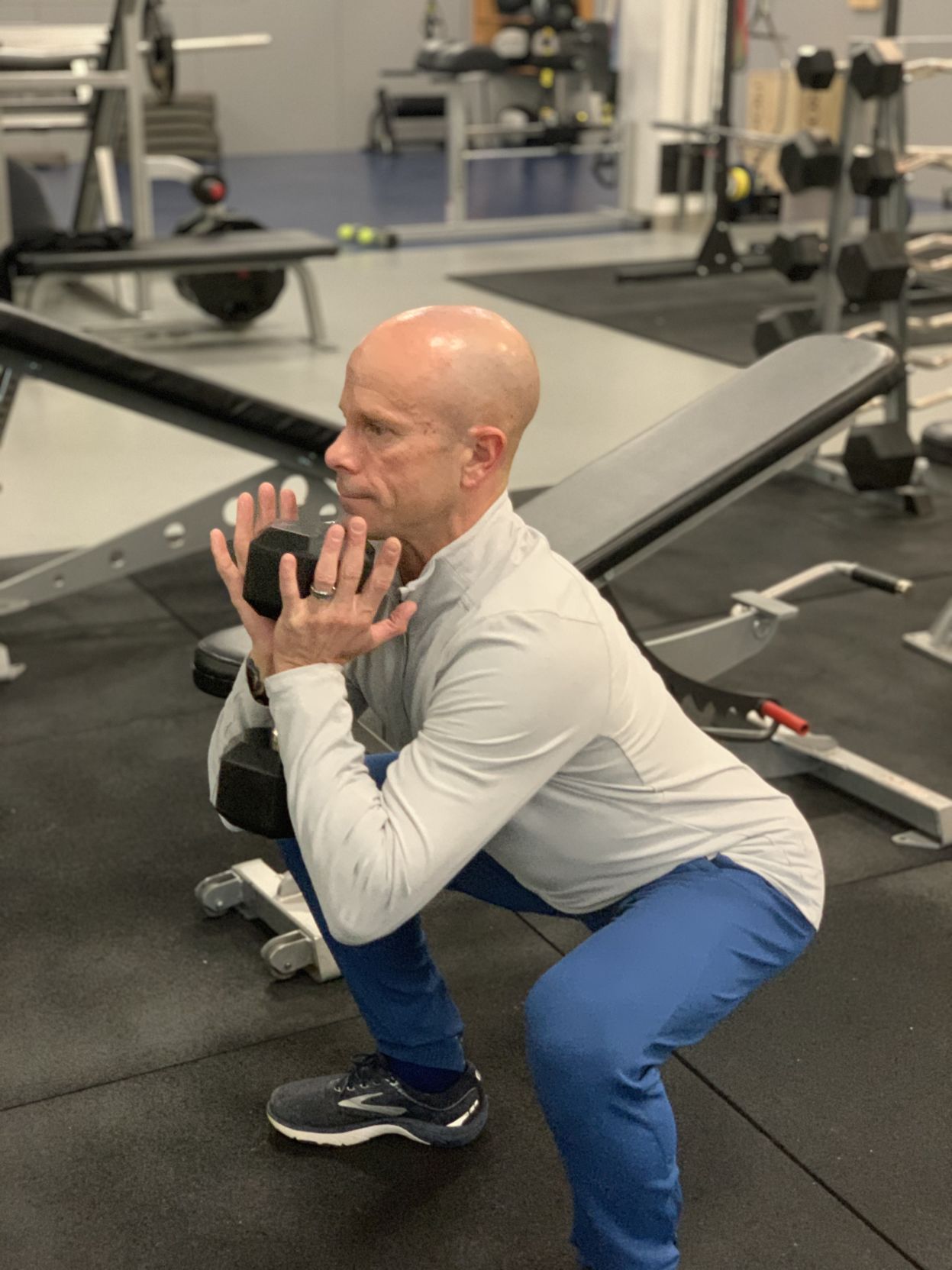
The foundational movements of most of Mitchell’s ski season-focused training are: squatting, hinging, lunging, pushing and pulling. A session might begin with a warm up and some balance work (like on a Bosu ball or single leg stance), then 10-40 minutes of lower body exercises, 20 minutes of pushing and pulling a sled, and end with dynamic movements like squat jumps, lunge jumps or speed skaters.
“Explosive, dynamic movements end every session,” Mitchell said. “If you think about how people move when they’re on their skis, it’s that eccentric movement that can make us so sore. In these dynamic jumping movements, we’re focusing on the absorbing of our body weight.”
Zack Taylor, Zenergy
Personal trainer Zack Taylor is known as the go-to guy for ski season training at Ketchum’s Zenergy health club and spa.
“Ski training is different than most folks think,” Taylor said. “Most train cardio and hit the weights to get strong, which are both good, but not great. To get in ski shape fast and get the most bang for your buck, we must train like we are skiing; time under tension,” Taylor said.
Time under tension movements are exercises that are measured in time rather than reps. For instance, instead of 10 reps of alternating lunges, Taylor recommends alternating the lunge movements for one, two, or three minutes (the longer the time, the longer the muscle is under tension and the harder it will be). Ski training deviates from the typical 3x10 or 4x10 training most do at the gym.
Taylor also recommends power output movements such as jumping, skipping, box jumps and side-to-side lateral movements.
“Power output is what we use when we push our skis,” Taylor said. “Downhill ski push is the most important for our form: drive, drive, drive the ski.”
Taylor’s three favorites exercises for ski season are pulsing squats, lateral walks in a low squat position and single leg balances with hands in “ski pole position.” To get really crazy, try adding a band around the knees for more tension or holding a weight to make the lower half work harder.
For cross-country, balance and head position exercises are key. In downhill, skis stay in contact with the snow at all times, and the head stays lined up easier since skiers are “looking” downhill. For cross-country and skate skiing, each stride results in one foot/ski on snow and one in the air. If you are hunched over and not stacked over shoulders and hips, momentum will pull you towards the snow.
“Less machines, more function with time under tension. Get out there and drive those skis!”
Bill Nurge, HardCore Training Center
Head Coach and Owner of HardCore Training Center Bill Nurge knows a thing or two about getting in shape for ski season. In addition to holding a masters degree in exercise physiology and 30 years of experience training and coaching, Nurge himself is an extreme athlete. Accomplishments include placing 10th in the 1992 Olympic Trials Biathlon, holding the American record for the SkiErg 500m and placing 1st in the Nationals Masters Nordic Championships.
When it comes to ski season training, Nurge recommends training the way you would ski: doing high stamina exercises rather than 20-30 seconds on and then resting; after all, you don’t stop skiing every 20-30 seconds.
“Alpine skiing places incessant demands on managing high tension torque with perfectly-timed, coordinated movements,” Nurge said. You’ll want high-end stamina to sustain lots of perfectly-linked powerful turns.”
For this, Nurge uses “concurrent training” which blends high-intensity cardio with high-tension complex movements to simulate the demands of alpine skiing. These might include high-tension dynamic squats and lateral jumps, often with the addition of elastic PowerCords to put even more tension on the lower body without risking injury.
Cross-country skiing on the other hand requires “boatloads of single leg balance, whole body coordination and stamina,” said Nurge.
“Timing, coordination and understanding how to use all four limbs simultaneously is key to having fun on skinny skis.”



(0) comments
Welcome to the discussion.
Log In