


In 2018, less than half of the voting age population cast a ballot in Idaho. To be clear, thousands of people who meet the age requirements to vote did not vote in the last election.
In 2016, the numbers were slightly better due to the increased turnout for a general election, but we were still under 60 percent because thousands of citizens didn’t make it to the polls.
Think about that; state and local representatives are making life-changing policy decisions for thousands of Idahoans who didn’t vote for them. We have to ensure that politicians are working for the people that they represent.
We have already taken some big steps in the right direction. Unlike many other states, Idaho allows voters to cast their ballots a few weeks before the election. We also encourage absentee ballot voting (sometimes called vote by mail) so that individuals who can’t make it to the polls can still cast a ballot.
Both of these methods have proven to increase voter participation, but obviously, we are still failing a large number of Idahoans who can’t get to the polls or have been discouraged from voting. Idaho does a great job in some areas of voting but there is so much we can do to improve.
One of the things that discourages voters from getting to the polls is the confusion around registering to vote. One of the other great policies in Idaho in same-day registration at the polls.
Basically, any Idahoan who is qualified to vote can register to vote and cast their ballot all on the same day. Although this policy is amazing and has increased voter registration, many voters don’t even know that it exists or find it confusing and difficult to navigate.
Many states have used automatic voter registration (AVR) to get around some of the challenges of getting citizen registered. AVR makes registration an “opt-out” process instead of an “opt-in” process.
All citizens who are eligible to vote are automatically registered to vote at 18 unless they decline to be registered. Currently, 16 states and the District of Columbia have approved this and seen historic increases in registration and voting. The process allows all citizens to know, without any confusion, that they can head to the polls on election day and cast a ballot.
However, once we get people registered, we also have to get them to the polls to cast a ballot. One of the best ways that we can get people excited about voting is starting to encourage people at a young age.
States with a required government course in high school, including Idaho, have more informed voters who are more likely to head to the polls on election day. However, if we start talking about the importance of civic engagement in middle and even elementary school, then we see even higher rates of voting and civic awareness.
If Idaho made civic engagement a meaningful part of our education system, we would have a better chance of getting our citizens to the polls equipped with knowledge to make the best decisions for Idaho.
One of the best ways to make sure we hold representatives accountable is to encourage as much voting as possible. Our democracy works best when citizens play a big part in determining what the state looks like. We have made great strides to ensure that all Idahoans can better access voting, but we still have a long way to go.
It’s time to re-examine some of the assumptions that we are making about the ease of voting and implement some new, proven solutions. We can take significant strides to make sure that all Idahoans can get to the polls.
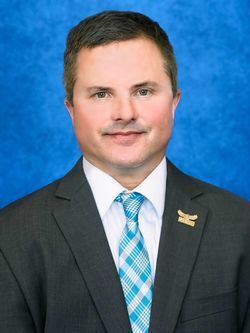
This column was written by state Rep. Chris Abernathy, D-Pocatello.

(0) comments
Welcome to the discussion.
Log In