

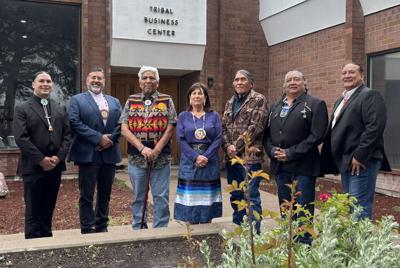

After reviewing public records, project materials and testimony presented during the May 14 Conditional Use Permit hearing, the Shoshone-Bannock Tribes reaffirm their opposition to a proposed artificial intelligence data center at the former Hoku site in Pocatello.
Officials cite concerns over the developer’s failure to submit sufficient information for review to address concerns over likely increases to electricity rates, impacts to water resources and environmental impacts, said Roselynn Yazzie, Shoshone-Bannock Tribes public affairs manager.
Ahead of the Pocatello City Council’s July 16 appeal hearing, the following is an official statement from the Shoshone-Bannock Tribes:
“Since time immemorial, the Shoshone-Bannock Tribes have carried the responsibility to care for the land, waters and environment. This commitment extends from the current Fort Hall Indian Reservation boundaries to the Tribes’ ceded lands and historical homelands where our people continue to live, exercise Treaty Rights, practice culture and traditions, and maintain spiritual connections to the land. The Tribes are deeply concerned about the potential impacts of an additional data center in Pocatello City and reaffirm its opposition to constructing a data center within its ceded lands.”
According to Yazzie, the Tribes agree with Pocatello City’s Hearing Examiner’s determination that the developer “failed to provide sufficient information necessary for meaningful review” to justify the approval of a CUP at the former Hoku site.
In addition the Tribes are deeply concerned that a data center would increase electricity rates for Tribal members, she said.
The Tribes acknowledge that HB 895 passed in 2026 prohibits new data centers from using water for cooling as a consumptive use unless available from a municipality. Additionally, AI Data center cooling requirements have rendered traditional cooling methods that use significant amounts of water obsolete.
However, the developer failed to satisfactorily express projected water requirements for a liquid cooling system and did not address water consumption for on-site power generation. Defining water requirements using existing data centers or reasonable assumptions as models is imperative.
Additionally, although materials identified water source options, they lacked details about what chemicals or additives are used in a liquid cooling system.
In addition to potential adverse effects on the Portneuf River, a host of environmental concerns exist including the impacts from construction, pollution from gas-fueled generators and the associated water use, heat release and dissipation in the surrounding ecosystem, wastewater and runoff. The project cannot move forward without the city deliberately ensuring that local, state, and federal environmental reviews are completed and standards are met.
In conclusion, the Tribes said economic interests must never come at the expense of the people, lands and waters. The Tribes will always advocate for data-driven decision-making and environmental stewardship to protect current and future generations.


(0) comments
Welcome to the discussion.
Log In