


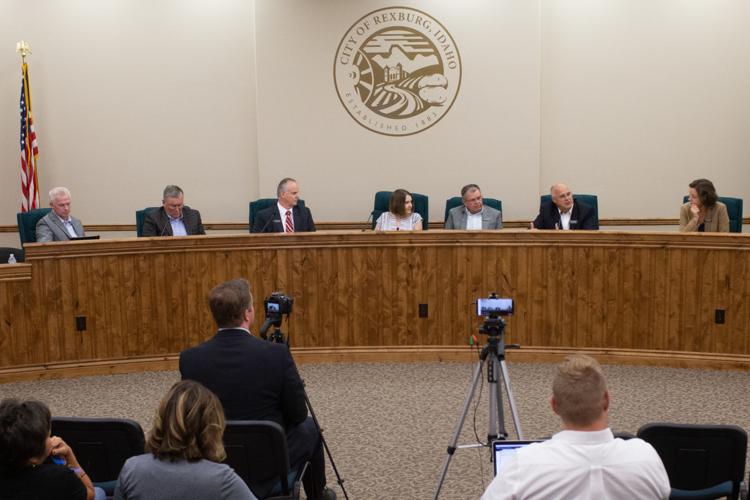






REXBURG — Local lawmakers spent part of a town hall Monday arguing in favor of making the state’s ballot initiative laws stricter, while also addressing issues including education funding, water rights and compensation for the wrongfully convicted.
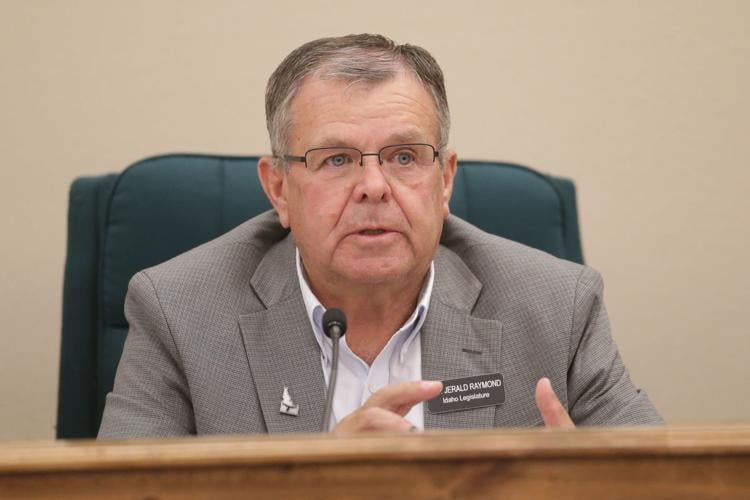
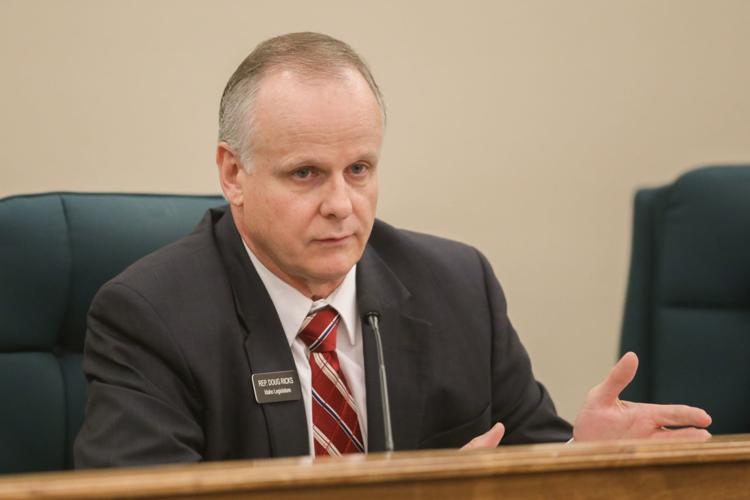
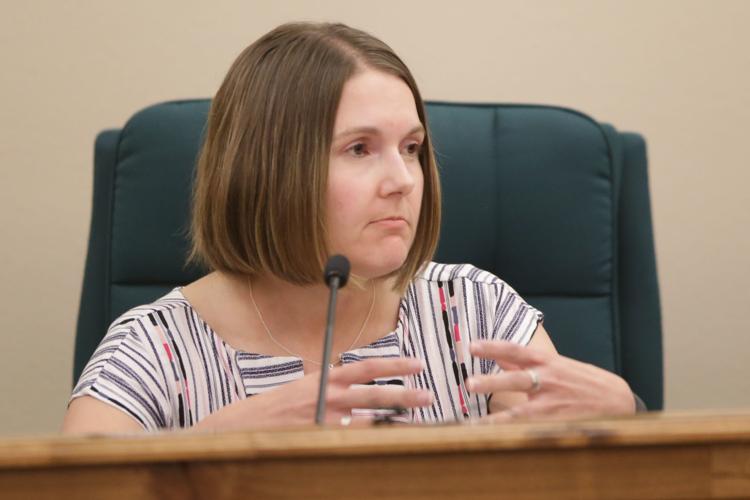
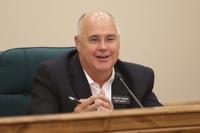
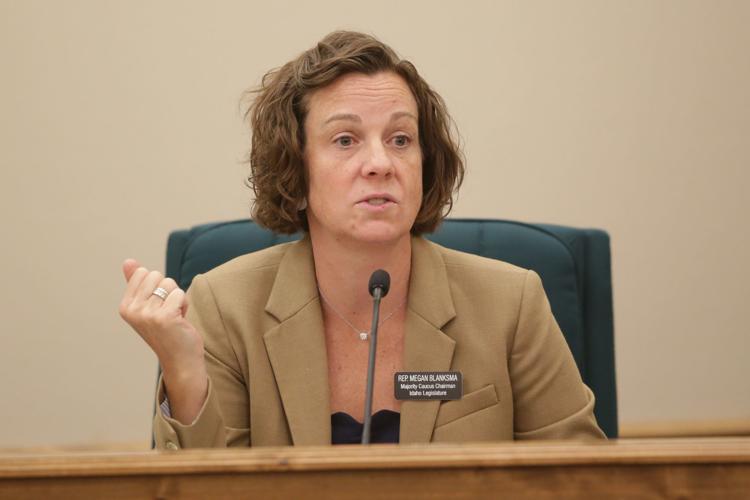
The Idaho House Republican leadership came to Rexburg on Monday, the latest in a series of town halls they have been holding around the state. They were joined by local Reps. Britt Raybould and Doug Ricks, both R-Rexburg, Rod Furniss, R-Rigby, and Jerald Raymond, R-Menan. Legislators touched on a variety of subjects during the two-hour forum at Rexburg City Hall, including Medicaid expansion, education and whether to change the initiative process.
Much of the 2019 session was taken up by debate over whether to raise the threshold to get an initiative on the ballot. Gov. Brad Little ended up vetoing two bills that would have done so. These bills were supported by most legislative Republicans, and all of the lawmakers present voted for at least one of them. Several voiced continued support for making changes to the state’s initiative law.
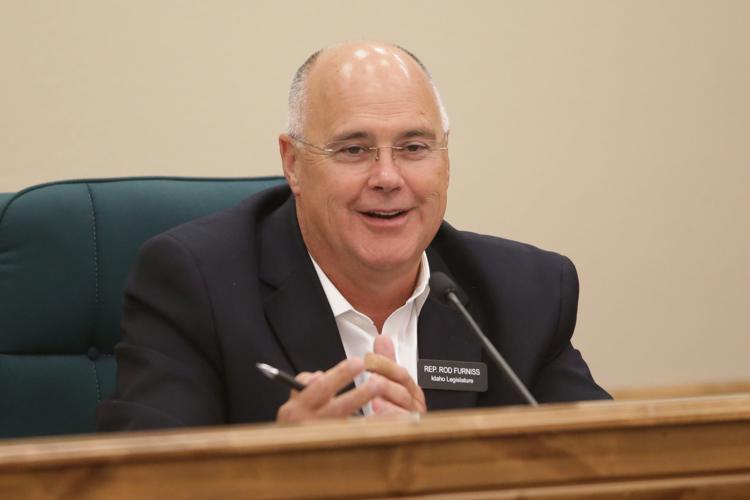
Furniss mentioned he likes the idea of requiring an initiative to come with a fiscal impact statement, so voters know how much it would cost. Many Republican politicians have complained that the Medicaid expansion initiative voters passed in 2018 didn’t specify how expansion would be funded, and as well as raising the signature threshold for an initiative the bill Little vetoed would have required a fiscal impact statement. An interim legislative committee is evaluating how to pay for Medicaid expansion now.
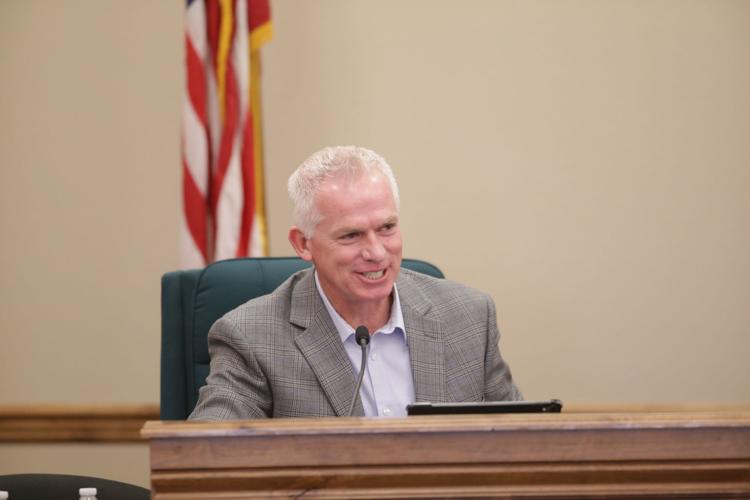
“If we would have had that with the Medicaid expansion, maybe it would have been a different vote,” said House Speaker Scott Bedke, R-Oakley.
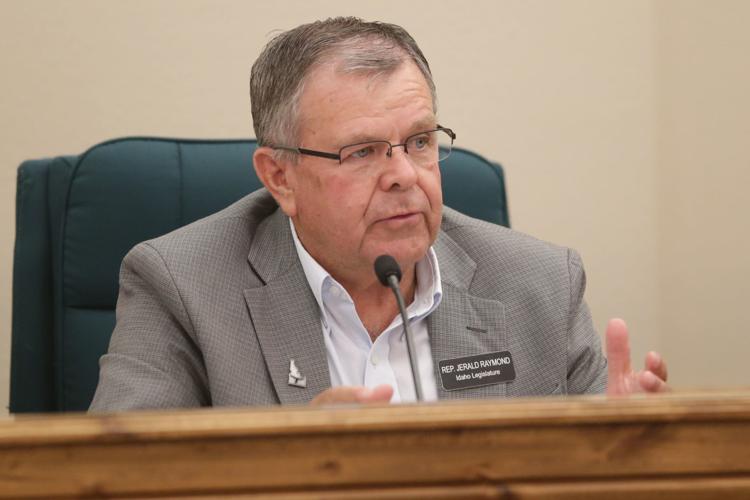
Bedke and Raymond also discussed the controversy over the Idaho Content Standards, Idaho’s version of Common Core. The state Department of Education held hearings throughout the state about the standards last month. Many in the Republican Party’s more conservative wing have been calling on the state to ditch the standards, while teachers who have shown up at the hearings have largely spoken in favor of keeping them. Raymond said he knows some people want to get rid of the standards, but he wondered what would replace them.
Raymond, who is on the House Education Committee, said he plans to work next year on legislation rewriting the state’s public school funding formula from an attendance-based to an enrollment-based one. Lawmakers have been studying the issue for about three years, and while this was expected to happen in 2019, the only bill that passed was one to gather more student data in preparation for switching to a new funding formula in the future. Several versions of bills to rewrite the formula itself were introduced in March, but none of them went further than a committee hearing.
All four of the District 34 and 35 House members were elected in 2018, meaning this year was their first session, and they started the forum by talking about bills they sponsored and some things they want to work on next year. Ricks said he wants to work on reining in local property taxes.
“It seems like county property taxes are going up and up and that needs to be looked at,” he said.
Ricks also said he plans to introduce a bill establishing compensation for people who are wrongfully convicted and imprisoned. The bill, he said, was inspired by the case of Christopher Tapp, an Idaho Falls man who was convicted in 1998 of murdering Angie Dodge. He was released from prison in 2017 and has since had his conviction overturned, and another man now stands accused of the murder.
“He spent 20 years in jail wrongfully, and we let him out, and there’s no compensation, there’s no services provided with health care and other things, and so I’m actually working on a bill to try and correct that situation,” he said.
Bedke said he views House Bill 1, which codified a water rights settlement in the Treasure Valley’s Boise River system, as one of the most important accomplishments of this year’s legislative session.
“As I look back, I’m very interested in the water issues, and I’d have to say that was one of the things that when we look back 25 years from now or 50 years from now, we’ll point back to that as being something we accomplished that was a good thing,” he said.

(0) comments
Welcome to the discussion.
Log In