


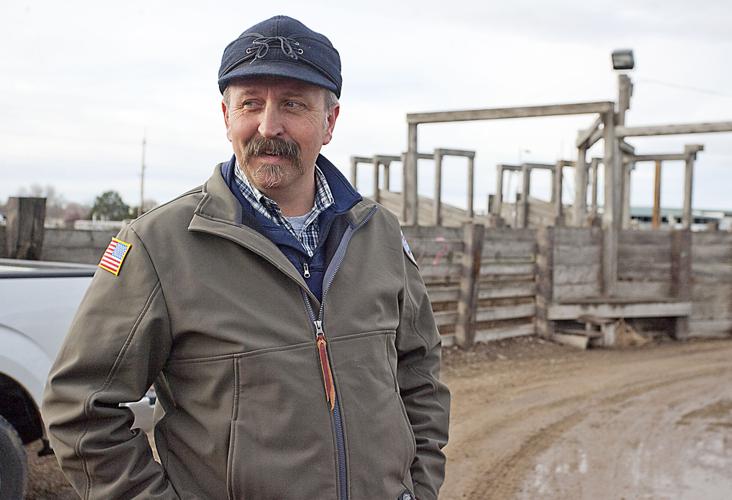
Cody Burlile has memorized many of the 18,000 brands used by cattle owners in Idaho. He knows all six of the places a rancher can legally apply those brands to an animal. He can identify multiple types of earmarks ranchers use and he knows how to help the U.S. Department of Agriculture trace a livestock disease back to its herd of origin.
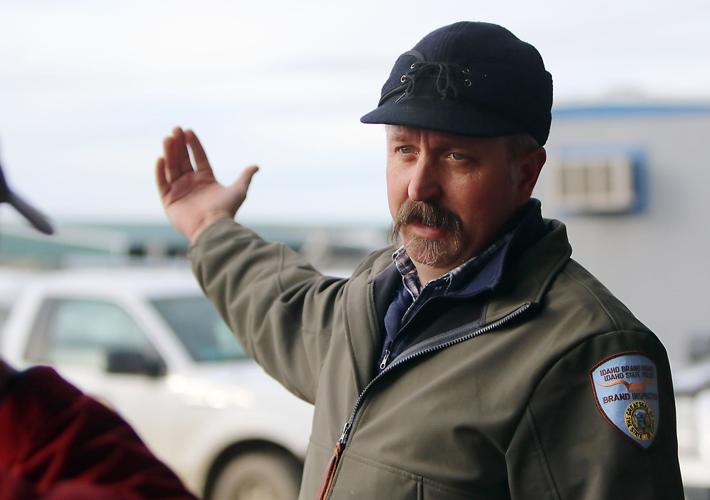
Burlile is the Idaho state brand inspector. His job is to oversee the inspection of every sale of horses or cattle in Idaho — anytime there is a change in ownership, Burlile or one of the roughly 50 other brand board employees is there to make sure the sale is legal and the animals are legally owned.
As of right now, brand inspection in Idaho is still done almost entirely on paper. While brand designs and some details of field inspections are kept in a small database, Burlile still uses the word “antiquated” when describing the inspection process. Last year, they inspected about 2.1 million cattle and 12,000 equines before sale, and they did it all by paper and pencil.
But that will most likely change this spring.
Idaho recently received a $60,000 grant from the U.S. Department of Homeland Security, which the state government plans to spend on new iPads for brand inspectors. Those devices will contain Idaho-specific software allowing inspectors to look up brands and transaction history in the field. The software will also help brand inspectors comply with a state law requiring them to submit payment of fees from ranchers within 24 hours of receiving it — currently, inspectors have to obtain a money order and mail paper checks from ranchers, who may live in far-flung corners of the state. The new iPad system will allow them to pay by card and will help keep track of money ranchers might owe in fees.
And there is a great deal of cattle-related money changing hands in Idaho.
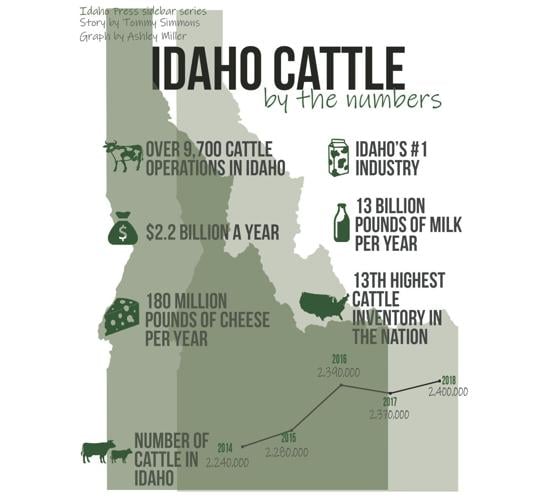
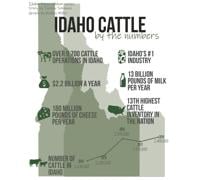
At 2.4 million head of cattle, Idaho ranks number 13 in the country for its inventory of cattle, with more than 7,500 beef cattle operations statewide including 1,100 in Canyon County alone.
The state’s top agricultural industry is dairy, valued at $2.2 billion, according to the Idaho State Department of Agriculture reported in 2017. The second largest cow-calf operation in the country is based in Boise, and counts more than 30,000 mother cows.
Burlile and the other brand inspectors are charged with ensuring all those animals are legally owned and sold.
PAPERWORK
Tracking all that livestock has created a voluminous amount of paperwork and clerical work. If, for example, a rancher lost a certificate of sale and needed a new copy — something livestock owners are often required to keep — finding the state’s copy is a matter of digging through a filing cabinet, Burlile said. It’s even harder if the rancher isn’t exactly sure when the sale occurred.
The new software system will make that information available in a sleek, modern database — and those in the cattle industry are happy about that, too. Idaho Cattle Association Executive Vice President Cameron Mulrony said his organization helped push the legislature for the grant money.
He said it was vital for “cattle inspection to move at the speed of commerce,” and in the 21st century, commerce moves quickly. Yet Mulrony is candid when he talks about the cattle industry’s reluctance to change — even in other states, the use of computers to aid brand inspection is a relatively new phenomenon. He knows it’s necessary though.
“The movement of cattle is a lot higher now than historically ... getting this upgrade is a huge asset,” Mulrony said.
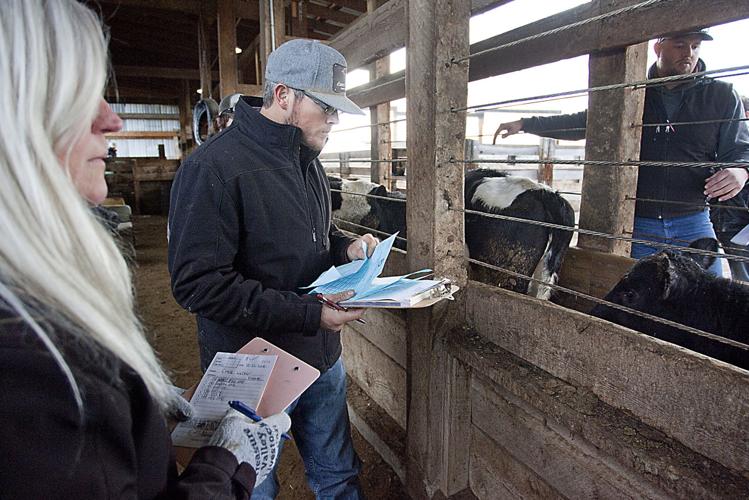
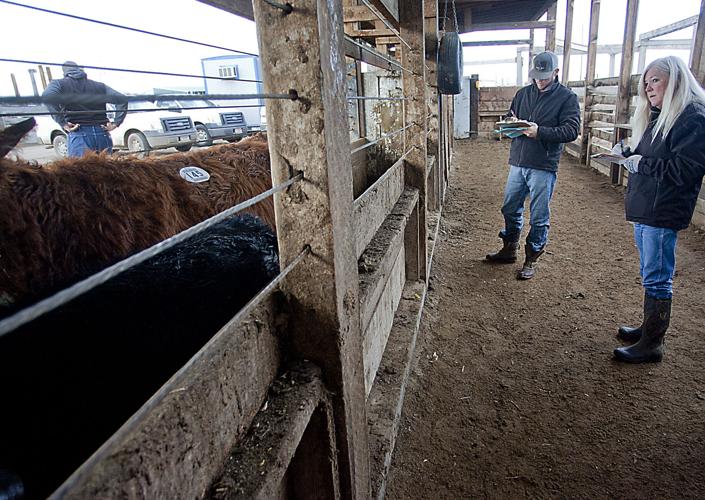
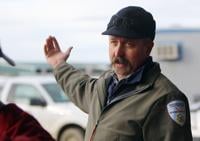
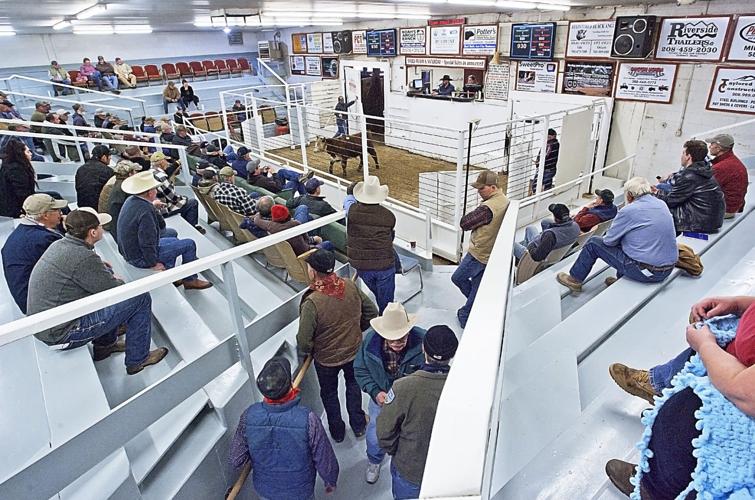
It won’t be in place until the spring, however, so when Burlile and four other brand inspectors made their way out to the Treasure Valley Livestock Auction in Caldwell one leaden December day, they held pens and notepads, not iPads in their hands. It’s the way the job has been done for decades, and the way Burlile himself did it for three years before becoming the state brand inspector in April.
“Typically at all of our sale yards, we have inspectors because we know (the cattle are) changing ownership,” Burlile said, standing on a muddy stretch of ground near a wooden chute crowded with cattle before a Dec. 21 auction.
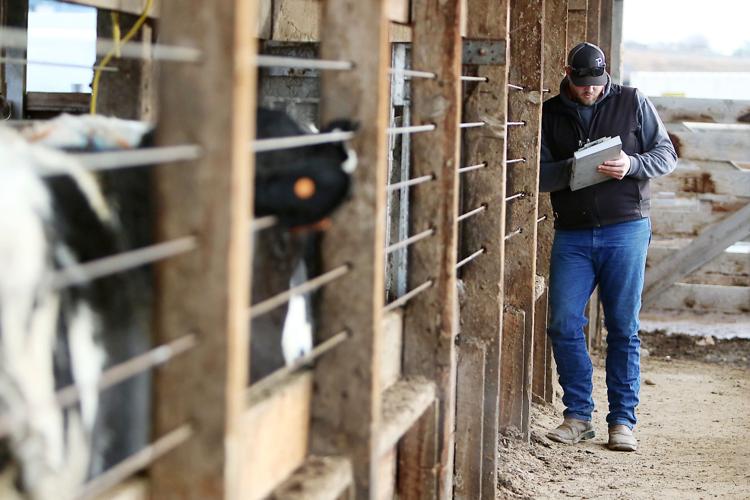
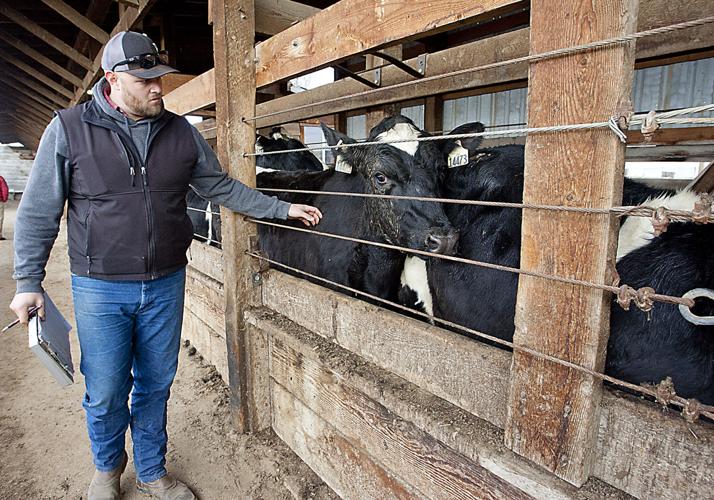
The inspectors themselves — clad in jeans and boots — examined each of the animals and made notes to verify the animal was branded with a legal brand and that there was a record of ownership associated with it. Ranchers have certificates of ownership for their livestock, and inspectors comb through those records to ensure each change in ownership was legal.
“It’s a lot like the title of a car,” Burlile said.
A brand on an animal is legal proof of ownership. Almost all ranchers have a brand — many of them are generations-old heirlooms — and each brand is registered with the state. Inspectors keep a book of those registered brands and use it to verify ownership (once the new software system is in place, this can be done electronically, Burlile said). Those brands are published in a book every year, and Burlile said the brand board has copies of books from as far back as the late 1800s. At auction, inspectors check the brand on each animal before it heads for the auction floor. It’s not always as easy as it sounds — in winter, for instance, when the cattle have grown thicker hide, inspectors might have to feel the raised brand on the animals to help identify it.
“A lot of the times, it’s braille,” Burlile said. “It’s brand-inspected braille.”
Brands can help identify stolen animals, and while the concept of cattle rustling might sound like it died with the Wild West, Burlile has seen it happen plenty of times.
“It does happen, we’ve seen, where (thieves) change the brand,” he said. “We’ve had cases where they’ve cut the brand off or skinned it off.”
To brand inspectors, such injuries can serve as evidence a theft has occurred — and any theft of livestock is a felony in Idaho. Because brand inspectors are investigating felonies — and because they’re a branch of the Idaho State Police — they must attend a police academy before working as an inspector.
Burlile said some brand inspectors were police officers before their new career in the agriculture world, but others, like himself, grew up working with livestock. Brand inspection is a marriage of those two worlds, and inspectors can make arrests and enforce any Idaho law. That’s because the crimes they’re investigating are serious ones.
“It doesn’t take a lot of cattle to make a million dollars worth of cattle,” Burlile pointed out.
Stereotypically, cattle theft occurs when a thief simply drives up to ranchland, loads the animals into a vehicle and drives away. But brand inspectors in Idaho have seen the crime change over time. A few years back, for instance, when dairy cattle became more expensive, they saw a rash of stolen dairy calves. And in recent years, inspectors have also seen stolen livestock sold on Craigslist.
“We’ve got guys who have been here 30 or 40 years (who say) ... ‘You’ve never seen it all,’” Burlile said. “There’s always something new that comes along.”
Even if cattle aren’t stolen, they sometimes wander from their home ranches, Mulrony pointed out. Brand inspectors play a key role in returning those cattle to their owners. Keeping brands in a database accessible form an iPad will streamline that process, he pointed out.
TECH UPGRADE
Brand inspectors don’t just investigate crimes. They oversee livestock sales on ranches and before animals move out of state. Because of that, they often travel to ranches in remote parts of Idaho, too, which is another reason the iPads are a necessary upgrade. A 2018 audit from the Idaho Legislative Services Office noted inspectors had difficulty submitting brand inspection receipts within 24 hours. In response to the audit, Burlile wrote to the office that brand inspectors “historically and will continue to have difficulties complying with (the law),” but wrote he felt the software upgrade will help.
In addition to making records more accessible, the software system is also expected to help protect sales and preserve integrity.
“In the event livestock is sold without proof of ownership, a hold order is issued by a brand inspector, and the money is kept by the stockyard until a release order is issued,” according to the audit. “In 2016, funds were misappropriated when a clerk at a stockyard conspired with a brand inspector to release checks for funds that had been held and unclaimed since 2014.”
That sort of skimming is easier to get away with in a paper-based system. The computer system will track holds and allow officials easy access to their status. It will increase accountability and help inspectors track both money and livestock — important, considering banks often lend significant sums of money to owners of livestock, and since Idaho’s cattle are worth a collective $2.7 billion. Burlile has seen cases of fraud in which a person might lie to a creditor about how many cattle they’re purchasing and then sell the animals without paying off a loan.
Banking officials will often ask brand inspectors for all the documentation the brand board has on a cattle owner’s sale history. The reason for this, Burlile explained, is so banks can be sure they are lending money to an ethical, reliable rancher.
“We also protect the banking industry too,” he said. “It’s a way of them securing their investments if they’re loaning money.”
The U.S. Department of Agriculture also uses brand inspections to trace livestock diseases back to their herd of origin, a job Burlile himself used to do before he became a brand inspector. For him, that intersection of industries is part of what keeps the job fresh.
But it also lets him stay true to himself and what he’s always loved. As a ranch kid from the Payette area, Burlile still feels at home in the agriculture industry.
“You get to deal with the best people in the world,” he said.


(0) comments
Welcome to the discussion.
Log In