


Cases of respiratory syncytial virus complications, more commonly known as RSV, are hitting local hospitals hard.
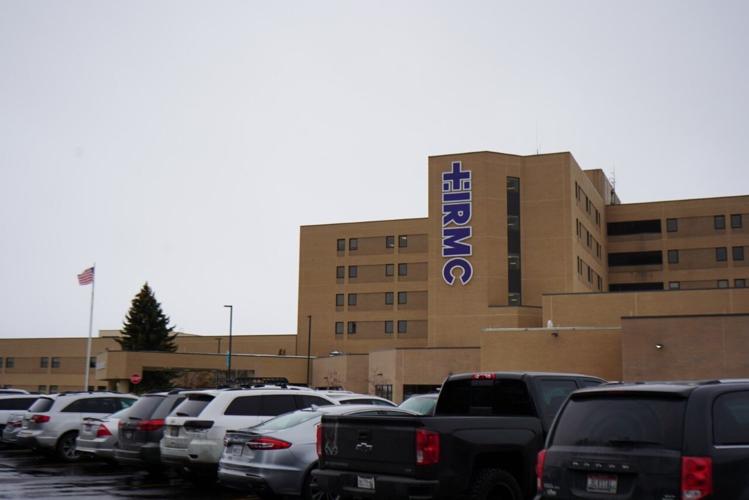
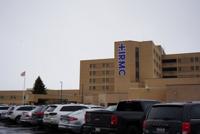
Eastern Idaho Regional Medical Center in Idaho Falls is seeing abnormally high numbers of children being admitted with RSV while officials at Portneuf Medical Center in Pocatello say RSV hospitalizations there have been steady as well over the past few weeks.
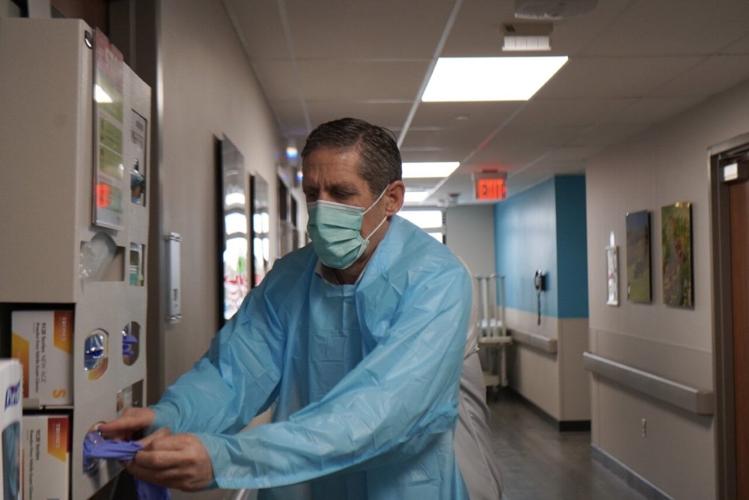
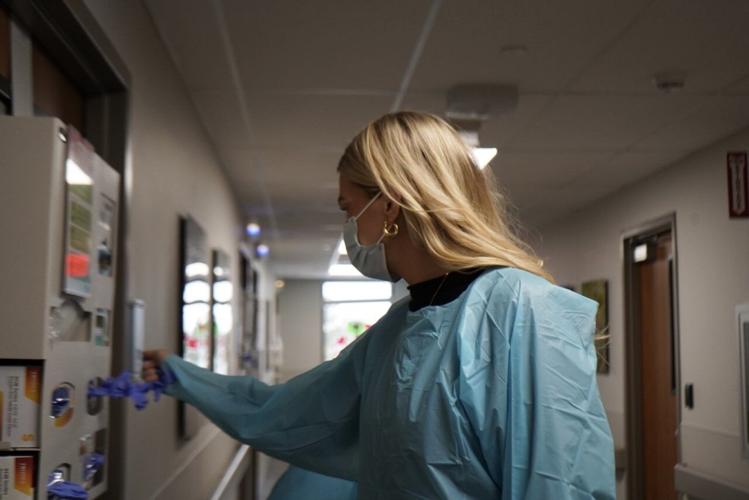
Pediatric inpatient hospitalizations are at a record high for EIRMC due to the RSV virus. The hospital has two and a half times as many pediatric RSV patients (25) as it has pediatric beds (10), and has had to place a number of children in the adult unit.
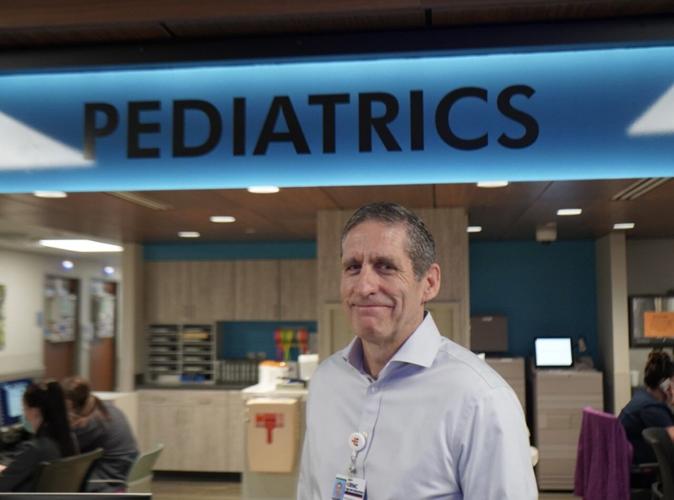
“Each year we expect a spike in RSV cases. It is not out of the ordinary,” said Bradford Hatch, a Pediatric Center pediatrician at EIRMC. “What is out of the ordinary is the timeline of that spike in cases. We are experiencing the spike far earlier than we normally do and have not even started the preliminary antibody shots given to those at higher risk.”
At Portneuf Medical Center, RSV hospitalizations haven’t quite reached the levels at EIRMC, according to Chief Medical Officer Dan Snell, though they have remained above average consistently in recent weeks.
“We’ve been pretty steady, right in the range of about a handful of RSV (hospitalizations) in house per day,” Snell said. “We haven’t seen the significant jump that EIRMC and other parts of the state are seeing and hopefully it doesn’t get to us. But chances are it probably will because it’s a super contagious virus that likes to spread. Hopefully we’re able to maintain where we are, but as we learned with COVID, we can’t really predict the future.”
Brian Fulks, a pediatrician at the Pocatello Children’s Clinic, says he too has seen an uptick in local RSV cases happening earlier this year and is also of the opinion that it could get worse before it gets any better.
“It does seem like we are seeing more this year than in previous years but that could be because people are being more careful because of COVID,” Fulks said. “We tend to follow the case count in Salt Lake City fairly closely in terms of our peak and it seems like they are close to that.”
The Pocatello area has not yet been hit as severely as other places, Fulks said, adding that the Pocatello Children’s Clinic has been receiving treatment referrals from other hospitals, including some from the Yakima area in Washington state and some from the Boise area.
In the United States, RSV circulation generally starts during the fall and peaks in the winter. From 2014 to 2017, eight out of 10 of the U.S. Department of Health and Human Services regions recorded an RSV season onset ranging from mid-September to mid-November and a seasonal peak ranging from early January to mid-February. EIRMC officials believe their hospital is experiencing its peak now, much earlier than normal.
Prior to 2020, seasonal patterns for RSV were very consistent but following the COVID-19 pandemic, patterns of circulation for RSV have been disrupted. Beginning in the southern United States, RSV circulation began to rise in the spring months of 2021 and peaked in July.
It is too soon to predict if or when the previous seasonal patterns will return, according to the Centers for Disease Control website, cdc.gov/rsv/research/index.html.
The crush of RSV patients has been surprising but staff members at EIRMC have been able to accommodate it.
“Children have been transferred here from other hospitals and we feel so proud that we have not had to turn anyone away,” said Coleen Niemann, director of marketing and community relations at EIRMC. “It can be really hard sometimes to move things around and make them work but we are so grateful that we can help these children and their families.”
RSV is highly contagious and can lead to respiratory illness in anyone infected. Adults and older healthy children also can contract RSV but their symptoms are typically mild and mimic the common cold, according to the Mayo Clinic. However, in infants, infections can go from seemingly mild symptoms to hospitalization in less than a week, with some patients at risk for developing lung infections such as bronchiolitis and pneumonia and some infections resulting in death.
Each year in the United States, RSV leads to approximately 2.1 million outpatient, non-hospitalization visits among children younger than 5 years old and between 58,000 and 80,000 hospitalizations among children younger than 5, leading to around 100 to 300 deaths in children younger than 5.
In order to thwart the peak infection season and prepare high-risk children for the virus’ most infectious months, physicians commonly administer monoclonal antibody shots called Palivizumab. The shots are recommended by the American Academy of Pediatrics to be administered in monthly intramuscular injections to infants and children who are likely to benefit based on gestational age and underlying medical conditions. There is no vaccine to prevent RSV infection.
Mild symptoms of RSV may include a runny nose, sneezing and coughing, while severe symptoms can escalate to wheezing and difficulty breathing, Hatch said.
Infants and young children with RSV may have a decrease in appetite before any other symptoms appear with the cough usually developing one to three days later. In very young infants, irritability, decreased activity or apnea may be the only noticeable symptoms of the infection.
Most people recover in a week or two, but RSV can be serious, especially for infants and older adults. RSV is the most common cause of bronchiolitis and pneumonia in children younger than 1 year of age in the United States, according to data from the CDC.
Fulks advises parents to be vigilant when it comes to RSV, but not to become panicked.
“I usually tell parents that 95 percent of kids get RSV by the time they are age 2,” Fulks said. “It is a very common virus, but of that 95 percent only a small percent require hospitalizations.”
Though most commonly discussed in connection with dangers in younger children, the virus can be deadly for several different demographics including those over 65 years old and anyone with underlying medical conditions. Adults with chronic heart issues, lung disease and weakened immune systems are all at higher risk.
“Many people assume that RSV is worse for infants and children because we hear about it more but this is a common misconception,” Hatch said. “The most deaths from RSV actually result from the virus occurring in adults. Adults are generally more unhealthy than children, with chronic medical conditions such as heart disease or diabetes making it harder to fight off the infection, leading to higher mortality rates.”
Each year in the United States RSV infections or complications account for between 60,000 and 120,000 hospitalizations among adults 65 and older, resulting in between 6,000 and 10,000 deaths among the demographic, according to date from the CDC.
EIRMC officials said that while most people will come across the disease sometime during its peak infection days, most will get away with mild cold-like symptoms and should not be worried. Officials encourage the development of good hygiene habits that can increase your chances of a mild, controllable infection.
“Wash your hands often,” Hatch said. “Avoid touching your eyes, nose and mouth with unwashed hands. Avoid close contact, such as kissing, sharing cups or eating utensils with people who have cold-like symptoms. Cover your mouth and nose with a tissue or your upper shirt sleeve when coughing or sneezing. Clean and disinfect surfaces and objects that people frequently touch, such as toys, doorknobs, and mobile devices. If possible, stay home from work, school, and public areas when you are sick.”
Idaho Falls Community Hospital officials are also seeing a spike in RSV in children in the area.
“Over the last week, we have seen a lot of sick kids come through our emergency department,” said Casey Jackman, Idaho Falls Community Hospital’s chief operating officer. “Most have been able to be treated and go home but a number have needed to be admitted for further care. Many of the children coming to us are sick with RSV but we are also seeing cases of the flu, strep, COVID-19 and even pneumonia. While we are used to seeing an annual spike in RSV cases, the pediatric patients we are currently treating seem to be sicker than usual. With the severity of illness we are seeing in our community, we encourage families to be cautious and take extra steps to try to keep their children healthy this holiday season.”
The Idaho State Journal contributed to this report.



(0) comments
Welcome to the discussion.
Log In