

High blood pressure, or hypertension, is a common medical condition in which the force of blood against the walls of the arteries is high enough that it can eventually cause health problems. Risk factors that may cause high blood pressure are a family history, age (there is a greater chance of developing high blood pressure the older we get), gender (it is more common for men to develop high blood pressure before the age of 64, and it is more common for women to develop high blood pressure after the age of 65), race (African Americans are more predisposed to developing high blood pressure) and chronic kidney disease. The modifiable risk factors (these are behaviors we can change) are a lack of physical activity, an unhealthy diet, consuming to much sodium, being overweight or obese, drinking too much alcohol, sleep apnea, high cholesterol, diabetes, smoking and stress. When left untreated this condition may cause strokes, heart attacks, heart failure, vision loss, peripheral artery disease and kidney disease.
Blood pressure is measured in numbers. Systolic (upper number) takes place as blood pumps out of the heart and into the arteries, and diastolic (lower number) happens when the heart is resting between heart beats. According to the American Heart Association normal blood pressure is less than 120/80. Elevated blood pressure is systolic 120-129, and diastolic is 80-89. Hypertension stage 1 is systolic 130-139 or diastolic 80-89. Hypertension stage 2 is systolic 140 or higher or diastolic 90 or higher. Hypertensive crisis is a systolic blood pressure higher than 180 or a diastolic higher than 120. Hypertensive crisis is a medical emergency and requires immediate attention either through your primary care provider or the emergency room.
There are some simple lifestyle choices that you can make to manage/prevent high blood pressure. Knowing your blood pressure numbers and knowing when your blood pressure is too high. You can check your blood pressure at home and keep a log. Maintain a healthy weight by eating fruits, vegetables and lean meats. Limit saturated and total fats in your diet. Reduce your sodium intake to under 1500mg a day. Aim for physical activity of 90 to 150 minutes per week of aerobic and/ dynamic resistance exercise, and three sessions of isometric resistance exercises per week. Limit alcohol intake, one drink per day for women and two drinks per day for men. Quit smoking. Follow up with your primary care provider at least annually for a wellness physical.
High blood pressure is often called “The Silent Killer” because there are not always obvious symptoms of the disease. When left untreated there can be serious consequences to your health. There is not a cure for high blood pressure but managing risk factors, taking medications appropriately and working together with your primary care provider can significantly reduce the risk of complications from high blood pressure.
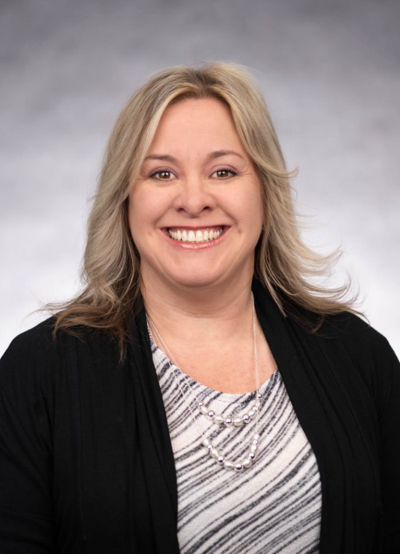
Tina Guedes, FNP-C is a board-certified Family Nurse Practitioner. She is certified through the American Academy of Nurse Practitioners. She received her undergraduate degree in nursing from Advent Health University. She received her master’s degree in Family Nurse Practitioner from Frontier Nursing University. Prior to becoming a nurse practitioner, she spent 20 years working as a registered nurse. She has diverse experience working in ICU, ICU step down, emergency room, heart catheter recovery unit, and clinic nursing.


(0) comments
Welcome to the discussion.
Log In