

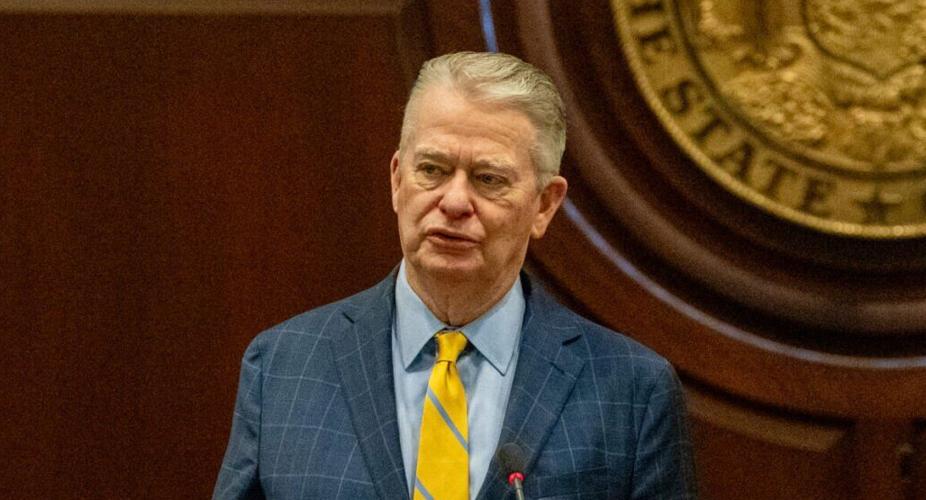


BOISE — Continuing the slate of post-adjournment vetoes, Gov. Brad Little implemented a line-item veto to restore funding for the state’s graduate medical education program, which provides training for physicians after medical school.
This line-item veto — the second targeted at House Bill 978 — can be used by the governor to remove portions of bills making appropriations while allowing the remainder of the appropriations to pass into law. In his veto letter, Little underscored the veto came with the backdrop of the state facing “one of the most severe physician shortages in the nation.”
The veto targets the portion of the bill pertaining to the Idaho Department of Health and Welfare’s (IDHW) Health Care Policy Initiative Program for the coming fiscal year.
The cuts would have reduced the combined general, dedicated and federal funding for this program by a total of $478,600.
This level of reduction would have resulted in the IDHW making “drastic program cuts with virtually no warning,” and for the graduate medical education program, it would have resulted in eight current medical residents losing funding for their education in the midst of a three-year medical residency, Little stated in his veto letter.
“It is not only unjust to the physicians in training and the residency programs we have spent years developing, but it also undermines Idaho’s credibility, signaling that the state may not honor its commitments,” Little stated.
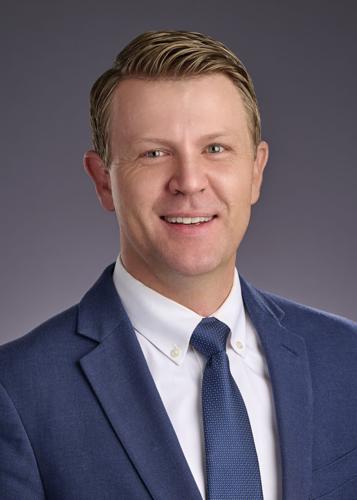
Rep. Dustin Manwaring, R-Pocatello, who served on the Joint Finance-Appropriations Committee this past session, has been a consistent proponent of the state’s medical education program.
During a JFAC meeting early in the legislative session, Manwaring said Idaho’s physician shortage had reached “crisis” levels with 1,400 physicians needed to be added to Idaho today in order to catch up to the nation’s per capita average. Today, Idaho ranks 50th.
“Our GME program boasts one of the highest retention rates in the country, and its affordability makes it one of the most cost-effective investments in Idaho’s future,” Little stated in his letter. “We must stay committed to expanding and strengthening initiatives like this, rather than undermining them by cutting funding. Doing so not only jeopardizes the pipeline of physicians we rely on to care for our community, but also sends a troubling message about Idaho’s reliability and commitment to its future healthcare workforce.”


(1) comment
[thumbup]
Welcome to the discussion.
Log In