

Chief Justice Roger Burdick has declared Oct. 22-28 as Idaho Pro Bono Week 2017. Lawyers around our fair state will participate in pro bono activities during that week. But when it is over they will continue to do what those in our profession have done since before statehood — provide free legal help to people without the resources to pay. Perhaps this is a good time to reflect on our pro bono responsibility.
During my law school years (over 50 years ago), I can’t recall any discussion by professors about performing pro bono work. The oath administered during the swearing in ceremony in 1967 was my first recollection of hearing about a lawyer’s obligation to do free legal work for low-income folks.
When I started a solo practice in a small town, the opportunities for doing legal work without pay seemed to be boundless. We are only speaking here of work where you don’t expect to be paid.
Giving free legal help became an integral part of my small-town practice. People would come in needing legal help and you could pretty well tell that they could not afford it.
You could see relief in their eyes when you said you would not charge for the work. It is a good feeling. I experienced it again several months ago when a young man, a refugee from the Congo, teared up when I told him he would not have to pay for my work in recovering a car that had been improperly repossessed by a used car dealer.
During 50 years of public and private practice, some of my most rewarding work has been in pro bono cases.
Idaho lawyers have been generous with their help. Idaho Legal Aid provided 18,994 hours of free legal services last year; Idaho lawyers performed 14,330 hours of legal service through the Idaho Volunteer Lawyers Program in 2016; and volunteer lawyers provided 1,134 hours of service in federal court cases.
Idaho’s law schools have done well by instilling a pro bono ethic in their students. Last year, University of Idaho law students spent 7,289 hours doing pro bono work, and Concordia students and faculty performed 2,303 hours of pro bono service in 2016-17 academic year.
This does not count the many pro bono hours that lawyers in every corner of the state performed for people who did not go through a referral agency, or programs such as ITLA’s street law clinics.
Justice Robyn Brody has taken over as Chair of the Pro Bono Commission. She has a strong commitment to pro bono service and has commission members to work with who are dedicated to serving low income Idahoans.
I express my great thanks to those with whom I have served on the commission and look forward to working with them in the refugee pro bono program that is getting underway to provide both hands-on legal help to refugees and seminars on how they can adjust to the Idaho legal landscape.
As we move forward, I encourage attorneys to think of how you can devote more of your legal talent to helping those who need but can’t afford the service. There are numerous opportunities to help. Attorneys should contact IVLP or Legal Aid to say you will handle cases generally or in a specific practice area-consumer law, family practice, immigration, and the like.
Take inspiration from those like Maria Andrade, who performs hundreds of hours of pro bono each year (a phenomenal 1,112 hours since 1-1-15). Or Capt. Steve Stokes, who devotes his days to energetically helping service personnel and veterans through the Idaho Military Legal Alliance. Or Micron’s Legal Department, which contributed 461.5 pro bono hours in 2016.
Step forward during Pro Bono Week 2017 and each week thereafter to serve the less fortunate for the sole reward of their gratitude.
Idahoans who are in need of legal assistance should contact the Idaho Volunteer Lawyers Program via its website or by calling 208-334-4500; or visit Idaho Legal Aid Services at IdahoLegalAid.org.
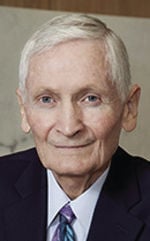
Former Chief Justice Jim Jones is an Idaho native, who grew up on his family’s farm in Eden. He served in the U.S. Army, including a 13-month tour in Vietnam, receiving several decorations. Justice Jones was elected as Idaho Attorney General in 1982, serving two terms. Following the completion of his second term, he established a private law practice in Boise, which he maintained until being elected to the Idaho Supreme Court in 2004. He was re-elected in 2010 and became chief justice in 2015 by a vote of his peers. He retired earlier this year.

(0) comments
Welcome to the discussion.
Log In