



“One good thing about music, when it hits you feel no pain,” said legendary musician Bob Marley. I agree with his observation (especially hearing his feel-good tunes), although I have encountered plenty of music played at decibel levels that cause pain, and certain melodies evoke feelings of sadness whenever I hear them played.
American singer Billy Joel said music “in itself is healing,” and a column in Medical News Today (Nov. 19, 2015) strongly supports his observation. It discusses music’s ability to promote healing and poses the question, “But why does music appear to ease pain? While the exact mechanism remains unclear, many researchers believe one reason is because listening to music triggers the release of opioids in the brain, the body’s natural pain relievers.”
Most of us recall songs that were cemented into our infantile brains. I can still hear Alvin from Chipmunk fame exclaiming, “Okaaay.” It was a clever artifice that created the Chipmunk “band” who sold 5 million copies of one song, but another singer’s lyrics are the ones that were seared into my brain.
When I was 6, my father played an album by a musician who had a remarkable voice. Dad would crank the music up until it drowned out the vacuum cleaner and then boogie around the living room sucking up dust bunnies. His gyrations and two words, “cool water,” left an indelible impression.
When I was 7, my dad had a seizure at the dinner table and was taken by ambulance to the hospital. He never lived with us again and died when I was 11. Years later, I began assimilating the shattered remnants of his life, and I felt compelled to track down the source of cool water. Rich at Budget Audio & Video only had to hear those two words and he said, “The singer you are after is Marty Robbins,” and he ordered me the album, “Gunfighter Ballads.”
Born Martin Robinson on Sept. 26, 1925, in Glendale, Arizona, Marty Robbins gained fame and acclaim due to his songwriting and beautiful, haunting voice. Best known for ballads he wrote like “El Paso,” “Big Iron” and “Saddle Tramp,” Robbins also sang “Cool Water,” a song written by Bob Nolan in 1936.
Nolan was a great songwriter, but when you compare his voice to that of Robbins it is easy to understand why Rich immediately guided me to the Marty Robbins’ album. The minute I started playing that music, I was transported back to being a 6-year-old watching his father cavort around a living room making cleaning tolerable fun. It was magical, it was soothing, and, yes, it was healing.
Years later, I began playing Marty Robbins’ songs for my children particularly when powerful thunderstorms moved through the valley. We would turn the lights off, crank up Marty and marvel at the dazzling light displays followed by the crack of thunder and rolling boomers. To this day, my children enjoy hearing Marty Robbins’ soulful voice, and they are quite musical with the art form appearing to have become their muse.
My daughter Chelsey has performed with several groups. She made me several albums of her/their music. All I have to do when I am alone or feeling blue is put Chelsey on the CD player and a positive mood change results.
Another singer I relish is Katie Melua from the country of Georgia. Her family moved to the British Isles when she was eight. I confess to having listened to her playful albums more than a 100 times in the past few years. When I’m cooking, hearing her addictive voice and teasing lyrics alway serves to lift my spirits.
I enjoy all kinds of music; it absolutely has healing power. Marty Robbins is an “oldie,” but I would put the quality of his voice up against any contemporary country singer if you are looking for some “new” music to enjoy during stormy times, and Katie Melua is definitely worth experiencing. Deceased jazz trumpeter Louis Armstrong nailed it: “Music is life itself.”
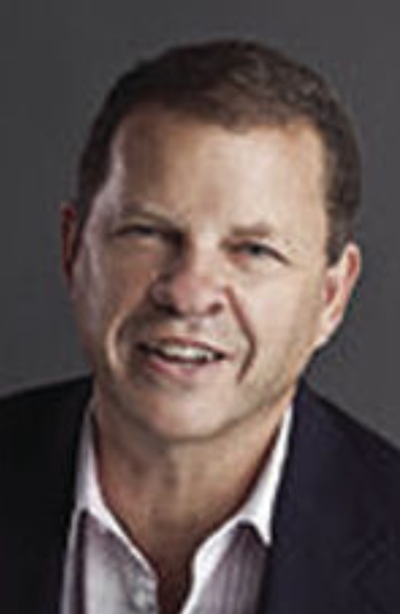
Jesse Robison is a Pocatello native educated in Idaho. He works as a mediator and insurance claim consultant, but his passion is public art. Robison has spearheaded art improvements throughout Pocatello, including the Kizuna Garden located at the Pocatello airport, and serves on the Bistline Foundation.

(0) comments
Welcome to the discussion.
Log In