


BOISE — Rep. Judy Boyle’s legislation to require drug-testing of all Idaho substitute teachers died in the Idaho House on Thursday, with lawmakers saying they admired the intent, but felt that it wasn’t the way to solve Idaho’s drug problems.
The bill had narrowly cleared a House committee after a hearing at which school officials from around the state called the proposed law unworkable, noting that they already have their own drug-testing policies. They can drug-test employees now; many do so on suspicion, with some requiring testing pre-employment.
Boyle, R-Midvale, said her bill, HB 651, would require pre-employment testing of all substitute teachers; they wouldn’t need an additional test if they moved to a different district within 30 days of a negative test.
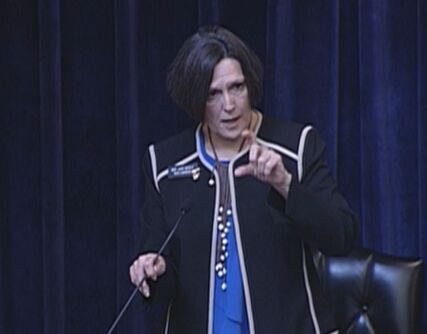
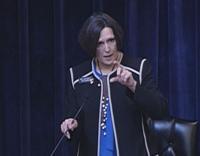
“This bill is an effort to protect our precious children while they’re in our public schools,” she told the House. She said with school districts “desperate for any warm body” to serve as a substitute teacher, “This provides a horrid opportunity for people who want to either solicit drugs to our children or are on drugs themselves.”
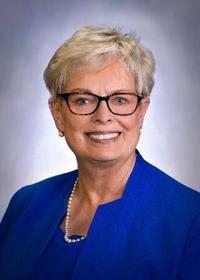
Rep. Linda Hartgen, R-Twin Falls, said, “I do have lots of faith in local control, our local school board.” She said substitute teachers in her community are “parents, they’re grandparents, they’re legislators, they’re good people.”
Rep. Matthew Bundy, R-Mountain Home, a high school teacher, said, “In my experience, the vast majority of these substitutes are people who are intent on entering the profession. Many of them are highly skilled.”
Boyle said she’s particularly concerned about fentanyl, which can be deadly in very small amounts, and said, “Last summer at the Midvale swimming pool … we discovered that our children were being solicited with these type of drugs.”
Rep. Sally Toone, D-Gooding, a longtime teacher, said, “Everybody that walks into our schools and works with our kids has to be fingerprinted — that is the law.”
Substitute teachers in Idaho must undergo fingerprinting and a criminal background check every five years; and be at least 18 and have a high school diploma or GED, in addition to requirements imposed by local school districts.
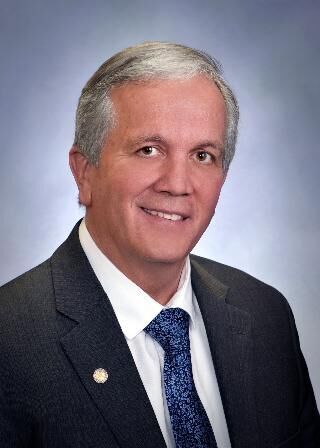
Rep. Gary Marshall, R-Idaho Falls, said his local school districts “see this as just another enormous burden in their attempt to get substitutes in their schools.”
Schools have been struggling for substitutes amid the labor crunch and the fallout from the COVID-19 pandemic.
“Drugs are terrible — I think we all can agree on that,” said House Minority Leader Ilana Rubel, D-Boise. “I think we want to keep them away from kids, obviously. But there are so many people that interface with kids in our society.”
Rubel said she thought becoming a substitute teacher was an unlikely route for a drug dealer to choose to get to children. “Insofar as we have a substitute teacher problem, I think putting this target on their back will likely only make the problem worse,” she said, “and I don’t see how it would move the ball forward in any way toward resolving our drug problem in Idaho.”
Other concerns raised about the bill included costs and requirements for re-tests in cases of false positive results.
Boyle said, “To me, our kids are worth any cost to keep them safe from some drugs that could kill them.”
The bill failed on a 38-31 vote.

(0) comments
Welcome to the discussion.
Log In