



Scattered photographs, assorted personal possessions and bits and pieces of stories are all parts of the puzzle many World War II veterans leave to the next generation. Their sons, daughters, grandsons and granddaughters then try to piece together the personal histories of those who served in “the war” to complete the picture.
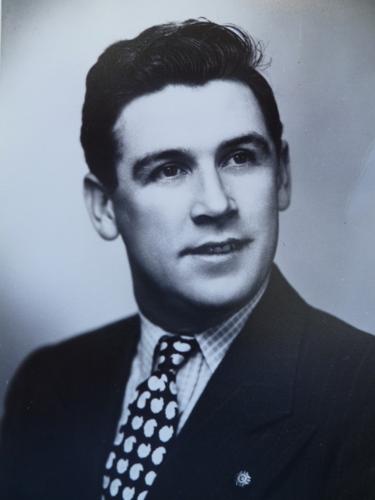
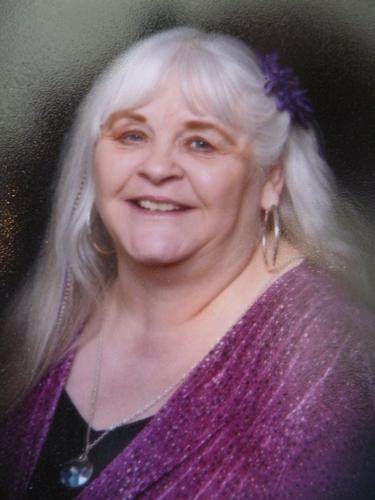
Dawn Christensen of Pocatello wishes that she, her siblings and family had sorted through the memorabilia of life left behind by her father, Wylie Parker, who served and suffered in the jungles of New Guinea during WWII, more carefully.
“I wish we would have written things down,” she says, so that her generation could more accurately put together the pieces of his wartime legacy.
Christensen remembers her father telling stories about his service in the jungle. Indeed, Parker talked about it a lot, she said. She recalls the stories, but most of the details are now forgotten or were never clearly understood. The stories she heard while growing up in Pocatello are vivid, though they are more like snapshots in the mind; meaningful, but lacking the specifics of names, places, and dates of his WWII service.
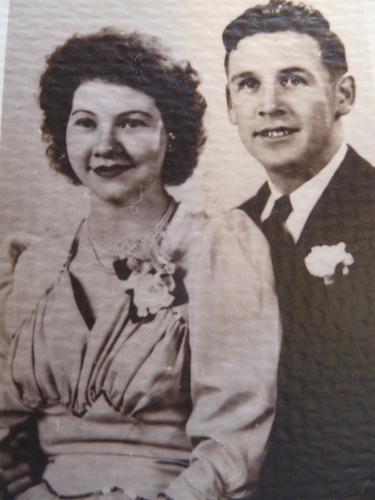
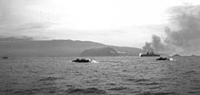
Wylie Parker was born in Blackfoot in 1922 and joined the Army in 1939 at the age of 17. After the Japanese attack on Pearl Harbor, Parker was shipped out to the South Pacific island of New Guinea, where Infantry Sergeant Parker spent three years sweating it out in the jungle.
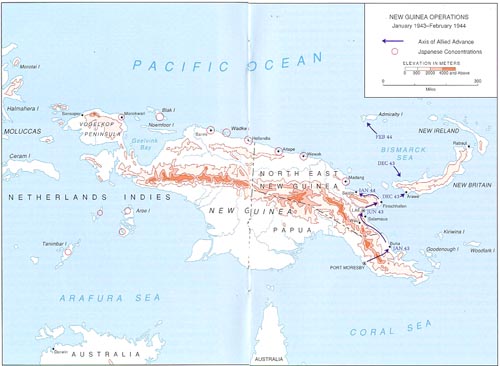
New Guinea is a large island off the coast of Australia and it played an important role in the strategy for victory in the Pacific Theater. A major mountain range cuts the island in half roughly lengthwise, and these mountains make a practically impossible barrier for large troop units to cross from the south to the north on foot or by vehicle. Dense jungle covers New Guinea, and rain and monsoons are common.
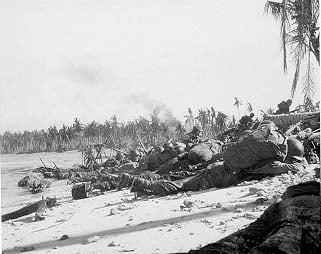
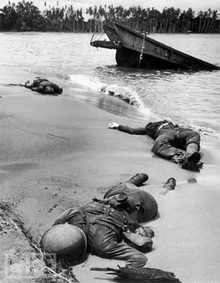
Conditions for the American G.I. in the hot, humid, and dangerous jungles of New Guinea were miserable beyond description. Caves hid Japanese ambush troops snipers hid in the tree tops, and even the natives of the island presented a danger to Allied troops. Minefields, enemy forces and equipment hidden by dense foliage made for thousands of American casualties in close quarters combat. If the combat didn’t weaken the average soldier, the ever-present threat of disease would. Malaria plagued the GI on New Guinea, as well as other jungle diseases, such as dengue fever, dysentery, and scrub typhus.
All of this was what Wylie Parker faced in his three years on New Guinea, and whenever his kids or grandkids complained, said Christensen, he would tell them that they really didn’t know too much about having it tough, if they hadn’t had to sleep in the mud or go without meals in a New Guinea jungle.
Christensen remembers the snippets of stories that her father used to tell about what it was like to serve and survive on New Guinea.
“He used to tell us about the really bad conditions,” said Christensen, “and about how they would have to sleep in the trees or in the mud. Sometimes they wouldn’t eat for three days at a time. They drank rainwater out of big leaves and the water was full of bugs. He said at first his men didn’t want to drink it but he told them they had better drink it if they wanted to survive.”
Parker was in an infantry battalion on the south side of the island.
“He said it was scary because you didn’t know if the Japanese were out there as you went through tearing down the jungle,” Christensen said. “They would sleep in the trees and wake up, and there would be a crocodile right below them.”
Sometimes Parker’s duties would take him and his men on missions to clear brush, dynamite bridges or make their way through minefields.
“He said he remembered that sometimes the Japanese Zeros would fly down so low that he could see the faces and the eyes of the Japanese pilots through the windscreen,” Christensen recalled. “They would come in low almost to the ground and shoot at you.”
Parker did not come out of his jungle experience unscathed. Though not injured in combat, he did severely injure his legs when having to jump in and out of ships onto boardwalks, and these injuries plagued him for the rest of his life. Parker also contracted malaria while on New Guinea.
“I think talking about it relieved his stress,” speculated Christensen. “I remember him talking about how he had been in the trenches and saw his best friend blown up by a hand grenade. Another time he said he was talking to friend, and turned away for a minute, and when he looked back, the guy had been shot and his intestines were hanging out. My father said he was just in shock.”
On another occasion, Parker told his family about approaching a cave on the island with a group of soldiers, including a lieutenant. Sgt. Parker urged caution, saying that the cave might be occupied or booby-trapped, but the lieutenant forged ahead. Paying dearly for his decision, the lieutenant and several other soldiers were shot dead in the cave.
With the war finally over and the victory won, Parker shared with his family how great it felt to come home.
“It was coming from hell to heaven,” Christensen said her father shared as he came home to a glorious victory celebration with crowds of people on the bridge, waving flags, and playing the Star Spangled Banner. “It made him realize just how great it is to be an American.”
The men were given Hershey chocolate bars and Coca-Cola, and then treated to a little luxury after the hardships in the jungle with a week’s stay in a luxurious hotel in Santa Barbara. Calif. to welcome them home.
After his war service, Parker met Donna Sweet at Ft. Lewis and the couple married in 1946. He graduated from what was then Idaho State College with a degree in business and accounting. As the Parkers raised a family in Pocatello, Wylie worked in the auto trade, first at Nash auto dealers, and then for 35 years at Park Price Motors. He was interested in fishing and shooting, was a long-time member of the Lion’s Club, and in his later years was a regular at Elmer’s Restaurant, drinking coffee with the boys.
For all of the suffering and fighting, Dawn Christensen says that her father’s wartime experiences made him a better and stronger man.
“He was somebody to look up to,” she said. “It was like he was invincible. Anytime there was a problem, he just said there’s nothing you can’t get through if you just put your mind to it.”
She remembers her father as a man of strong will, a good man who loved his family and loved his country.
“He came through the war and through life with humor, and that’s the big thing I got from him,” she commented. “I always felt that if he went through all those hardships, then I can get through my hardships too.”
Parker succumbed to skin cancer in 2003, and Christensen said his doctors felt that his long exposure to the tropical elements in the jungles of New Guinea was a likely cause of his cancer.
The battle for New Guinea, while strategically important, was not one of those heralded battles of lightning speed and heroic deeds, sometimes romanticized long after the fact. There were plenty of heroes made and slain on the battlefields on and around New Guinea, but the battle was more like a long and bitter slog, than a valiant struggle that ended with victorious forces parading through a grateful liberated city. The battle for New Guinea was a costly campaign for both sides and lasted nearly three years.
Perhaps this quote from the website www.history.army.com sums it up best.
“It was the ordinary American soldier who endured the worst deprivations that the debilitating New Guinea climate and terrain could offer. It was the lowly GI who was the brains, the muscle, the blood, and the heart and soul of the great army that came of age in the Southwest Pacific Area in 1943 and 1944. In one tough fight after another, he never lost a battle to the Japanese.
Those accomplishments and sacrifices are forever his, and deserve to be remembered by all.”
Pocatellan Wylie Parker was one of those “ordinary” American soldiers.



(0) comments
Welcome to the discussion.
Log In