

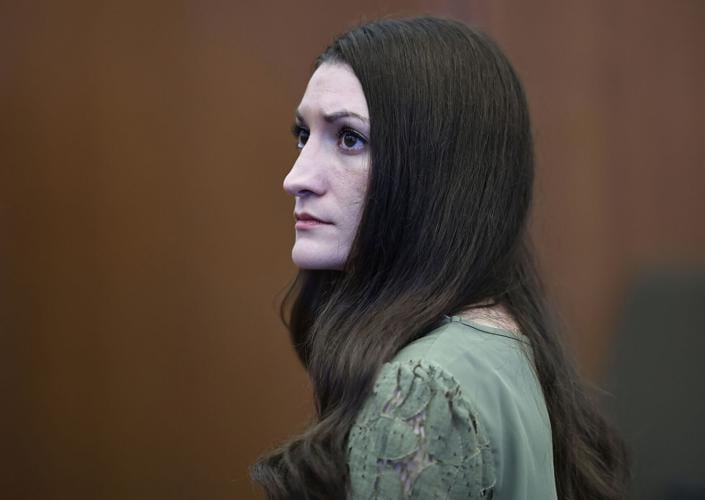



PLYMOUTH, Mass. (AP) — Lindsay Clancy's lawyer argued Tuesday that there wasn’t enough evidence to prove she killed her three children, a striking turn after a lengthy trial that focused more on her mental state than on whether she took their lives.
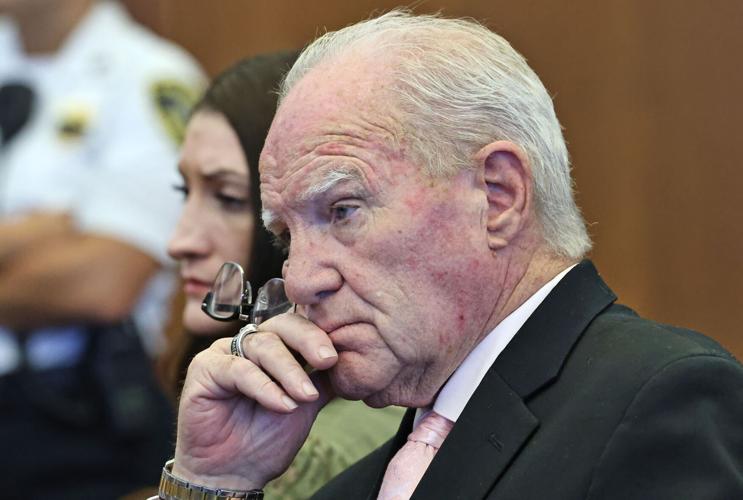
“This entire case is based on speculation,” attorney Kevin Reddington said during the first hearing since Clancy's trial ended Sept. 4 with a deadlocked jury. They were split 11 to 1 in her favor.
During that trial, Reddington didn't dispute that Clancy killed the children at the family's home in 2023. Instead, the defense sought to persuade the jury that the 36-year-old former labor and delivery nurse was not criminally responsible because of mental disease, a rare condition called postpartum psychosis.
EDITOR’S NOTE: This story includes discussion of suicide. If you or someone you know needs help, the national suicide and crisis lifeline in the U.S. is available by calling or texting 988.
Clancy's lawyer now says there is not enough evidence to prove she did it
But at Tuesday's hearing, Reddington sought to persuade Judge William Sullivan — the same judge who presided over the first trial — to acquit Clancy.
There is, Reddington contended, not enough evidence “that this woman killed those children.” He pointed to matters ranging from her condition when she was found, badly injured and bleeding in the yard outside her home, to her lack of memory of what happened when she woke up in a hospital. At the first trial, her now ex-husband and first responders testified that they arrived at the house and discovered she had tried to kill herself right after killing the children.
“Where is the admission? Where does she say that she did this?” Reddington asked, going on to recap his arguments that she also was psychotic and delusional at the time of the children's deaths. He didn’t offer any alternative theories or evidence about who might be responsible.
Prosecutor Shanan Buckingham called his argument “laughable,” pointing to various evidence raised during the trial. In court papers filed Monday, prosecutors recapped their arguments that there was enough evidence to convict Clancy.
The prosecution maintains that Clancy knew her actions were wrong when she used exercise bands to strangle 5-year-old Cora, 3-year-old Dawson and 8-month-old Callan Clancy. They said she contrived to get her husband out of the house that evening by sending him to pick up medicine for one of their children and dinner for the family.
It's still unknown whether Clancy will face a second trial
The judge didn’t immediately decide, and no trial date was set.
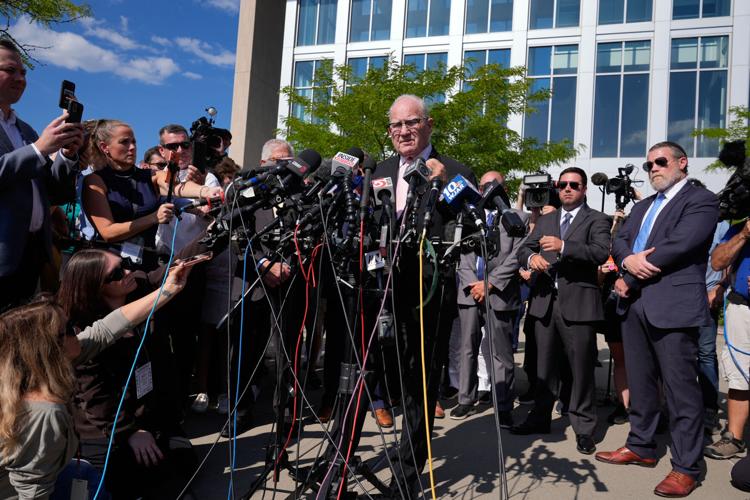
Prosecutors have yet to decide whether to retry Clancy, Plymouth County District Attorney Timothy Cruz said after the hearing. They could choose to retry her on first-degree murder charges or seek to try her only on lesser charges, including second-degree murder or manslaughter, or drop the case entirely.
“We are going to do what we can for the children,” Cruz told reporters outside the court. “That is what this case is about.”
Legal wrangling over the holdout juror is also unresolved
Clancy's attorneys have also asked the judge to dismiss the criminal case. Among other things, they have argued that the judge should have ousted the one juror who favored a murder conviction after the jury foreperson complained he was refusing to listen to the law on reasonable doubt.
The juror, Michael Desronvil, has said through his lawyer that he had no doubts about his stance. Desronvil told Fox News’ “Hannity” in a brief video statement on Monday that “the whole focus has been on me, but we want to reel everything back and put the focus on the three angels,” meaning the children.
Clancy's high-profile case is still capturing people's attention
The livestreamed trial generated intense public interest and drew attention to maternal mental health after childbirth. About a dozen Clancy supporters, most dressed in pink, stood outside court Tuesday waiting for her to arrive.
Clancy remains charged with murder and is expected to stay at a psychiatric hospital until her case is resolved.
Clancy could have been sentenced to life in prison if convicted of murder. If acquitted, the judge could have ordered her confined to a mental health facility.
Peltz reported from New York.

(0) comments
Welcome to the discussion.
Log In