


Congressman Mike Simpson doesn’t want to have to ask someone permission to cross their private property to get to his favorite fishing hole or hunting spot. And he’s pretty sure most Idahoans don’t want to either.
That access may be at risk as federal lawmakers look to negotiate a budget and pay for sweeping tax cuts.
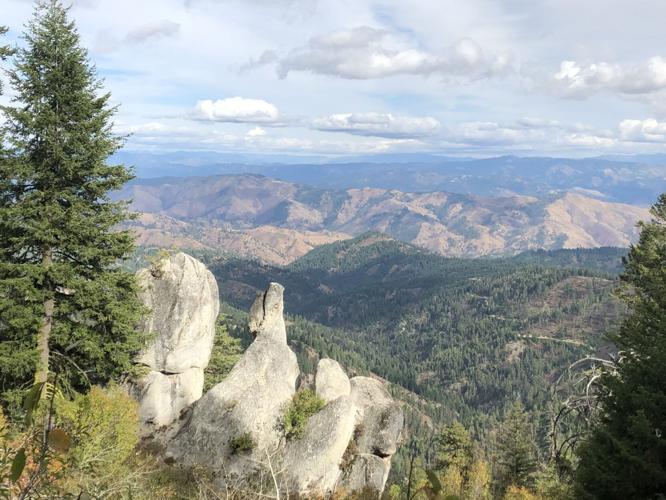
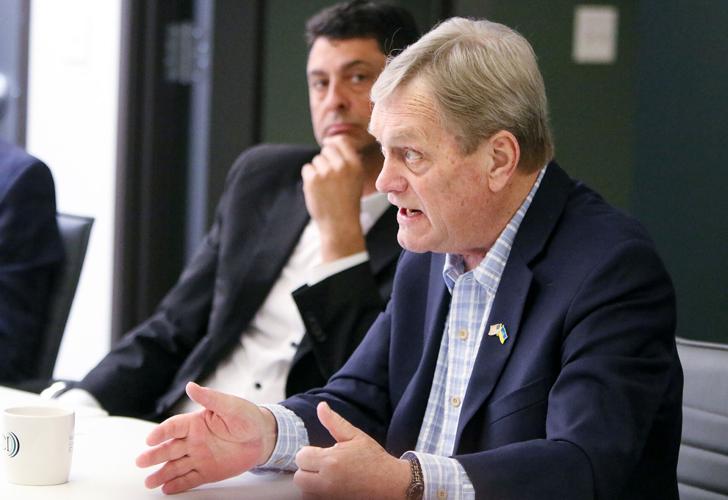
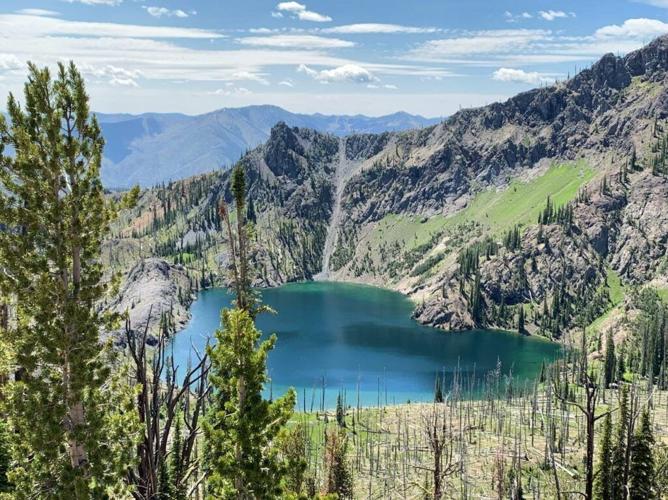
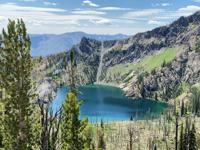
“One of the main reasons we live in Idaho is because we love our public lands,” Simpson told the Idaho Press in a phone interview. “We like to have our access to our hunting grounds, our fishing holes or where we like to hike or recreate outdoors.”
Simpson said that is why he signed on as a co-sponsor to the bipartisan Public Lands in Public Hands Act, which would protect most land from sales or transfers and require congressional approval for sales of parcels larger than 300 acres and water-adjacent parcels larger than 5 acres.
The act — sponsored by Montana Republican Rep. Ryan Zinke, the former secretary of the interior during the prior Donald Trump administration, and New Mexico Democratic Rep. Gabe Vasquez — was referred to the Subcommittee on Forestry and Horticulture in February and awaits further action.
However, some House Republicans late Tuesday night added to the budget reconciliation bill a provision that would sell off thousands of acres of federal lands in Nevada and Utah. The House Natural Resources Committee approved the amendment in a 24-19 vote, with Idaho Rep. Russ Fulcher voting in favor.
There had been talk among lawmakers about trying to sell off federally owned land to help improve the federal deficit, Simpson said, but most thought the idea had been tabled until the late-night vote on a 33-page proposal.
“I’ve got a problem with that,” Simpson said of the proposal. “I need to look at the details of it to see exactly what’s being proposed. It causes me some concerns that it sets a precedent and that bothers me a little bit.”
Zinke and Vasquez announced Wednesday morning they are leading a new bipartisan Public Lands Caucus intended to protect and expand access to America’s public lands, the Associated Press reported. Simpson is also a member of the new caucus. He said the Wednesday news conference, which happened hours after the vote on the amendment, was scheduled before they knew that proposal to sell off land would be brought forward.
Nearly two-thirds of Idaho’s landmass is federally owned and managed, including forests, campgrounds, parks and access to lakes and rivers. The management of that land, especially the forests that have been at the heart of recent active wildfires, have been a point of contention by elected officials in the state.
Last summer, Gov. Brad Little bemoaned that fires on federal lands were far less contained than those on state land.
Asked for comment on the issue, Little’s office said the governor supported the new presidential administration and wanted to keep public lands publicly accessible.
“Governor Little has long supported access to Idaho’s public lands that are essential to our way of life,” Little’s press secretary Joan Varsek wrote in an email. “Under the previous administration, Governor Little had great concerns about how federal lands and fires were managed, but with the Trump administration we have a new landlord that is prioritizing better coordination with the State of Idaho to promote healthy lands, revitalized rural communities, and reduced fire risk. Governor Little looks forward to working with President Trump to improve Idaho’s public lands.”
State lawmakers also questioned Idaho State Department of Lands Director Dustin Miller — who works closely with federal agencies to fight wildfires together — about the management of fires on Idaho’s federally owned property.
Idaho Attorney General Raúl Labrador filed a court brief last year in support of Utah’s petition to the U.S. Supreme Court to allow the neighboring state to gain control of undesignated lands owned by the federal Bureau of Land Management.
The high court declined to take the case, but Labrador wrote in a letter supporting his position on the issue that he would continue to “fight to preserve public access to Idaho lands by keeping those decisions out of federal hands. I am also unshakeable in my belief that those lands will be managed best by Idahoans, rather than a faceless bureaucracy in Washington, D.C. where political whims shift with the wind.”
He underscored that far more federally owned land burned than state-owned that year.
Idaho manages about 2.5 million acres of endowment land, while federal agencies oversee around 34.5 million acres of land in the Gem State.
Labrador also said that environmental groups’ fear was unfounded that the state would privatize land, noting that the Idaho Department of Lands had in the previous nine years purchased 54,00 acres of timberland and sold 324 acres.
The idea of states taking control of federal land isn’t new.
Simpson said around 20 years ago he heard Idaho legislators discuss wanting to take over management of federal land, but saw that local governments would lose PILT (payment in lieu of taxes) and Secure Rural Schools money that the federal government pays to offset lost property tax money from federal lands.
The congressman said he also asked the Congressional Research Service to prepare an estimate on the costs to manage the land and fight wildfires.
“The Legislature looked at that at that time and said, ‘Wow, we can’t afford that,’” Simpson said. “It would come at a huge cost to the state of Idaho.”
John Robison, public lands and wildlife director at Idaho Conservation League, also thought the shifting of federal lands to state management would be a perilous course for public access. He said the high costs may incentivize selling off the land.
Since statehood, Idaho has sold off approximately a third of state endowment lands, Robison said.
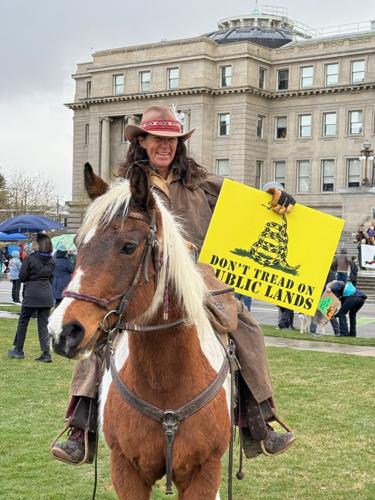
“What we’ve seen time and time again, is that whenever that happens, that trailheads get replaced by ‘no trespassing’ signs,” he said. “State management is a slippery slope to privatization, simply because the state cannot afford to pay for the firefighting costs and other management costs and would be forced to sell them off.”
Simpson noted that there was merit to discussion on managing forest land better to prepare for fire seasons and said he wants to push for meeting timber goals in national forests, but that it will continue to be a challenge.
Asked if that increased management would be difficult with the recent mass terminations of some federal land managers, Simpson responded “probably.”
“That’s something we’re going to get into when we start holding budget hearings with the Forest Service and Department of the Interior about what their intentions are with the reduced stuff and how that’s going to work out,” he said.
Simpson said Congress’ job was to continue to look at that management to ensure federal agencies are being “good neighbors,” but he said, “Frankly, we’d complain about it no matter who was managing them, because we’re all Monday morning quarterbacks who could do better.”
Like Simpson, Robison said he’s concerned about the precedent it would set if the amendment selling the land in Nevada and Utah is approved. He highlighted that there are narrow provisions in existing regulations that allow for the sale of federal lands when needed.
“We think that’s going to be a permanent loss for the American public,” Robison said, “and certainly Nevada and Utah, and if this trend continues, it could be West-wide.”


(0) comments
Welcome to the discussion.
Log In