

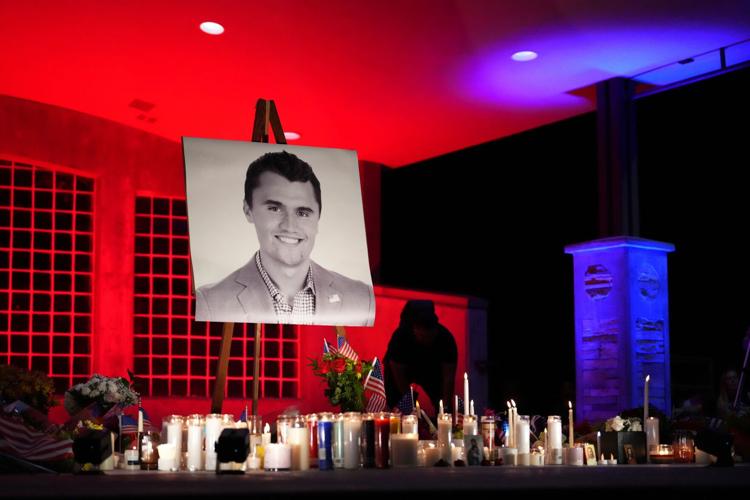
PROVO, Utah (AP) — The murder case against the Utah man accused of killing Charlie Kirk last year is headed for trial, and the defendant could face the death penalty if he’s convicted.
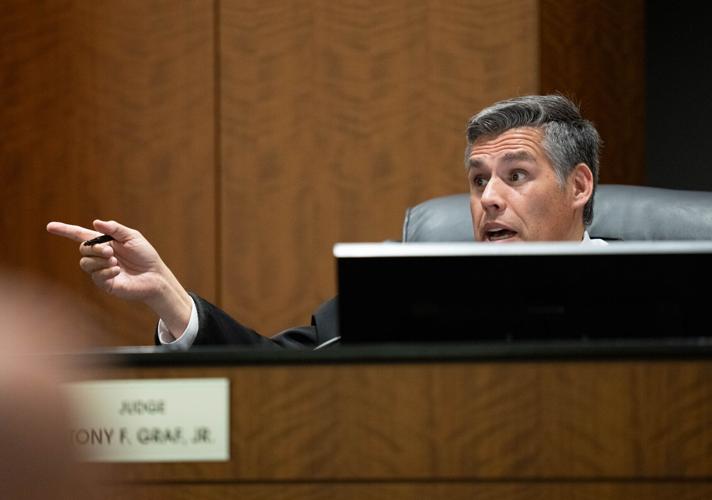
Utah District Judge Tony Graf on Tuesday sided with prosecutors who said they had “a mountain of evidence” that defendant Tyler Robinson fatally shot the conservative activist as he spoke to a crowd of thousands at Utah Valley University last September.
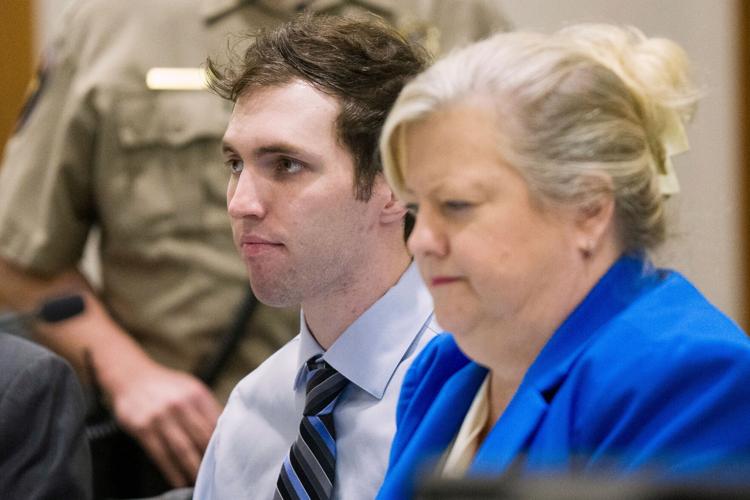
Robinson pleaded not guilty to all counts, including aggravated murder, following Graf’s decision. The 23-year-old defendant turned himself in a day after the shooting, and his lawyers have not offered alternative theories for Kirk’s death.
The defense team tried to block a trial or at least take the death penalty off the table, arguing that prosecutors failed to show Kirk’s shooting placed others around him at risk of death. That’s an aggravating factor under state law that makes Robinson eligible for capital punishment.
Kirk's family called the ruling “an important step in our family’s pursuit of justice.”
“Every step in this process carries the weight of all that Charlie’s murder has taken from his family, especially his children who will grow up without their father,” they said in a statement.
Prosecutors said Robinson shot Kirk from a rooftop more than 400 feet (122 meters) away, knowing he could have missed and killed others at the open-air event.
“Tyler James Robinson shot and killed Charlie Kirk because he disagreed with him, and he did it by firing a high-powered rifle into a crowd of over 3,000 people, which created a great risk of death that anyone would know about,” said Ryan McBride, a prosecutor with the Utah County Attorney’s Office.
Graf had the option to send the case to trial on a lesser charge of murder, which carries a minimum sentence of 15 years and a maximum of life in prison. He said his decision to approve the aggravated murder charge was based on the positions of several people in and around a tent where Kirk was speaking, among other factors.
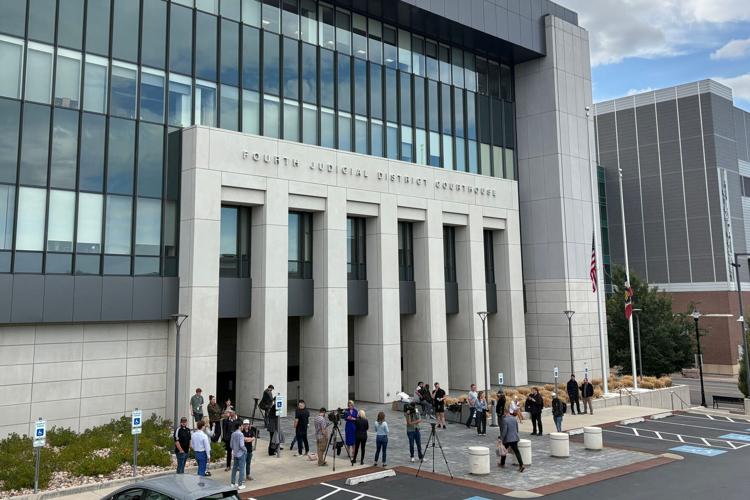
Heavy security surrounds the courthouse
The hearing Tuesday in state court came after prosecutors in July spent five days presenting evidence, including DNA and a handwritten note they allege Robinson left for his romantic partner that read, “I had the opportunity to take out Charlie Kirk, and I took it.”
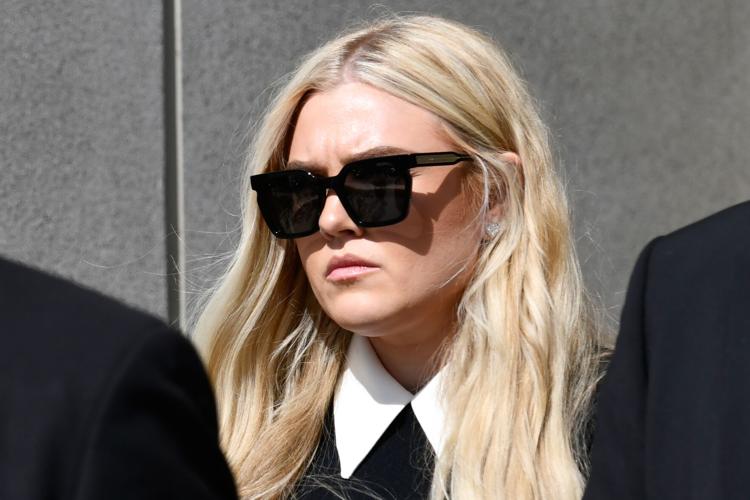
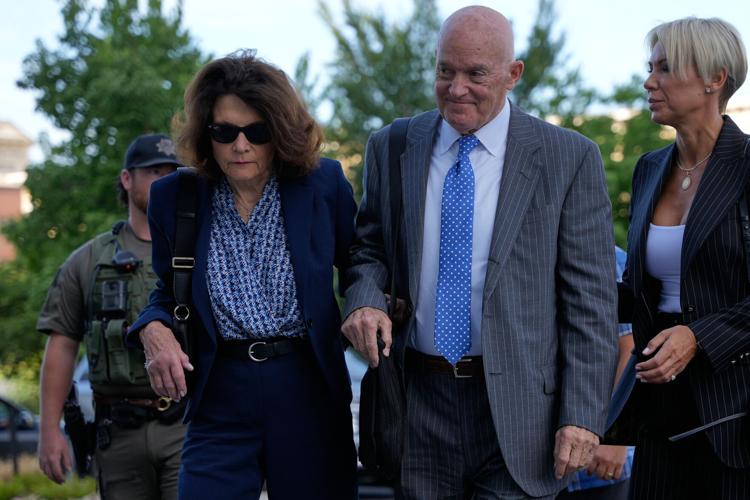
Kirk’s parents, Robert and Kathryn Kirk, entered the heavily secured courthouse arm in arm before the hearing in Provo. His widow, Erika Kirk, was seated beside them. The family stepped out briefly while a prosecutor described the shooting. Erika Kirk and her mother-in-law held each other in a long embrace while the judge read his ruling.
A few dozen local members of Charlie Kirk’s organization, Turning Point USA, assembled outside the courthouse Tuesday evening to watch the family leave and express support.
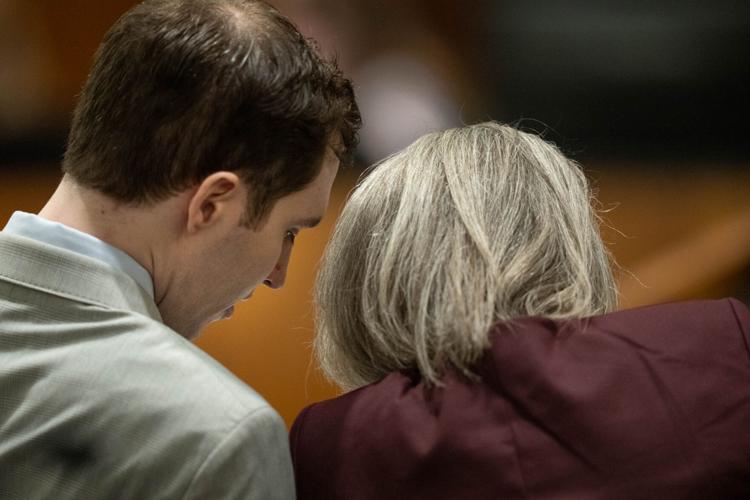
Robinson had no visible reaction to the ruling. Tears welled in his mother’s eyes as Graf read it aloud.
Defense says others were not endangered
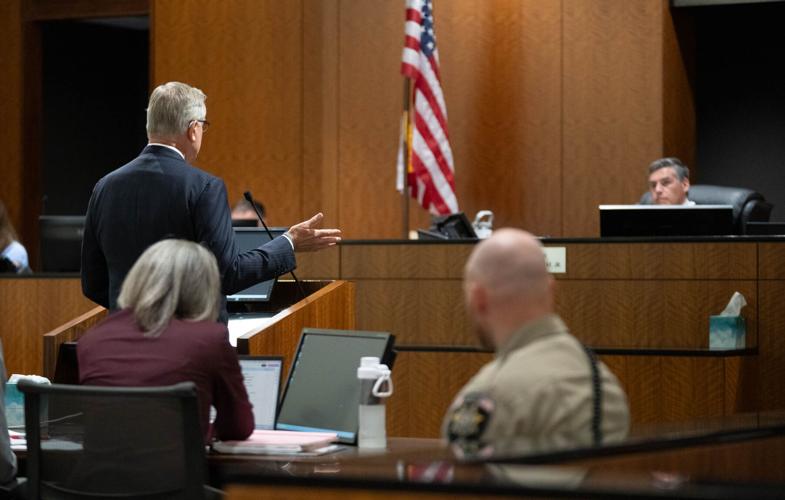
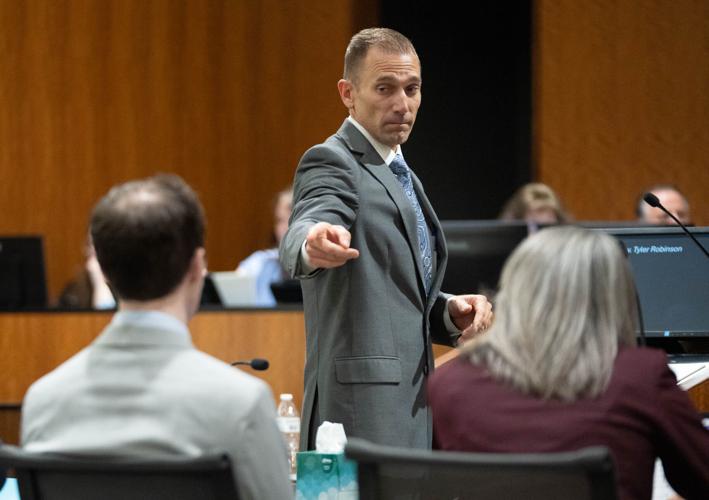
Staci Visser, an attorney for Robinson, argued that prosecutors were trying to “shoehorn” the case into Utah's aggravated murder statute. Prior case law required prosecutors to show that there was a high probability — not merely a possibility — that other people could have been killed, she noted.
Kirk was seated on a stage in an elevated position, not immediately near anyone else, when he was shot once in the neck, she said.
“There is one shot. There is one bullet. There is one victim,” Visser said. “There is zero evidence that there was any action taken towards other people.”
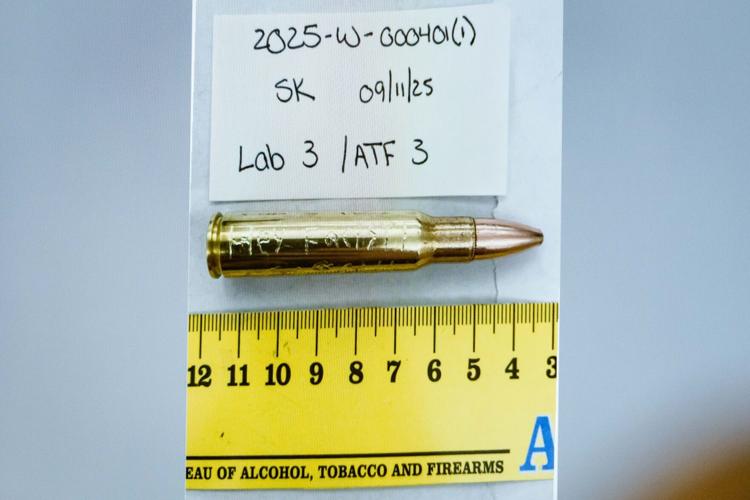
Prosecutor Chad Grunander noted that the alleged murder weapon — a bolt-action rifle — was loaded with additional rounds that had not been fired, saying Robinson “came prepared to shoot again.”
Investigators presented DNA analyses in July that they said linked Robinson to the rifle and a tool he allegedly used to engrave the bullet cartridges. Defense attorneys questioned the reliability of the DNA tests.
Prosecutors allege a political motive
Robinson also faces potential sentencing enhancements if prosecutors can show he targeted Kirk for his political beliefs.
Before his death, Kirk and Turning Point USA galvanized the conservative youth vote to help President Donald Trump win a second term.
Prosecutors argued that a bullet found in the rifle, engraved with “Hey Facist! CATCH!”, shows that Kirk was targeted for how the defendant perceived his politics. They have also alleged Robinson wrote in a text message about Kirk: “I had enough of his hatred. Some hate can’t be negotiated out.”
Defense attorneys argued that prosecutors do not have strong enough evidence to prove a political motivation.
Johnson reported from Seattle. Associated Press writer Matthew Brown in Billings, Montana, contributed.

(0) comments
Welcome to the discussion.
Log In