

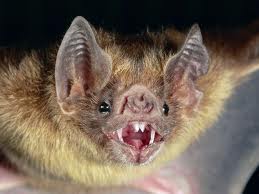
BOISE — A bat found in a northern Idaho home tested positive for rabies last week, which has prompted public health officials to remind people to ensure their dogs, cats, ferrets and horses are adequately vaccinated against rabies. This is the first report of a rabid bat in the state in 2013.
Idaho Department of Health & Welfare officials say bats are detected in Idaho every year — that no area of the state can be considered rabies free. They strongly urge people to exercise caution around bats.
“People should call their health care providers immediately if they have been bitten or scratched by a bat. Medical therapy administered to people after an animal bite is extremely effective in preventing rabies,” says Deputy State Epidemiologist Dr. Leslie Tengelsen. “It is extremely important for people to avoid bats or other wild animals that appear sick or are acting aggressively or abnormally.”
Rabies is a fatal viral illness found in humans and other animals. Household pets and other animals can be exposed to the virus by playing with sick bats that can no longer fly.
People who wake up from sleeping and find a bat in their room might have had an exposure without realizing it. The teeth of a bat are very small and people are sometimes bitten in their sleep without feeling it. Any bat found in a home should be tested for rabies if there is any suspicion that an exposure to a person or pet might have occurred.
To protect yourself and your pets, follow these tips:
·Do not touch a bat with your bare hands.
·If you have had contact with a bat or wake up to find a bat in your room, seek medical advice immediately.
·If you come in contact with a bat, save it in a non-breakable container if it is alive, or sealed and double-bagged in clear plastic bags without touching it if it’s dead. Call your public health district to determine whether testing the bat for rabies is indicated. If it is determined that you or your pet may be at risk of exposure to rabies, testing of the bat is a free service.
·Always vaccinate your dogs, cats, ferrets, and horses — even indoor pets could be exposed to rabies if a bat gets into a home.
·Bat-proof your home or cabin by plugging all holes in the siding and maintaining tight-fitting screens on windows.
·Parents should teach their children to avoid bats and to let an adult know if they find one.
For more information, visit http://www.rabies.dhw.idaho.gov
For information about bat-proofing your home, see
http://www.cdc.gov/rabies/bats/management/index.html
While most bats are harmless, and do not carry rabies, they are the only animal in Idaho that is a natural reservoir for the virus, officials say.

(0) comments
Welcome to the discussion.
Log In