








CALDWELL — In August of 2020, Deborah Kraft had been walking with her friend in a Caldwell park for no more than five minutes when she spotted a barefoot young woman who told her “I'm going to die today.”
Human trafficking is a crime that is instilled through various types of fraud, force or coercion to obtain a type of sex act. Manipulation, threats, blackmail and grooming are all ways that predators keep victims in their line of abuse.
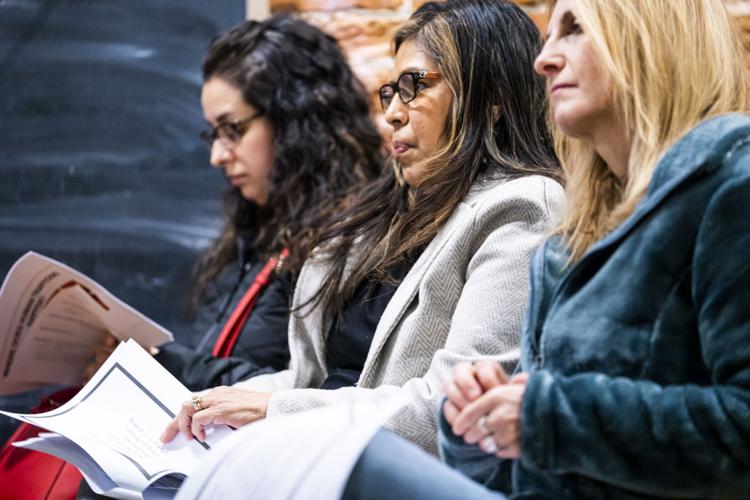
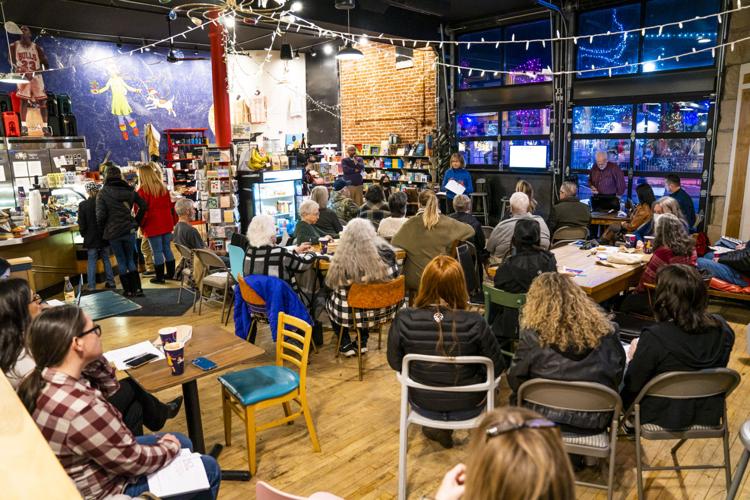
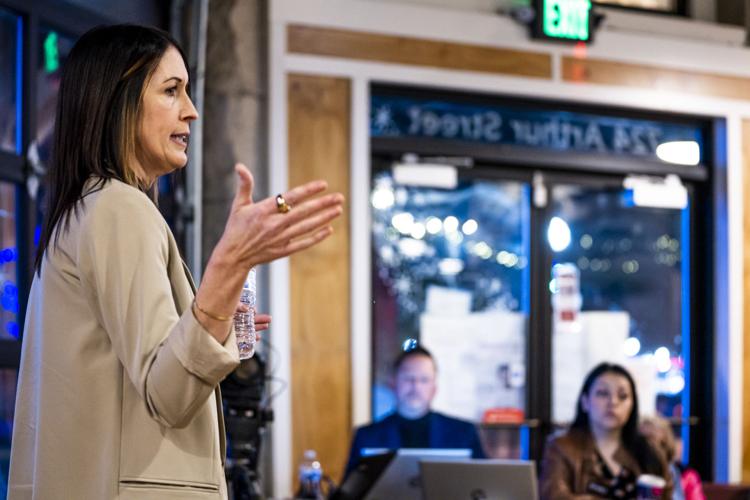
The Idaho Anti-Trafficking Coalition hosted a training on Jan. 12 in Caldwell, where they highlighted what trafficking looks like, how Idaho is involved and what to do if trafficking is suspected.
Kraft, during the training, said she and her friend walked the young woman to the nearest parking lot where the woman said she was from the east coast. The woman had gotten on a plane to meet a man at a hotel in California. From there, she was flown to Idaho.
“She said she missed her mom. She couldn’t talk with her anymore on the phone," Kraft said. "She started to cry and said she wanted to go home."
Kraft called the police, who came to talk with the young woman. They would eventually take her to the hospital, and told Kraft they planned to find her family.
“The officer told us there had been an uptick in trafficking in the area,” Kraft said. “This woman’s name had come up in the database of missing persons.”
Kraft said she peered into the police car where the young woman looked exhausted, and Kraft said her goodbyes.
“As time went on, I couldn’t get this experience out of my head,” Kraft said.
Jennifer Zielinski is the executive director for the Idaho Anti-Trafficking Coalition. Zielinski launched the nonprofit in hopes that a state-wide approach to trafficking can make a difference in Idaho. She has worked with the Idaho Legislature to sign anti-trafficking bills into law.
Zielinski explained that most agencies don’t always have human trafficking as a main priority, even though it can be seen nearly everywhere — online, through dating apps or gaming apps, through false promises of another job or safety in another city. These predators are individuals who choose to exploit someone’s situation, Zielinski said, and then sell someone who is typically underage to third or fourth party buyers for their own sexual pleasure.
“If we do not create environments like this where we are putting out there that we want to fight against this crime, then we are going to continue breeding it, continue allowing it to happen. We have individuals that are showing up, going to work every day. They're victims,” she said.
“They're in our schools, in our communities. We're missing it."
In Idaho, 27.2 percent of trafficking survivors self-identify that they have been trafficked in or outside the state, according to Idaho ATC.
There were 9,342 calls made for direct assistance involving human trafficking between Jan. 1, 2020, and Dec. 31, 2021, according to the Idaho ATC.
Additionally, nearly 2,000 emotional support and safety services for trafficking survivors were provided by the IATC from July 1, 2020, to June 30, 2021.
Zielinski said in Idaho, there are kidnappings, but they just don’t happen as often as some see on television. Online grooming happens very often, she said.
There are things to look for, Zielinski said, but it could be as simple as thinking, “things just don’t look right.”
If someone believes they have encountered human trafficking, they are told to not confront the suspected trafficker, but rather write down a description of what is seen and heard and contact law enforcement immediately.



(0) comments
Welcome to the discussion.
Log In