

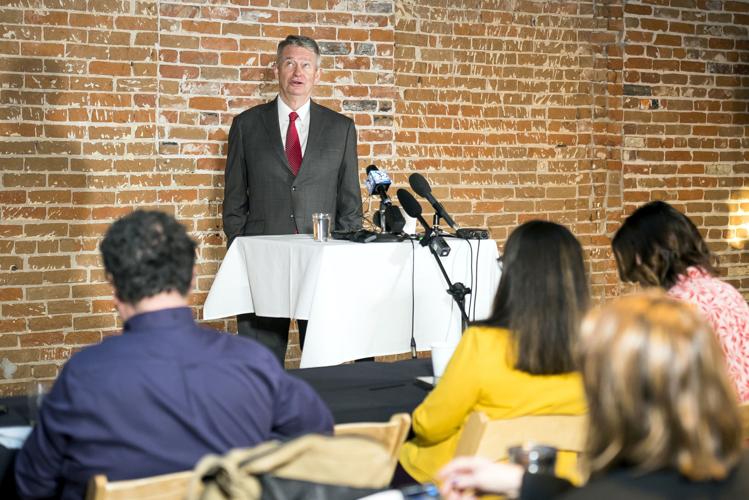
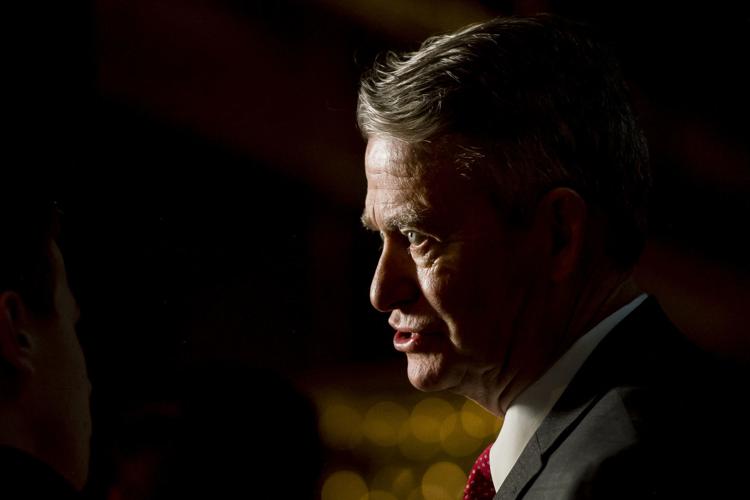



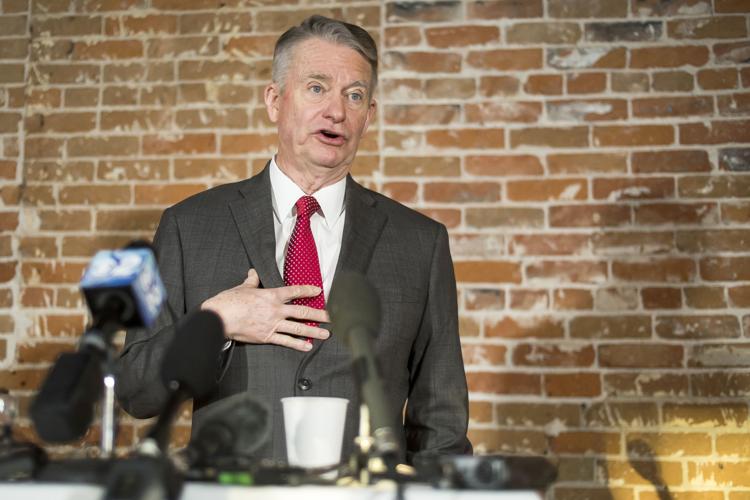

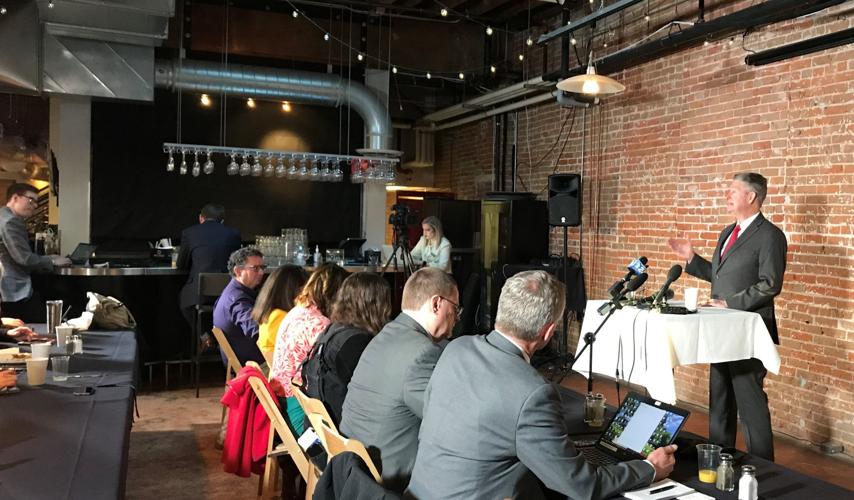
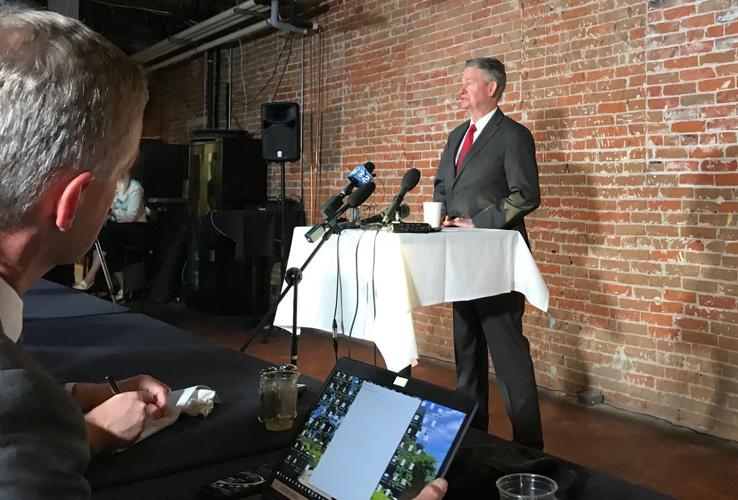
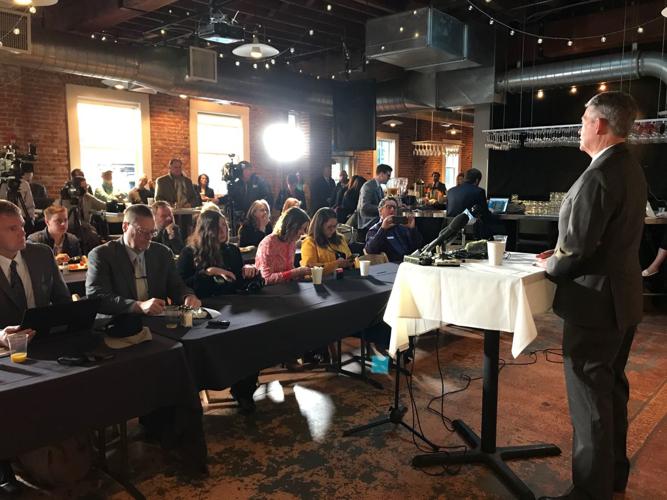
BOISE — Idaho Gov. Brad Little predicted Wednesday that the property tax freeze bill that’s now pending in the House will never reach his desk.
That bill, from House Majority Leader Mike Moyle, R-Star, “was moved to get everybody at the table and to have the discussion,” Little told reporters. “The Legislature, a lot of ’em recognize that that’s not necessarily a problem everywhere. It’s a problem in areas where there’s explosive residential growth. I think having the discussion is good. This goes back to my teacher pay issue: A lot of those property tax issues are because of all the supplemental levies being passed.”
The bill, which is strongly opposed by local government officials in Idaho, would freeze the property tax portion of city, county and other local government budgets for a year. Officials told a House committee at a hearing that the move wouldn’t actually grant relief to homeowners, but would severely crimp services in fast-growing Idaho cities and in rural counties with pressing needs. It is currently scheduled for a debate and vote in the House as soon as this week.
Little, who gave his annual address to the Idaho Press Club on Wednesday and answered questions from reporters, said, “There are taxing districts where, whether it’s the commissioners or the city or whoever it is, have been very, very frugal about what they’ve done, and all of a sudden we’ve got a growth in economic activity. Why would you penalize them, that were conservative all along?”
“I remember the 1 Percent (Initiative) and what happened as a result of the 1 Percent,” the governor said. “We had a proliferation of taxing districts.”
The Idaho One Percent Property Tax Initiative passed in 1996; it was patterned after California’s property tax-limiting Proposition 13, but that state’s approach violated the Idaho Constitution, which requires like property to be taxed alike. Idaho lawmakers reacted by imposing budget caps on local governments.
“So you’ve got ambulance districts and you’ve got recreation districts and you’ve got sewer districts, because the city was capped,” Little said. “And when you do these things … you need to look at the unintended consequences of what will happen. Do we really want more taxing districts?”
When Little was asked if he’d sign the tax freeze bill if it came to his desk, he responded, “I’d have to see it,” but added, “I do not believe that option will be available to me.”

(0) comments
Welcome to the discussion.
Log In