


BOISE — Crowded streets and hasty drivers have set a new norm as the Treasure Valley’s population has continued to boom.
To counter these growing pains, the city of Boise has placed an emphasis on traffic enforcement over the past year. In 2025, the Boise Police Department increased traffic stops by 34 percent. “We were hearing from so many residents, and I’ve experienced it myself, and you probably have too, that people need to slow down,” Mayor Lauren McLean told the Idaho Press.
McLean credited the increased traffic stops to BPD Chief Chris Dennison.
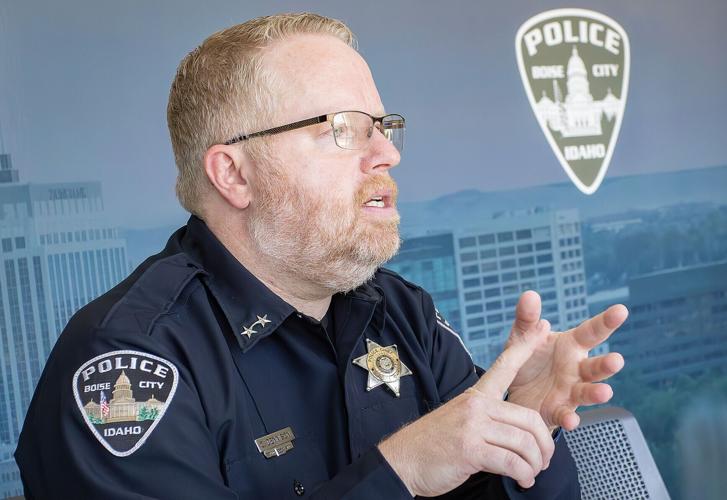
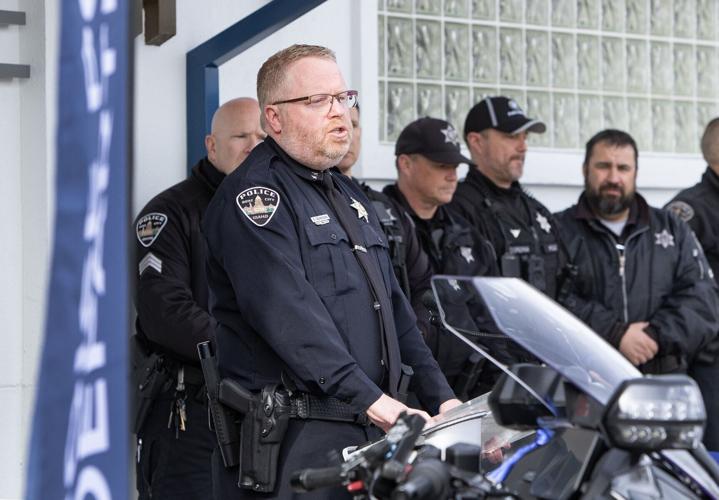
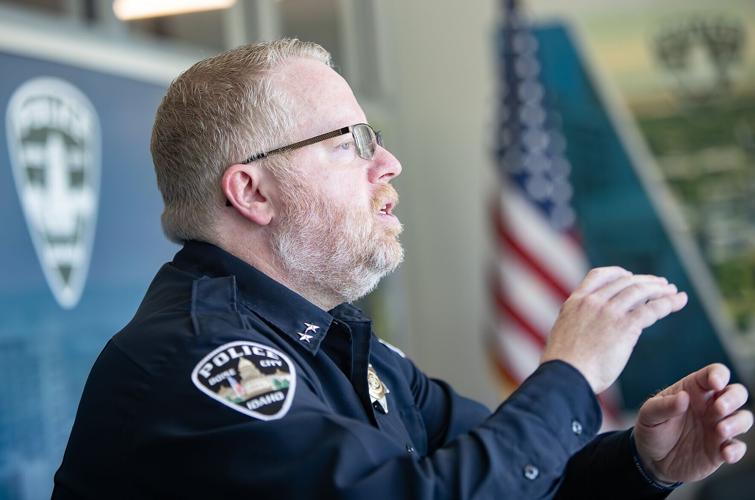
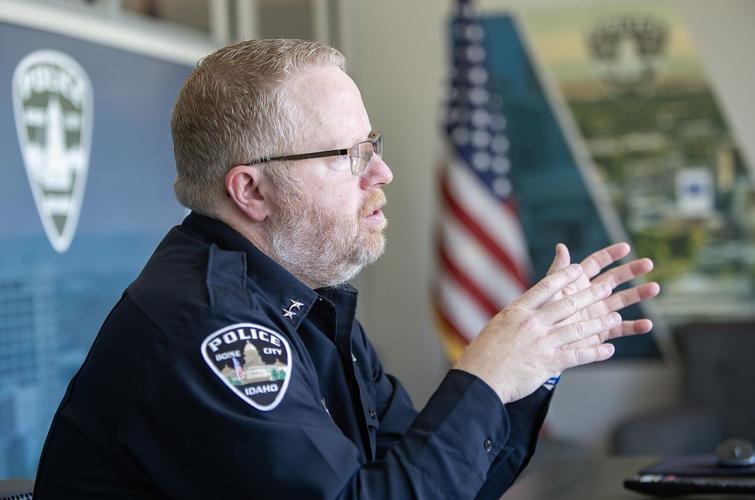
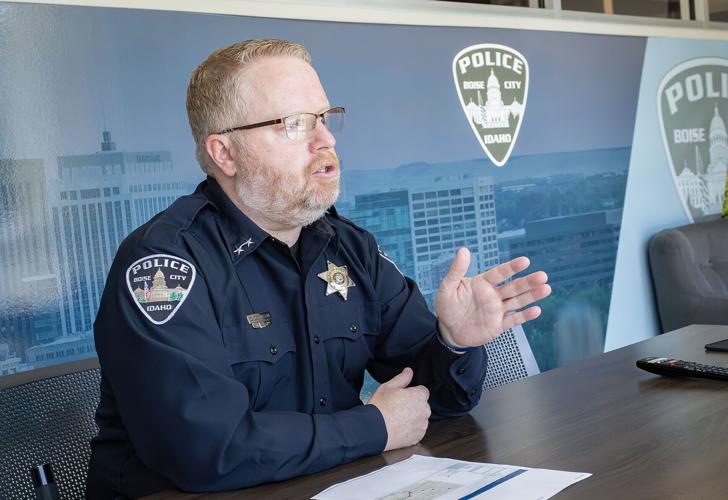
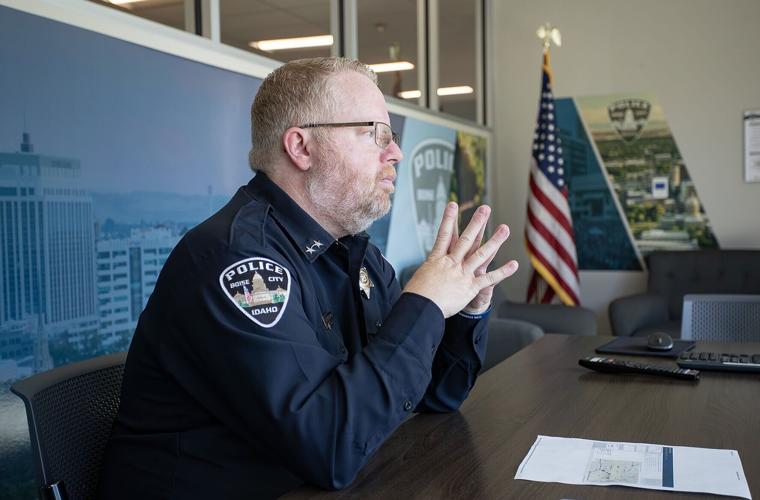
Dennison was sworn into his position in the fall of 2024. He relocated from the Tucson Police Department in Arizona with 20-plus years of experience under his belt. Boise has become familiar to him, but some days he’s reminded that he’s a newcomer.
“Sometimes it feels like a long time, sometimes it feels like just yesterday,” Dennison told the Idaho Press, sitting at BPD’s main office.
With concerns of speeding, running red lights and distracted drivers, the BPD has placed an emphasis on proactive patrolling. Continuing into the first quarter of 2026, the department has had 43 percent more traffic stops than last year.
Dennison said that the increased traffic stops come from reprioritization within the department. According to him, the BPD does not have a traffic-violation quota for officers to meet.
“He made it a priority of the department,” McLean said about Dennison. “He’s worked with officers on the line to make it happen.”
The BPD is focusing on hazardous traffic violations, like drivers running red lights.
Areas of concern include high-traffic corridors including Chinden Boulevard, Fairview Road and Ustick Road. Dennison said part of the department’s efforts include collaboration with the Ada County Highway District.
“A lot of it is just looking at the population growth of the city of Boise and Treasure Valley over probably the past eight years,” Dennison said. “It’s grown so exponentially, and it’s hard for infrastructure to keep up with that, so you know, traffic enforcement’s a way to mitigate.”
Boise’s monthly traffic ranges between 800,000-950,000 vehicles, according to Dennison.
During the valley’s growth, the department observed an increase in the number of fatal car accidents. At the same time, Dennison said the BPD was understaffed.
“We were just so far below authorized staffing and there was a lot of efforts, before I even came in here, to get BPD up to full staffing,” he said.
Along with adding staff, patrol officers’ hours are now broken up to prioritize both reactive and proactive policing. Their schedules are now 60 percent dedicated to reactive policing, meaning this time is used to respond to 911 calls. The remaining 40 percent is meant for them to patrol, make traffic stops and follow up on community concerns.
The department has since seen a decrease in fatal accidents and flatlining rates of accidents in general.
During the COVID-19 pandemic, Dennison said the BPD reduced much of its proactive patrolling and interactions with the public. As the pandemic died down, the department didn’t fully bring back its previous practices.
“There was a lot of pullback from policing in general, doing that proactive work, so it was just re-engaging,” he said.
Dennison hopes to better connect with the community through patrolling. It’s often as simple as showing your face.
“There’s a lot of data that shows just having somebody, like a guardian or somebody who’s focused on that safety, moving through an area can dissipate crime,” Dennison said. “Putting cops in areas, being visible and engaging in some level of contact, can actually have other impacts downrange beyond just that traffic enforcement.”


(0) comments
Welcome to the discussion.
Log In