

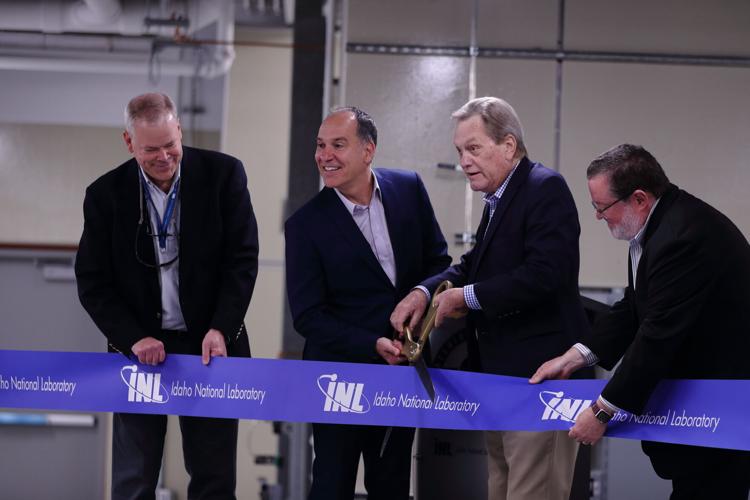


Idaho National Laboratory held a ribbon cutting ceremony for the new Sample Preparation Laboratory Sept 4. The facility will enable building materials to be tested in a radioactive environment, according to officials.
“Fundamental to the safety of nuclear power systems is the reactor core and how it behaves,” INL Director John Wagner said. “What this facility does for us is helps us understand the performance of those materials that keep those reactors safe and operating in the right way.”
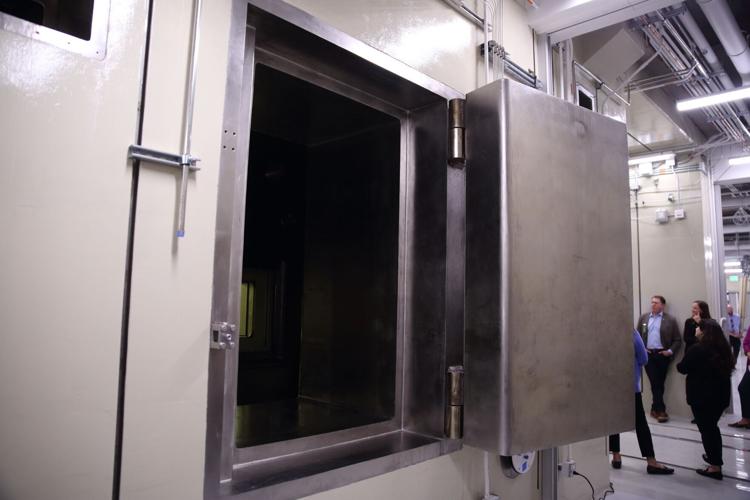
It is the first new hot cell facility — a shielded chamber where highly radioactive materials can be handled safely — built in 49 years at the lab.
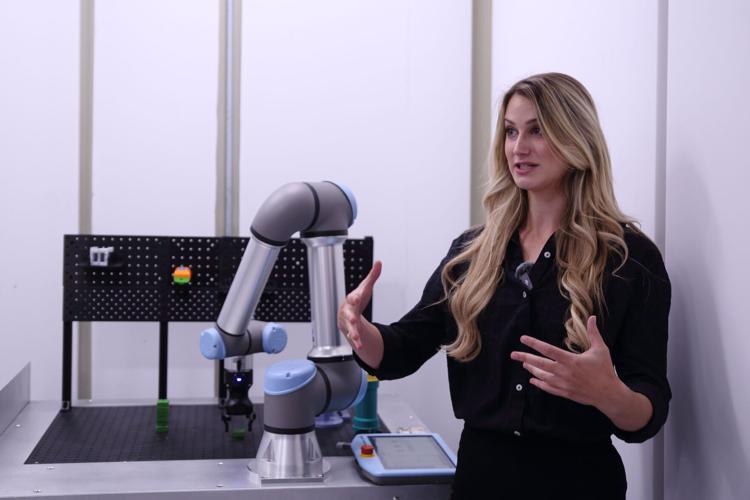
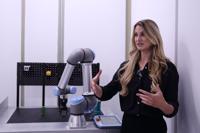
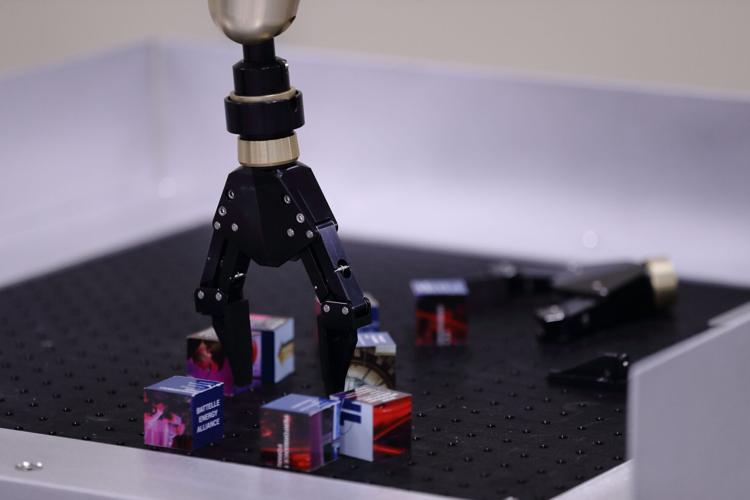
Radioactive materials will be housed behind thick walls and heavy-duty doors. Researchers outside the chambers will handle the materials with large mechanical arms through viewing windows or with robots.
Wagner said the new facility will benefit the nuclear energy field across the country. It will help researchers determine how the 94 reactors currently operating across the U.S. might safely operate into the future, and test advanced materials that will build future reactors.
“This facility fills a much-needed gap for the nation,” Wagner said. “That’s why I’m so excited that we’re here today.”
Officials expect the facility to be in operation in 2025. It will house around 30 operators and scientists with more positions possible in the future.
The facility was first being conceptualized in 2010. Construction on the 49,000 square-foot facility started in 2020. Despite the pandemic, it was still built on time and under the $166 million budget.
U.S. Rep. Mike Simpson, R-Idaho, also spoke at the event. He said his role has just been to advocate for INL to get funding for what they do.
“On time. Under budget,” Simpson said. “We love those sayings.”
Simpson said the Department of Energy can struggle to get the right amount of funding, as its projects are very large and long-term. Construction costs always fluctuate from the original estimates during that time.
He said he is proud to advocate for INL and having this on time and under budget only helps future goals.
“As we see more and more movement towards dealing with carbon in the atmosphere, global warming — those types of things — nuclear energy is going to be the energy of the future,” Simpson said. “And it’s going to be developed right here.”

(0) comments
Welcome to the discussion.
Log In