

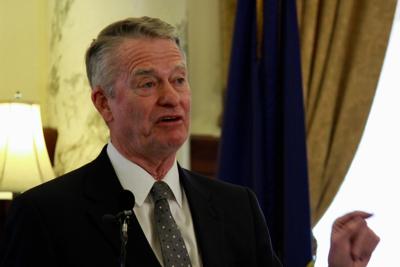

Gov. Brad Little said Thursday he has concerns about the initiative process, but he wants to address it with campaign finance laws and making more information available to voters.
“Maybe they overdrove their headlights a little bit,” Little said of Senate Bill 1159 and a companion House bill.
The bills, among the most contentious of the 2019 legislative session, would have raised the signature threshold from 6 percent of registered voters’ signatures in 18 of 35 legislative districts to 10 percent in two-thirds of the state’s districts, and cut signature-gathering time from 18 to 9 months.
Coming on the heels of last year’s successful effort to expand Medicaid via initiative over the opposition of many Republican lawmakers, the bills led to an outpouring of calls and emails to lawmakers and the governor and extensive public testimony in opposition. Supporters said the bills would have ensured rural Idahoans are represented in the initiative process. They passed the House and Senate, but Little vetoed them.
The Republican governor wrote in his veto message he agreed with the general goals of the bill but worried “the liberal Ninth Circuit Court of Appeals” would strike the bill down. He repeated this to the Post Register in an editorial board interview Thursday, saying he worried such a suit would have led not only to the laws being overturned but Idaho’s current initiative thresholds being declared unconstitutional.
Little said concerns about future overuse of the initiative process drove the effort.
“It’s what takes place in Colorado and California and Oregon,” he said. Little said such states had been rendered “ungovernable” by the over-proliferation of initiatives.
While Little doesn’t think this is a problem in Idaho yet, he said the existing thresholds aren’t the barrier they once were as special interest groups get more sophisticated. He said when he was lieutenant governor and trying to lure businesses to Idaho, he would sometimes talk to companies who didn’t want to locate in some other states since ballot initiatives there would affect their business.
Little said he shares concerns about well-funded out-of-state interests potentially manipulating the process. He said he liked that 1159 would have required a fiscal impact statement and limited initiatives to a single subject. He said he would also like legislation putting tighter restrictions on signature gathering practices and campaign finance laws that ensure people know who is backing an initiative.
“I always would default to transparency over (not) giving Idaho citizens an opportunity,” he said.

(0) comments
Welcome to the discussion.
Log In