


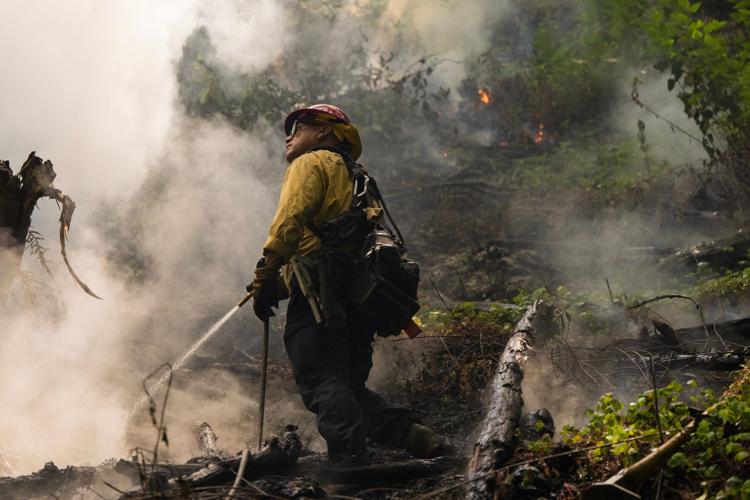
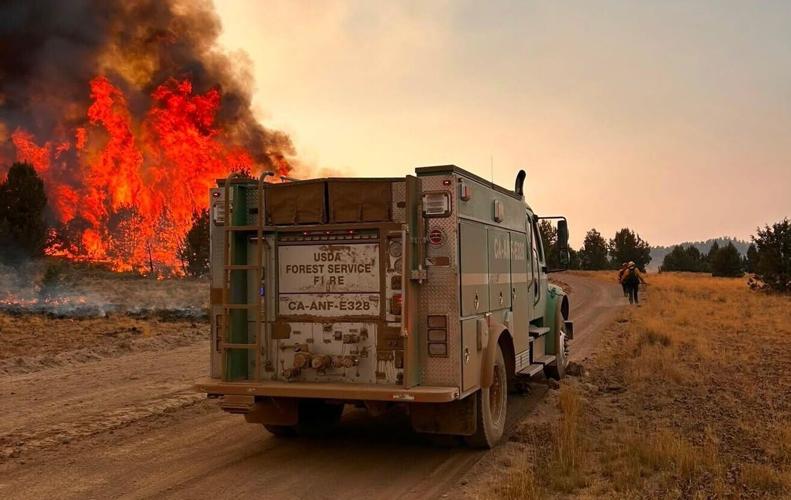
Earlier this summer, three firefighters were killed, and two more were injured in a blaze along the Colorado-Utah border. Earlier this month, two pilots were lost in a helicopter crash over a large Utah fire. We’re in a wildfire season that’s exceeding 10-year averages, and there are still many weeks to go until the first snowfall.

Britt Raybould
By mid-August, 49,418 fires burned more than 7.4 million acres in the United States. Over 2.4 million of those acres burned by May 31. We won’t know the total financial cost of fighting the fires or the property losses for months. But the annual price tag will easily surpass the 10-year average of $3.4 billion. This year, officials requested over $6 billion for the federal wildland budget.
These fires are complicated and often in difficult-to-reach locations that require specialized crews and equipment. The more fires, the fewer frontline personnel available to send to all these hotspots. As part of coordinated efforts in the state, Idaho relies on Timber and Forest Protective Associations, funded by forest landowners and operators. The Clearwater-Potlatch TPA protects almost 1 million acres across federal, state, and private land.
You may also hear reference to Rangeland Fire Protection Associations, like the Owyhee and Henry’s Creek RFPAs, which help protect 9.3 million acres. These groups rely on ranchers trained as firefighters who keep an eye out for blazes in remote grazing areas. Depending on where a fire starts, they often arrive first on scene before any state or federal support.
Many other individuals and organizations provide support to the men and women working hard to protect our communities and state. Idaho must get louder and more proactive about how we fight and manage fires. Too much is at risk to let bad policy go unchallenged. We can build on our experience managing forest and watershed projects on federal lands. Through the Good Neighbor Authority, the U.S. Forest Service authorizes Idaho to oversee specific projects and provide on-the-ground leadership.
We must also improve our efforts to reduce hazardous fuel, including dead and dying trees alongside heavy undergrowth, potentially through a state cost-share program. We know that healthy forests stand a better chance of surviving fires if we reduce fuels that extend fires and increase their severity. We also need to ensure best practices are happening between urban and wildland areas.
Property owners need to keep potential fuel away from buildings and follow guidelines for everything from fire restrictions to burn permits. Mother Nature may produce plenty of sparks. Many of the Western fires this year come from lightning strikes. But, on average, humans still cause most wildfires, and they need to manage their campfires, fireworks and trailer chains. Most infuriating are the people who intentionally start fires without caring about the consequences.
As communities continue to grow and more people move into Western states, the impact of wildfire season will continue to expand. Idaho must keep investing in prevention, management and suppression to protect you, your family and our state. Reach out to your state legislators and encourage them to make these efforts a priority during the 2027 legislative session.


(0) comments
Welcome to the discussion.
Log In