



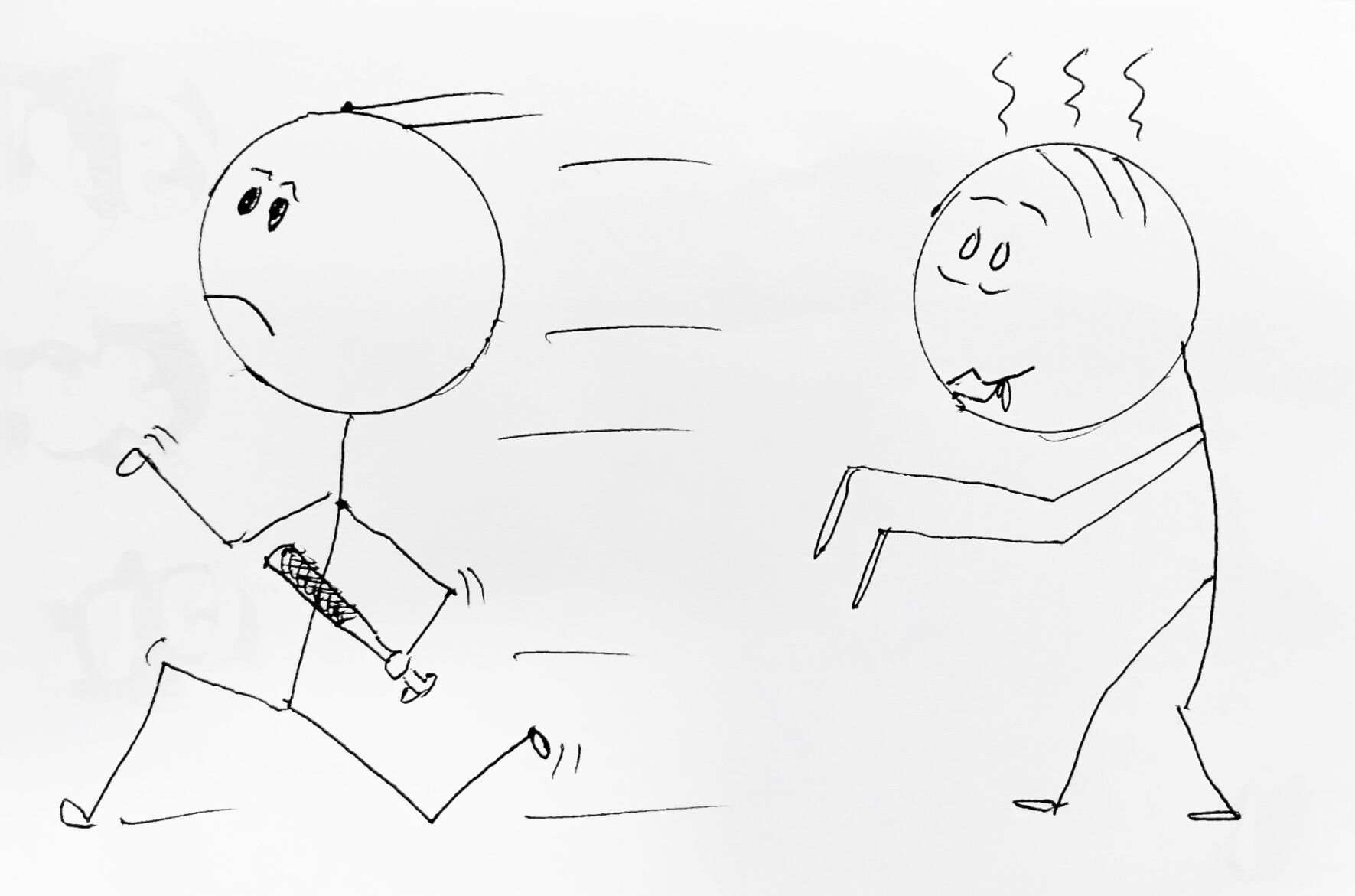

For some reason whenever I start searching through movie streaming services lately, I get a lot of recommendations to watch a pile of juicy zombie movies.
The thought occurred to me that prepping for the upcoming zombie apocalypse and getting quality outdoor gear could go hand in hand. Think of it as a twofer (or what Black Friday was meant to be).
Of course, we all know that Hollywood is one of the best predictors of what’s going to happen to the future of our world. Good backpacking, bike touring, and camping gear can serve us well for playing outside and prep for that day when the zombies show up at the door and it’s time to flee for the boondocks. (I don’t know if this twofer logic will convince your significant other when you go shopping this Christmas. Tell me how it goes for you.)
A good upgrade on your outdoor gear will serve you well the rest of your life. For example, I have sleeping bags and packs that are still going strong after decades of use. The extra initial high cost has been worth it.
With the Christmas shopping season upon us (and zombies coming who knows when), we’ve got some great excuses to get outdoor buddies and family outfitted with good gear.
I’m not talking about baseball bats, machetes or automatic weapons — more along the lines of lightweight, quality necessities such as sleeping bags, tents, cook systems, etc.
If you’re looking for gifts on the budget side, think consumables. Consumables such as freeze-dried meals, a box of snack/energy bars or fuel for pack stoves are always welcome. Other “consumables” might include fishing lures, first-aid kits, quality hiking socks, sunscreen, lip balm, bicycle chain lube, inner tubes, climbing carabiners, climbing chalk and energy gels. These are items I find myself buying before every trip. Your pals or sweetheart will love getting them for gifts. All of these items can store for weeks, months or years before you get around to using them.
If you’re looking for some bigger ticket items, I recommend high-quality, lightweight gear that will last decades, if not a lifetime, and make activities a joy.
Cutting your pack weight by half will encourage beginners and folks not in the best of condition to get out more often.
One way I justify good gear for bike touring or camping/backpacking trips is to compare it to the cost of staying in a motel. A top-shelf sleeping bag, pad and tent can cost several hundred dollars, but using them instead of staying in a motel will easily cover the costs after a few days or a week. (And besides, motels are the first place zombies look for fresh victims.)
If you’re looking for significant weight loss in your camping/backpacking gear, focus on four items: backpack, tent, sleeping bag and sleeping pad.
When shopping for these items, look first at the item’s weight, its quality and how well it will perform. Lastly, steel yourself for the price tag. The lighter the weight, the higher the cost (usually). I shoot for tent, bag and pad total weight coming in at 6 pounds or less. I shoot for a backpack at 3 pounds or less. There are dozens of “experts” on YouTube who have a zillion helpful recommendations.
Also, buy things for your normal usage rather than the occasional extreme usage. For example, if all your outdoor adventures normally happen during the summer, don’t buy a sleeping bag and pad rated for winter situations. It will be overkill and also heavier than you need to carry.
When you get other family members (and yourself) lightweight gear, they are more likely to join you on that trip you’ve always wanted to do in Yellowstone National Park or the Wind River Range.
I remember once outfitting a young daughter with all she needed for our four-day backpacking trip. She put the pack on and said: “That’s it? Are you sure you didn’t leave anything out? It’s so light.”
While 80% of the stuff in outdoor stores is just “stuff,” there are a few things I’ve grown to love over the years that also find themselves in our camp box or pack. Here’s an incomplete list that might also make nice gifts for that outdoor enthusiast:
— Inflatable ultralight pillows.
— Fozzils Snapfold bowls.
— Mini multitool, with scissors, screwdriver and pliers.
— Rechargeable headlamps.
— Tiny plastic bottles for holding small amounts of spices, cooking oil, etc.
— Water purification systems.
— Small packages of dried fruit, beef jerky.
— Buffs, beanies, light gloves for chilly or windy days.
— Moleskin for dealing with blisters.
— Ultralight camp chair.
If you’re leaning more toward prepping for the zombie invasion, head down to the nearest thrift store for some cheap baseball bats, tire irons or golf clubs, and maybe an old helmet to protect your brains. Movies tell me that zombies love to eat brains.


(0) comments
Welcome to the discussion.
Log In