



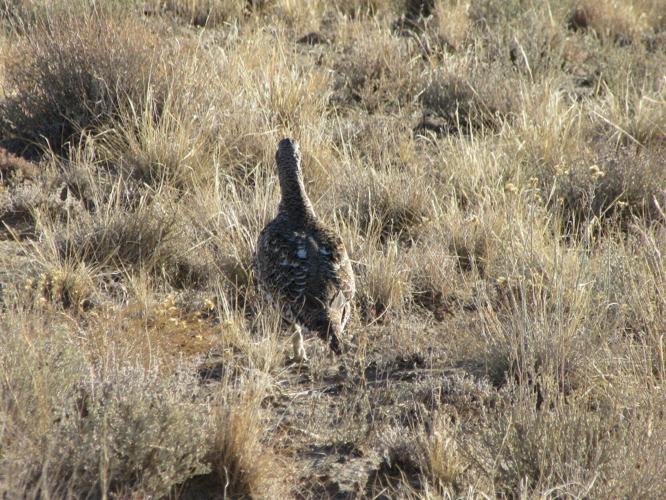
An animal’s habitat is defined by where it lives.
This may seem like a straight forward concept, but it is not. Animals are found where conditions are ideal for their survival, but can occur in locations where their populations can barely persist. Habitat use is determined by interactions with other animals, vegetation, water and climate.
Over the life of an animal, they will utilize a variety of different habitats. The number of animals that can be sustained in an area is not based on optimal conditions but instead the conditions that support the fewest animals. For mule deer in Northern Utah, that may be the winter snow depth while Alberta duck numbers are determined by the availability of breeding ponds in the spring.
One way habitat choices can change over time has been labeled the Landscape of Fear. The best example of this paradigm can be found in Yellowstone National Park.
Forty years ago, elk were primarily found feeding in open meadows and riparian areas. In the late 1990s wolves were reintroduced to the park. As populations of wolves increased, the amount of time elk spent in open areas declined. These open areas had plenty of forage but made elk more susceptible to being detected, pursued and eaten by predators. Over the last decade the park has seen bison numbers increase as they are more difficult for wolves to kill and benefit from the forage elk no longer consume.
While people commonly think of wolves, cougars and bears changing how habitat is used by big game animals, hunters play the same role. Data collected from GPS collared elk across the west provide evidence that on or near the opening day of hunting season, many of these animals move off public and onto private lands. This is especially true of public land with high road density where elk have a hard time avoiding hunters. On private lands, road density is a less important factor determining habitat use if few hunters are allowed on that land.
Big game species alter habitat use throughout a season but other animals are more habitat specific. For example, unlogged sections of burnt forest in eastern Oregon saw high use by black-backed and hairy woodpeckers. In contrast, sections of these same burnt forests that had been logged saw more dark-eyed juncos and fox sparrows. This difference was due to woodpeckers favoring snags (dead standing trees) while juncos and sparrows favored shrubs that grew more quickly once the forest canopy was removed.
How and where timber harvest occurs has changed over the last three decades. These changes are correlated to ruffed grouse population declines across the eastern seaboard states. There are many explanations for these declines that include overhunting and disease, but one reason is there are not enough young forests.
Young dense forests are the habitats that provide the berries, forbs and dense vegetative cover that increases this species’ numbers. Fewer clear cuts on federal and private lands, and more small land owners that do not harvest much timber has resulted in fewer young forests and fewer grouse in the east.
The decline of many animal populations followed the loss of habitat caused by intensive human development. Thankfully, many of this country’s state and national representatives have long had the foresight to set aside and manage lands for fish and wildlife. All one has to do is take the automobile tour through the Bear River Migratory Bird Refuge located in the marshes west of Brigham City in the spring or fall to understand its importance to migrating waterfowl and shorebirds.
The federal government is not the only entity devoted to protecting habitat. This year alone Utah dedicated $3.4 million to help fund 88 projects that improve fish and wildlife habitat across the state. Non-governmental agencies like Ducks Unlimited, Ruffed Grouse Society and the Audubon Society all focus on increasing habitat used by birds.
There is a need to continue to better understand what makes good habitat, not just for game animals but for all species. Protecting and maintaining wildlife habitat plays a role in improving human health. A larger Great Salt Lake will reduce the amount of blowing dust off its dry lake bed which is correlated to more hospital visits and faster melting snow in the spring. At the same time, this change would improve duck and shorebird habitat and potentially reform the island American white pelicans nested on.
These are big actions but everyone can take small actions to improve habitat. For example, planting flowers in the backyard for pollinators protects habitat for many important native bee species. When all these habitat restoration activities are added together, they can benefit fish, wildlife and humans.

(0) comments
Welcome to the discussion.
Log In