

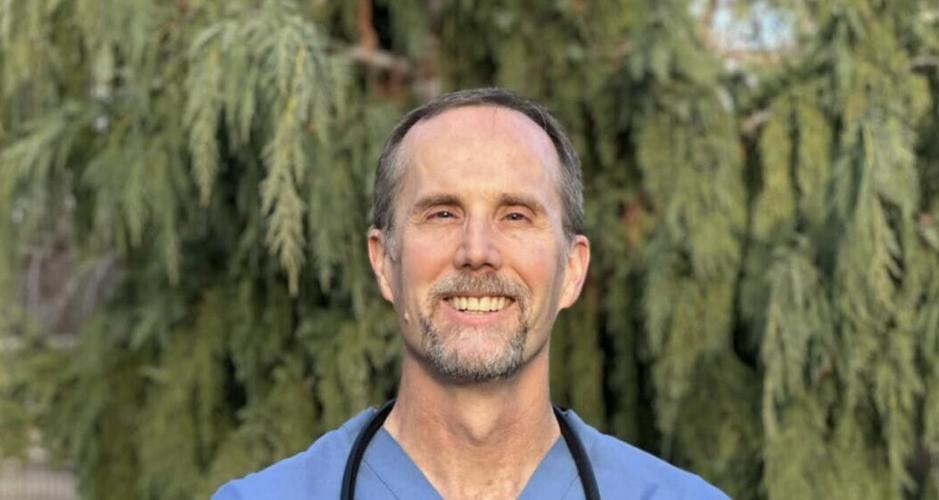

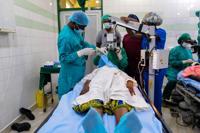
Dr. Stuart Clive is an ER doctor in the town of Weiser, and while he’s caring for his patients there, he’s simultaneously making a difference in the lives of blind people in the far away country of Ghana.
Clive postponed his retirement for one year and is donating his salary to Cure Blindness Project, a global nonprofit seeking to end curable blindness in underserved areas. His gift will help fund the completion of an Eye Care Center of Excellence in Ghana, restoring sight to thousands of people.
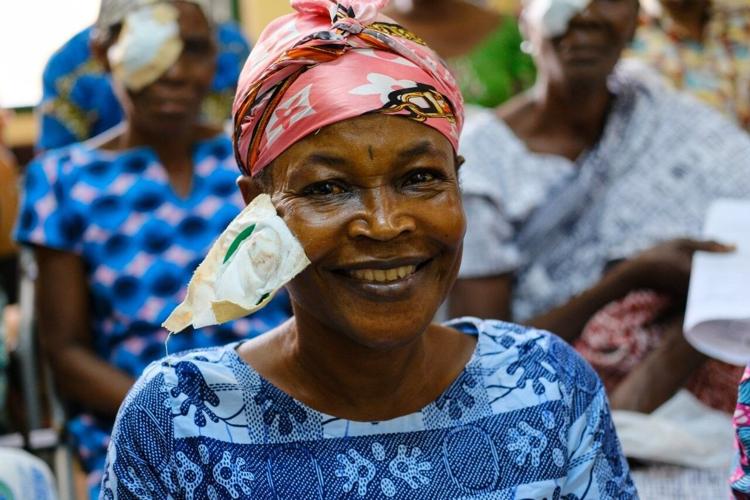
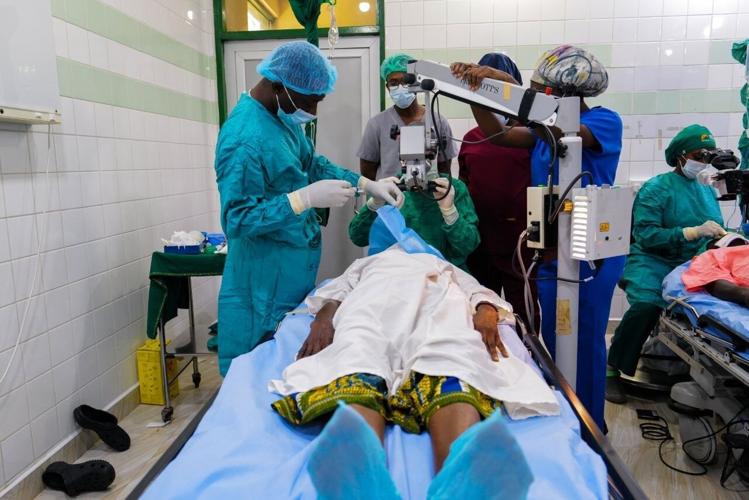
Years ago, a documentary introduced Clive to the work of Cure Blindness. “It was about an ophthalmologist who went to North Korea, and what he did was just amazing to me. He set up his operation and did dozens of cataract surgeries in a day. Over the course of a week, he would cure 100 people or more. And then they showed these people and it was just super impactful to me to realize that there are these people who were blind, and after a 10-minute surgery, their lives are utterly changed.”
Clive did some research into Cure Blindness and has been a fan ever since, making donations over the years. But as he considered retirement and pondered what was next for him, he wanted to do something more to make a difference in the world.
“I considered some different volunteer things, then I realized that the biggest and best impact that I felt I could make was through just continuing to work as I am, but taking that money and instead of using it for myself, giving it to Cure Blindness.”
Clive reached out to Cure Blindness to see if the funds could be dedicated to a particular need. They proposed he help with a hospital in Ghana that was almost complete, but the project stalled when USAID funds were cut. Clive’s contributions will help complete a wing that includes administrative and residency offices and an area for post-op and recovery.
“Dr. Clive’s commitment to donate his salary to the construction of the surgical and training facility in Cape Coast, Ghana, came at an instrumental time as it gave the Project Team the opportunity and confidence to move forward with completing the clinical areas,” said Pamela Clapp with Cure Blindness Project. “As with most places around the world, construction costs have risen significantly. We are incredibly grateful to Dr. Clive’s generosity that enabled us to move forward.”
Clapp said they hope to inaugurate the new facility in March and begin helping even more people with the expanded operating facilities. “This new Eye Center will increase both the number of people served and the number of ophthalmologists trained when it starts the country’s third ophthalmology residency training program.”
Clive said he and his wife hope to visit the facility in Ghana once it’s complete, and see the fruit of their labor.
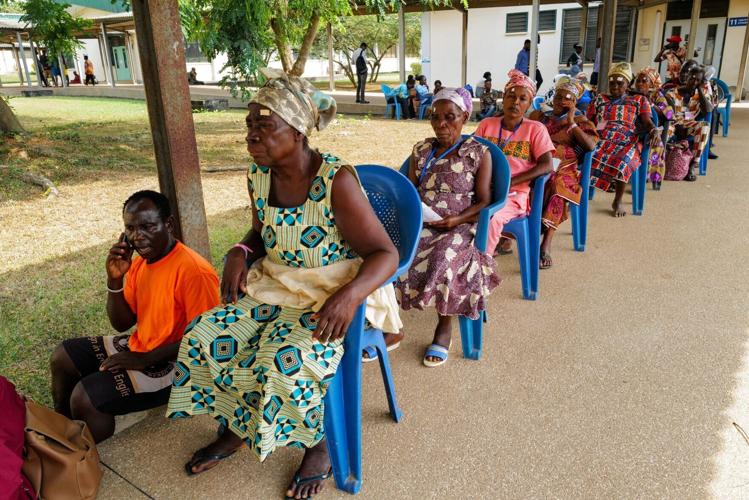
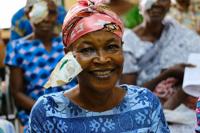
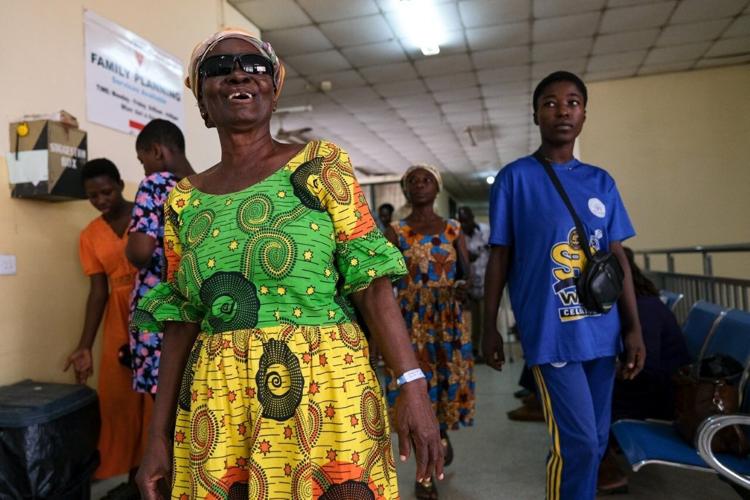
In Ghana alone, about 230,000 are currently blind, and only 128 ophthalmologists are available to treat the more than 30 million people living there. Since Cure Blindness began working in the country in 2006, there have been 150,300 sight-restoring surgeries.
What difference does it make for a blind person in Ghana to receive their sight?
“It’s everything, as I understand,” Clive said. “It’s incapacitating in Ghana to be blind. You can’t work, and additionally, a member of your family is taken out of commission. They said that typically a young girl is taken out of school, and is generally the one that’s tasked with being the primary caregiver to this blind person. And so they tout that really, when you cure a blind person, you’re giving two people their lives back.”
Recognizing that working for a nonprofit on the other side of the globe could perhaps be a little abstract, Clive looked for a way to have a tangible reminder of how his work at the hospital was helping. He reached out to Cure Blindness for specifics on how much it costs to cure a blind person in Ghana.
Clive keeps Post-it notes as reminders of every life touched by his donation of his working salary, to date. He said the number of Post-It notes so far is 160. That’s 160 people who once were blind, but now they see.
“I know that every single time I’m going in, that’s what it’s for. It’s much harder when you’re just deciding how much money to write on your check for your donation. Whereas if you know, ‘I’m working this hour or this day or this week,’ … it’s emotional for me to think about it.”
His advice to others: “The most important thing would be to try it. You know, I’m discovering things about this that I didn’t expect. I expected that at the end of the year, I’d feel gratified. I expected that I’d feel some degree of self-satisfaction. But as I do the shifts, I find that I’m enthusiastic when I finish my shift, even if it’s been a rough one. I’ve been up all night or whatever. When I get home, I’m like, ‘I wonder when my next shift is going to be so that I can make that bigger difference.’”



(0) comments
Welcome to the discussion.
Log In