


POCATELLO — The president of the local NAACP chapter says a recent “promposal” that disparages Black Americans serves as proof that racism persists in East Idaho.
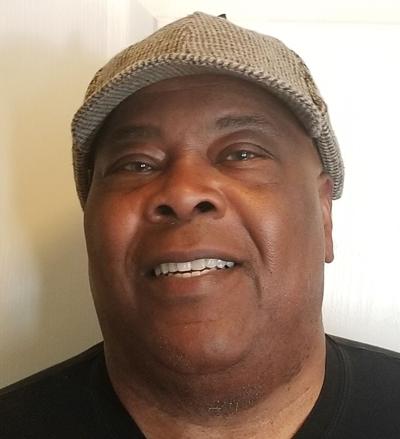
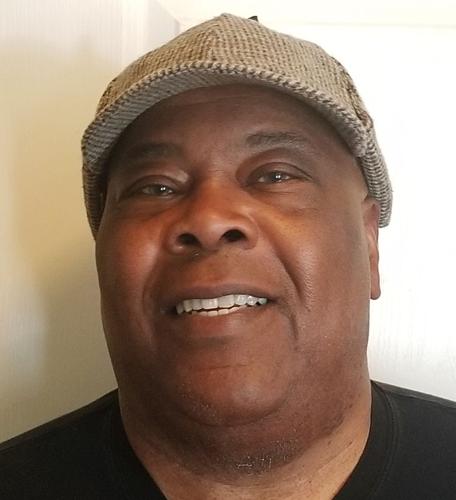
Pocatello NAACP President Kenneth Monroe says based on personal experience he wasn’t surprised to see a local prom proposal photo going viral online recently that depicts two white teenagers holding a sign that reads, “If I was Black I’d be pickin’ cotton but I’m white so I’m picking you for Prom.”
“I know other stories and experiences like this are out there and if there would be a way to get others to come forward with these stories we can begin the work to address these issues,” Monroe told the Idaho State Journal during a phone interview. “I don’t want to be negative about this, but for this poster to say what it did, that’s not even the first time someone has said that to me. People may not believe it, but Black people hear comments about picking cotton all the time.”
Pocatello-Chubbuck School District 25 announced on May 6 that it was investigating the racist “promposal,” though it declined to provide specifics regarding what that investigation would entail and what type of disciplinary action might follow.
The district did confirm last week that only one of the two teenagers depicted in the photo is a School District 25 student. District officials said they can’t release that student’s name due to the Family Educational Rights and Privacy Act.
Multiple local residents contacted the Journal about the racist social media post on the evening of May 5. District administrators first learned about it that night as well, School District 25 spokesperson Courtney Fisher said in an email to the Journal on May 6.
The initial photo was posted to Snapchat around 6:10 p.m. May 5 and began circulating on Facebook around 6:15 p.m. that same day.
School District 25 is not hosting any proms for its high schools this year, though numerous private proms have been organized within the Pocatello-Chubbuck area.
Identical racist “promposals” using the same language as the sign shared in the local incident have occurred at numerous high schools throughout the country over the past several years, most recently at a school in Minnesota within the past two weeks, according to Newsweek.
Fisher said all School District 25 staff and students receive annual training on diversity and inclusion, sexual harassment, suicide prevention, intimidation and bullying, adding that, “School District 25 wants to emphasize that it does not condone racism, intolerance or discrimination in any form.”
As someone who has been asked if he’s ever picked cotton before, Monroe said the damage this type of sentiment can have on a community is significant. Equally as troubling for Monroe was the public outcry, or lack thereof, regarding the recent racist prom proposal.
Monroe said when pictures surfaced last month on social media depicting a few Shelley High School students who had dressed in all black and painted their entire faces black, similar to the “blackface” stereotype, during the high school’s annual Russet Olympics, he received dozens of calls and text messages from angered members of the Pocatello community.
“The idea that we are surprised something like this could happen here is an attitude that we should get away from,” Monroe said. “When the ‘blackface’ situation happened in Shelley my phone was ringing off the hook and I was inundated with emails and texts with people saying how bad it was. When this racist ‘promposal’ surfaced here in Pocatello, I received just three calls about it. It’s interesting that it was so easy to criticize what was going on up there but people here had to stop and think a while when it happened in our own backyard.”
Monroe is hopeful this racist prom proposal will not be something the community “sweeps under the carpet,” adding that he believes it’s time local municipalities, business and enterprise leaders and potentially faith-based organizations consider creating a task force or commission that can work to educate the community about not only the effects of racism within a community but also what it looks like when a community becomes anti-racist. One example Monroe provided about anti-racism involves those who witness a racist act choosing to hold the person responsible by speaking out against the act or behavior.
“We talk about racism all the time, but what we need to be able to do is be anti-racist,” Monroe said. “We are not quite there yet, but what I envision is seeing people holding others accountable if they see or hear something that is racist. If you see that kind of behavior, don’t keep quiet about it, speak up.”
Monroe continued, “We need to be asking ourselves, ‘Was this just a prank, or are there truly some racist feelings here in East Idaho?’ People need to realize that racism does exist in East Idaho, that we need to be sensitive to that fact and also understand that this is an opportunity to learn, listen and celebrate the differences between all of those within our community.”
