

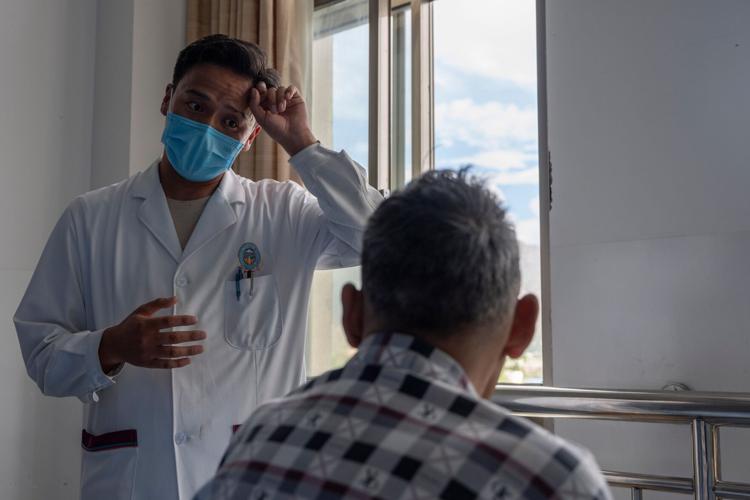
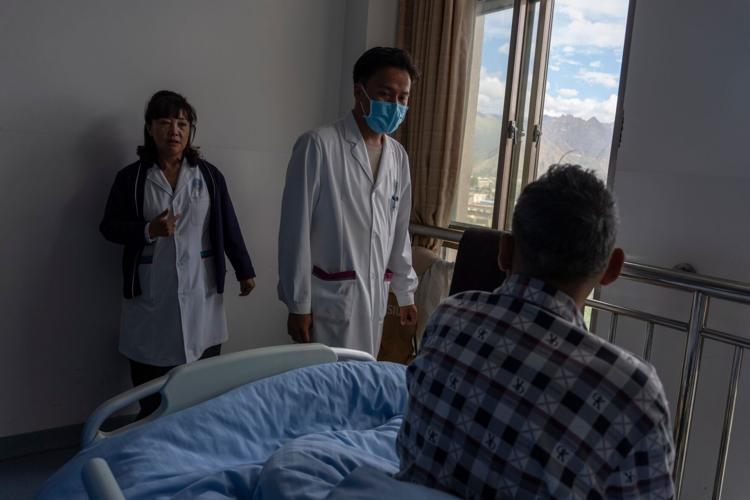
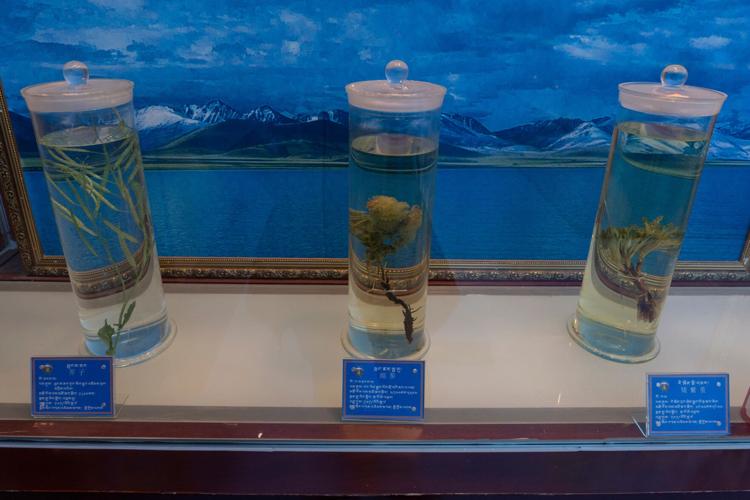
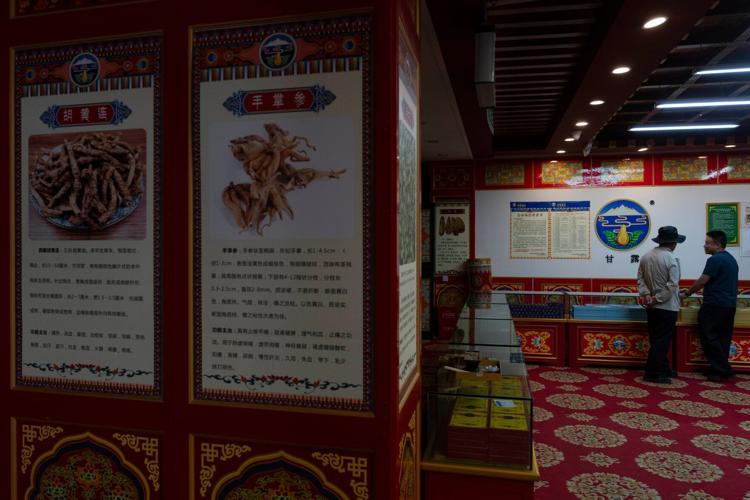
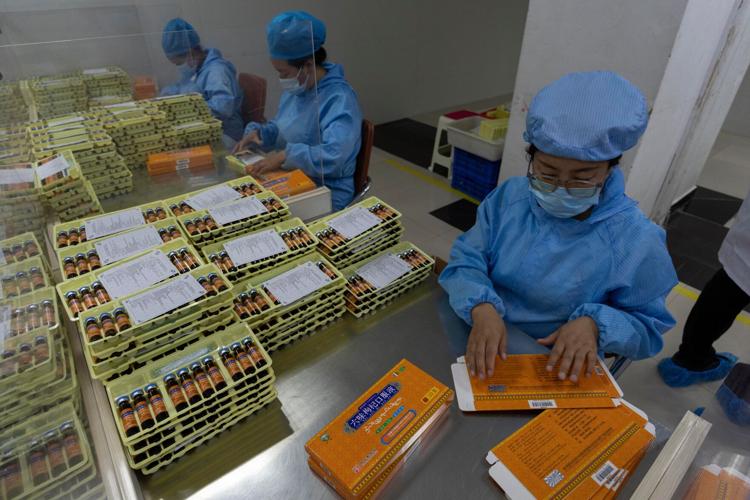
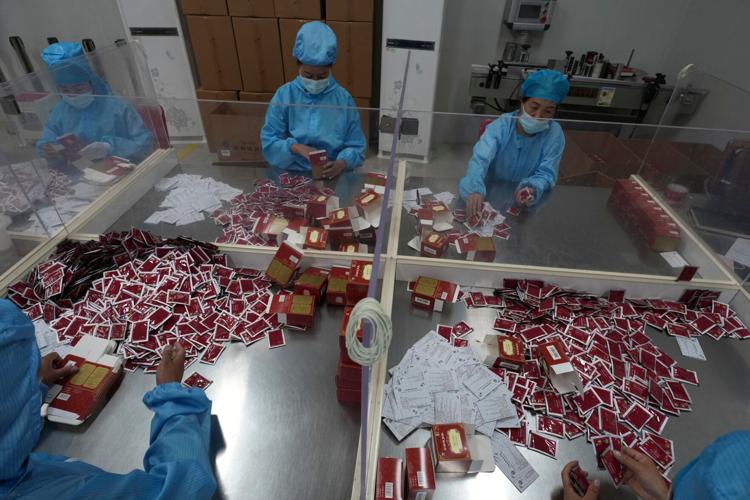
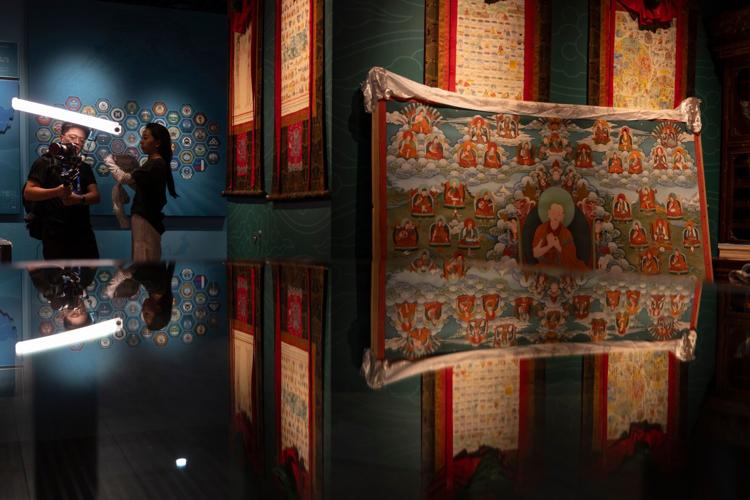
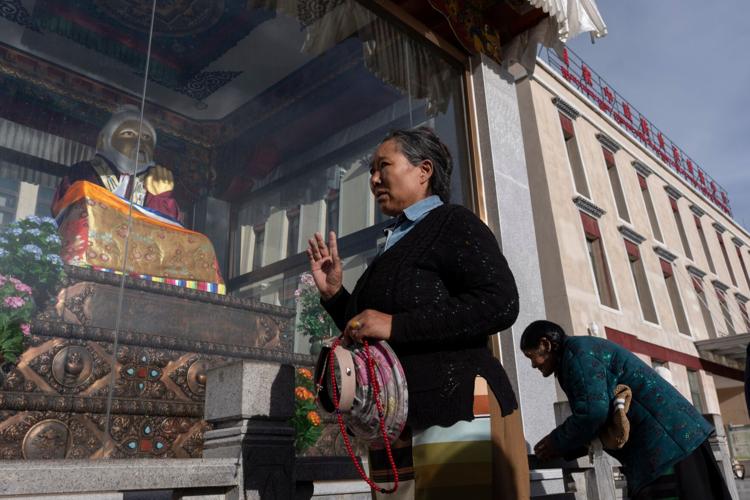
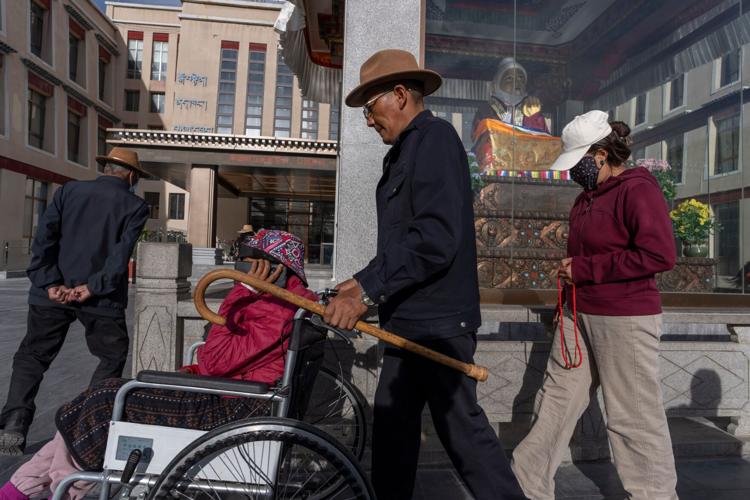
LHASA, Tibet (AP) — In the high-altitude region of Tibet, people continue to turn to a centuries-old medical system to treat some ailments, often alongside conventional medicine.
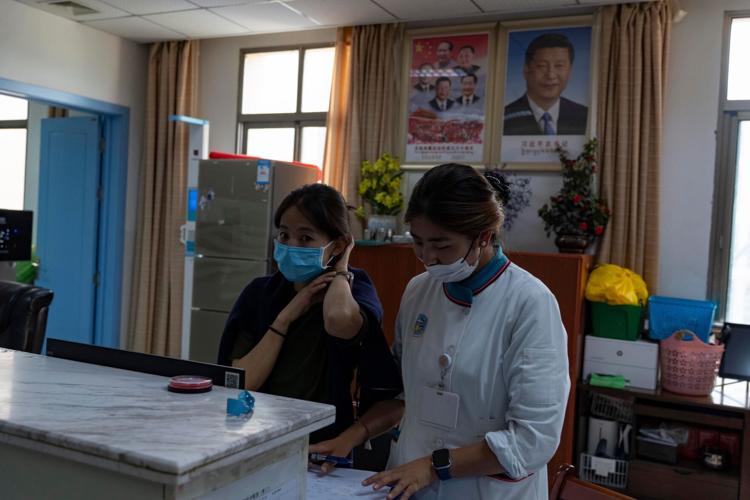
At the Xizang Autonomous Region Hospital of Tibetan Medicine in Lhasa, the autonomous region’s capital, doctors practice both approaches.
The Associated Press joined a government-organized trip last month to the cities of Lhasa and Shannan that included visits to the hospital, an eldercare center, palaces, Buddhist temples, tourist sites and local businesses. Government officials accompanied the foreign journalists throughout the visit, and AP journalists were not free to move around or conduct reporting independently. The AP retained full editorial control of its content.
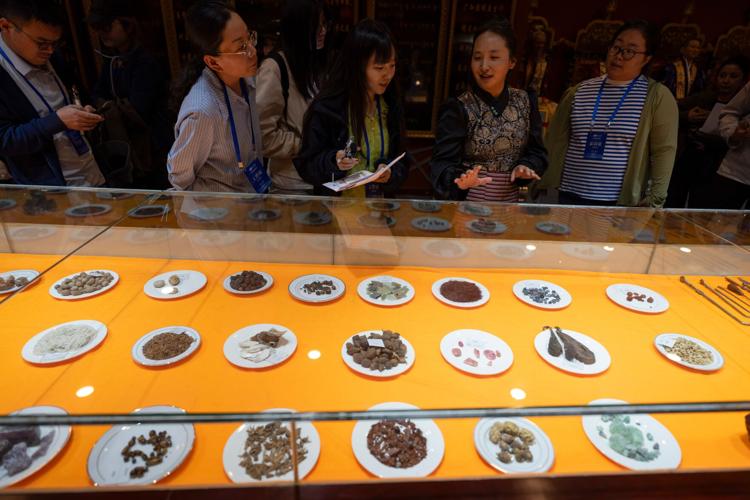
Known in Tibetan as “Sowa Rigpa,” or the “science of healing,” Tibetan medicine is closely connected to Tibetan Buddhist philosophy. The system views illness in part as the result of an imbalance among three elements: Loong, associated with movement and circulation; Tripa, associated with heat; and Badkan, associated with cold.
The World Health Organization says traditional medicine plays an important role in healthcare in many countries, but that its integration into health systems should be based on scientific evidence.
This is a photo gallery curated by AP photo editors.


(0) comments
Welcome to the discussion.
Log In