



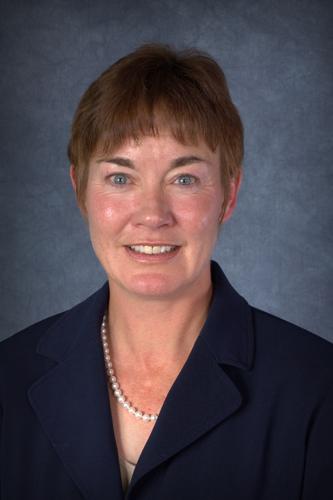



Raquel Lewis, Elizabeth Malasky and Judy Toth live in different corners of the country.
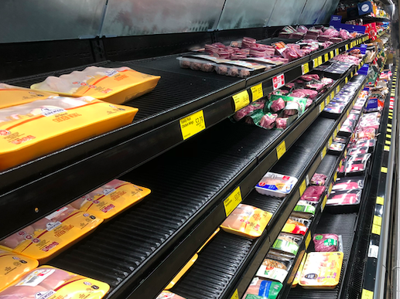
But they are facing what all U.S. consumers are grappling with right now: Supply chain and labor shortages resulting in empty supermarket shelves, and sticker shock in virtually every aisle of the retail experience. Fair to say, “inflation” is a household and proverbial four-letter word these days.
“We had to cut back on all non-essential things in our budget and I am more strict about making sure nothing is wasted,” said Malasky, who lives in Maryland and works for a local government agency.
In Pocatello, Barry Dutton, owner and president of Nel's Bi-Lo Market, 331 N. 15th Ave., has seen the price of chicken breasts more than double recently.
"The grocery budget is the easiest to cut. If (consumers) are going to change their budget they usually start with groceries," Dutton said.
Dutton said weather is partly to blame for rising produce prices, which go up seasonally during winter. But he said increase in fuel prices — which affect the cost of getting to food to market — escalating labor costs and a shortage of plastic is driving up grocery costs in general.
"A lot of this is labor driven. With the diary, they are struggling to get somebody to drive from the diary 15 minutes to drop the milk at the warehouse," Dutton said.
Regarding the plastic shortage, Dutton said half-gallon jugs have been tough to come by, and he hasn't been able to stock up on distilled water because there aren't enough plastic containers.
Malasky said higher prices for pet food and meat have affected her family the most.
The higher costs are prompting changes in consumer behaviors for many families.
“I only buy meat when it is on sale or once it has been marked down. It requires heading to the store either first thing in the morning or late at night, both of which are not ideal,” said Lewis, who is a consultant based in Texas and has a household of five including extended family members.
‘The poor always pay most’
Inflation rose 7% in 2021, according to the U.S. Bureau of Labor Statistics’ Consumer Price Index. That is the biggest increase since 1982. Food prices were up 6.3% and energy prices, including gasoline, were up 29.3%, according to BLS.
Inflation was up more in the South and Midwest compared to other regions, according to year-end CPI numbers.
Last year, the inflation rate was 7.4% in the South and 7.5% in the Midwest compared to 5.9% in the Northeast and 7.1% in Western states, according to BLS.
“Meat, milk (and) produce have skyrocketed. Eggs have gone up a lot too. And forget about bacon. Even on sale, it’s outrageous,” said Toth, who is now retired and lives in Arizona.
Toth is shopping sales at the grocery store when she can. “I’m kicking myself for not buying two briskets when they were on sale. I just can’t pay $100 for a brisket that used to cost around $25 to $30,” she said.
The burden these rising costs put on households across the country is the focus of “Inflation Hits Home,” a series of news and analysis to be published by Adams Publishing Group throughout 2022.
Michael Snipes, an economist and professor at the University of South Florida, said lower-wage workers and lower-income households are feeling the strains the most as higher prices for essentials such as groceries, transportation and housing take bigger bites out of their bank accounts.
“In the end, it’s always the poor who pay the most,” said Snipes.
Workers and households at the lower-end of the economic spectrum have been hit the hardest by the pandemic and its restrictions and shutdowns. They lost jobs, hours and pay at restaurants, bars, retail stores and hotels while stock markets set records during the pandemic and many white-collar and technology workers were able to work from home.
The burden these rising costs put on households across the country is the focus of “Inflation Hits Home,” a series of news and analysis to be published by Adams Publishing Group throughout 2022.
Economists continue to look at what is causing the spikes in prices for food, gasoline and housing, as they try to anticipate when consumers will get relief.
“This persistent inflation is probably a little more problematic because it’s coming from the supply side,” said Anne Alexander, an economist at the University of Wyoming.

Anne Alexander
Alexander sees some parallels to the inflation that besieged the U.S. economy during the 1970s and early 1980s, which was spurred by higher energy and gasoline prices.
Gas prices are also up now, with the average price for a gallon of gasoline at $3.33 nationally compared to $2.40 per gallon a year ago, according to AAA. The price of diesel is up more than $1 per gallon from a year ago — $3.68 per gallon versus $2.64 per gallon.
The early shutdowns caused by the COVID-19 pandemic, coupled with massive relief programs from governments and central banks, led to a surge of pent up demand and spending as economies and social activities have restarted.


Inflation is the rate of increase in prices for goods and services over a given period of time within an economy. Inflation also shows increases in costs of living, decreases in purchasing power including the value of currencies.
‘People are in a panic’
Alexander and other economists see inflation moving beyond pandemic-induced pent up demand, supply chain problems and labor shortages as major drivers of the current inflation storm.
“It’s supply chain issues and it’s labor,” she said.
Consider:
• Farmers, manufacturers and other producers cut back on production during the early shutdowns, cutting jobs and slowing some operations. They have been challenged to restart those operations as workers are hesitant to go back to low-paying service and production jobs (many of which do not include benefits), and as families grapple with continued disruptions at schools and day care centers.
• Expanded unemployment benefits kept some workers on the labor market sidelines, along with concerns about bringing the virus home from workplaces, as part of the pandemic dynamics. Employers are being forced to pay more to workers. This, and the marked rise in transportation and other operating costs, continues to drive up prices.
• Shortages of truckers, port workers and retail employees in the U.S. and COVID-related port shutdowns in China have resulted in recent shortages of items such as cream cheese, pet food, soda and meat.

Consumers across the country are grappling with higher prices and empty shelves.
“The whole nine yards,” Alexander said of shortages she has seen of grocery products.
Empty store shelves and past shortages of products such as toilet paper are also having psychological effects on consumers, which helps propel demand and higher prices, according to Mohammad Ali, an economist and business professor at the University of Maryland Eastern Shore.
“People are in a panic,” said Ali.
He said worries about supply chain snags, worker shortages and empty shelves have resonated with shoppers who are buying more products when they see them available.
Ali said some shoppers who might stock up on items for two weeks worth of food supplies are now buying a months-worth of food. “This is all psychological,” Ali said.
That demand dynamic is not helping ease upward price pressures and Ali expects to see the inflation dynamic continue through the first half of 2022.

{photoSource}Wyoming Tribune Eagle{/photoSource}
Mohammad Ali
Ali hopes the price hikes will at least stabilize in the latter half of the year but said the supply chain, labor and inflationary dynamics are being seen in markets outside the U.S.
“It is everywhere. It is a global economy,” Ali said.
Reverse engineering recipes and grocery lists
Snipes also is unsure when the inflationary burden will lift.
“It’s really difficult to say exactly when big macroeconomic things are going to change. Anybody who says when it’s going to stop is either ignorant or lying,” Snipes said.
He also does not blame COVID relief and stimulus programs that helped workers and households for the inflation surge. Snipes said those payments were often used to pay rent, maintain and fix cars and for groceries.
He agrees that the psychological effects of empty shelves helps drive some levels of panic buying.


Adams Publishing Group’s participating news organizations have enlisted economists from universities across the country to offer perspective and insight into inflationary pressures and their impacts on consumers and local economies. These experts will be featured in stories throughout the year along with consumers, small businesses and policy makers from markets involved in this project.
“From my perspective, that is sort of a deflating thing,” Snipes said. “It does put a weight on consumers and customers’ expectations and that is absolutely impacting spending.”
Back at the consumer level, the higher prices and empty shelves are prompting innovative approaches in supermarket aisles across the country.
Geri Koeppel, a freelance editor and writer in Phoenix, has changed where she shops and what brands she buys for items such as coconut milk, pasta and eggs in order to find them in stock and at the best prices.
She’s also looking more at grocery store circulars and sale items, and reverse-engineering her recipes lists.
“I often check the circular or just when I am at the store browse the aisles so I can make meals around that,” Koeppel said.

(0) comments
Welcome to the discussion.
Log In