

BILLINGS, Mont. (AP) — A Montana judge has temporarily restricted wolf hunting and trapping near Yellowstone and Glacier national parks and im…
Officials with an Australian company's newly opened cobalt mine in east-central Idaho say it could soon produce enough of the key ingredient in lithium batteries to build 400,000 electric vehicles annually. Officials with Jervois Global Limited held an opening ceremony last week at the mine. They say the remote, underground mine will likely start operating at full capacity early in 2023. President Joe Biden in March directed the Defense Department to consider at least five metals — lithium, cobalt, graphite, nickel and manganese — as essential to national security and authorized steps to bolster domestic supplies. U.S. officials want to reduce reliance on China and other countries for the metals.
Idaho's top wildlife official says the state's wolf population appears to be holding steady despite recent changes by lawmakers that allow expanded methods and seasons for killing wolves. Idaho Department of Fish and Game Director Ed Schriever told lawmakers on the Natural Resources Interim Committee on Thursday that human-caused and natural wolf mortality looks similar to three previous years. The agency says the population fluctuates from more than 1,600 in the spring when pups are born to about 800 in late winter. He says the midpoint is about 1,250 wolves. The agency won't have a solid estimate until January when it finishes analyzing millions of photos taken by remote cameras.
The Biden administration is proposing a new permitting program for wind energy turbines, power lines and other projects that kill bald and golden eagles. The move comes amid growing concern among scientists that a rapid expansion of renewable energy in the U.S. West that's now underway could harm golden eagle populations now teetering on decline. The Fish and Wildlife Service program announced Thursday is meant to encourage companies to work with officials to minimize the harm to golden and bald eagles. There are about 350,000 bald eagles but only 40,000 golden eagles, which need much larger areas to survive and are more inclined to have trouble with humans.
The Biden administration has released two reports arguing that removing dams on the lower Snake River may be needed to restore salmon runs in the Pacific Northwest. The reports say replacing the electricity created by the dams is possible but will cost $11 billion to $19 billion. The reports were released Tuesday by the White House Council on Environmental Quality. Council chair Brenda Mallory says business as usual will not restore salmon. Her office is leading multi-agency efforts to restore “abundant runs of salmon to the Columbia River Basin.” Mallory cautioned that the Biden administration is not endorsing any single long-term solution, including breaching the dams.


BOISE, Idaho (AP) — A highly contagious form of avian influenza has been found in two Idaho chicken flocks, prompting state agriculture offici…

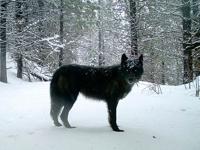
Officials in Oregon are asking for public assistance to locate the person or persons responsible for poisoning eight wolves in the eastern par…
Death’s come knocking a last time for the splendid ivory-billed woodpecker and 22 more birds, fish and other species: The U.S. government on W…


SPOKANE, Washington — Gov. Jay Inslee has directed the Washington Fish and Wildlife Commission to draft new rules governing the killing of wol…

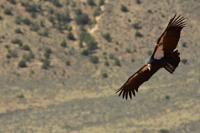
SEQUOIA NATIONAL PARK, California (AP) — Endangered California condors have been spotted in Sequoia National Park for the first time in nearly…
