

At Idaho National Laboratory, we do a lot of things. That long list includes:
- Helping extend the lives of America’s nuclear reactor fleet, generating 20 percent of U.S. electricity and more than half our carbon-free electricity while adding $60 billion annually to the U.S. gross domestic product
- Working with industry to develop and demonstrate advanced reactor designs.
- Protecting and making more resilient the nation’s power grids, and water and transportation systems, from man-made and natural threats.
- Leading programs in clean energy research on electric vehicle batteries, biofuels, integrated energy systems — utilizing multiple energy sources efficiently.
- Working with community leaders and educators to secure talent of the future and improve quality of life.
With so much going on, we have a new initiative that I have been asked to lead: to prepare and develop a sustainable workforce and subcontracting community and build a supply chain that not only benefits our needs but Idaho’s economy over a longer duration. This column helps to highlight the fascinating people that will help make that happen.
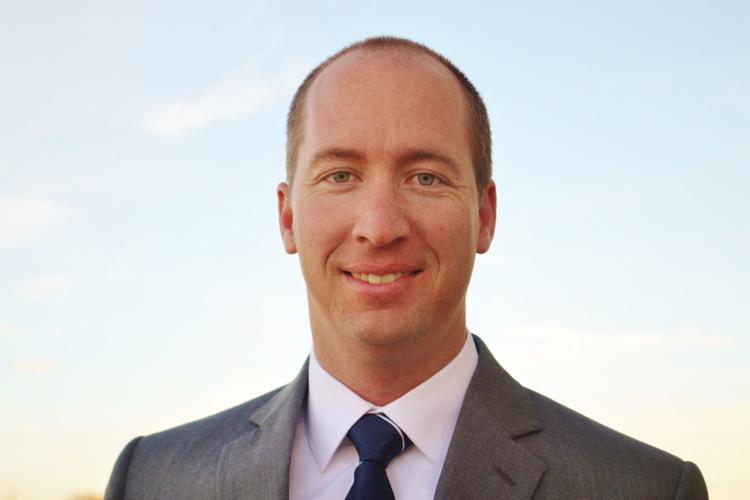
This month, I am featuring Will Jenson, director of business research at the Research and Business Development Center in Rexburg.
Jenson provides economic development support for INL and serves on boards of directors for multiple economic development organizations across East Idaho.
He is on the Small Business Administration loan review committee for East-Central Idaho Planning and Development Association. He is also senior patroller at Kelly Canyon Ski Resort.
Amy Lientz: What drew you into this field?
Will Jenson: I was always interested in small business and how people make decisions. Being mechanically inclined, I decided to mix mechanics and business together and that interested me in the field of economics.
Lientz: How can an economist help grow our economy?
Jenson: I help make sense out of industry trends, labor markets and other information that businesses rely on to make wise decisions. Economists have skill sets that allow us to analyze data and interpret it.
Lientz: What is East Idaho’s biggest economic opportunity?
Jenson: Developing the science and technology cluster that exists today. Much of our economy depends on science and technology driven by INL and other businesses in the area. There are numerous opportunities for businesses to supply goods and services to INL and other businesses that are a part of our science and technology industry cluster.
Lientz: What are the biggest challenges for businesses in East Idaho?
Jenson: Attracting and retaining talent. With low unemployment rates, competition for workers and talent is at a high. This makes it difficult to attract the right workers and be able to pay them competitive wages.
Lientz: How can industry, education and economic development organizations work better together?
Jenson: More communication is needed. Every county in Idaho has a different economy. We don’t have to compete against each other. But we can collaborate to help bring business to the area that would benefit everyone.
Lientz: Is there a success story you can share about the great things that happen when organizations and communities work together?
Jenson: The new cybersecurity building and high-speed computational center at INL are great examples. The laboratory, Idaho’s universities, state government and industry came together to create something that will benefit the nation and Idaho.
Lientz: How we can communicate and learn about opportunities, so our business environment prospers?
Jenson: In the spring, we hope to have a training for economic development professionals across the state and provide them information that will help grow the science and technology cluster across Idaho. We also hope to provide information about opportunities for businesses to get involved more with our work.
Lientz: Where can businesses, elected officials, and economic development organizations learn more about economic opportunities in Idaho?
Jenson: I hope we can be a resource for elected officials and economic development organizations. There are more and more business networking opportunities. Information through social media is becoming increasingly important for elected officials and economic development organizations.
Lientz: How important is workforce availability to business?
Jenson: This is a top issue right now. Replacement workers for those nearing retirement will be hard to find. Eventually, industry will have to replace jobs normally held by individuals with automated technology. The construction industry is particularly sensitive to this. It is hard for construction labor to be replaced completely by machines. For that reason, the costs of construction could continue to increase.
Lientz: A grant opportunity for technology-based economic development was recently announced. Can you provide some more insight on this grant?
Jenson: This grant can be a catalyst for a lot of good things. I encourage nonprofit organizations interested in applying to contact me so we can talk over ideas they might have. We hope this grant can help grow the economy and benefit other industries, as well as INL.
Lientz: What would you consider your superpower?
Jenson: Skiing powder and time management.
Lientz: Which talent would you most like to have?
Jenson: I would love to play an instrument, maybe guitar or something like that, but I think I’m a little late getting started.
Lientz: What is your motto for yourself and for the organization you lead?
Jenson: Always work hard and perform at your highest ability. Under promise and overproduce. Never burn any bridges.
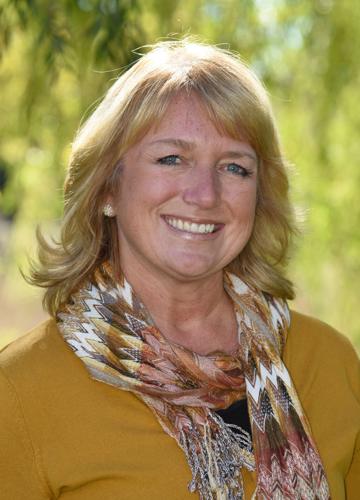
Amy Lientz is director of INL’s Energy Industry Supply Chain and is focused on East Idaho’s growing energy and industry. She leads efforts to build the workforce pipeline and the vendor and contractors required to support the growing opportunities here in Idaho and beyond.

(0) comments
Welcome to the discussion.
Log In