
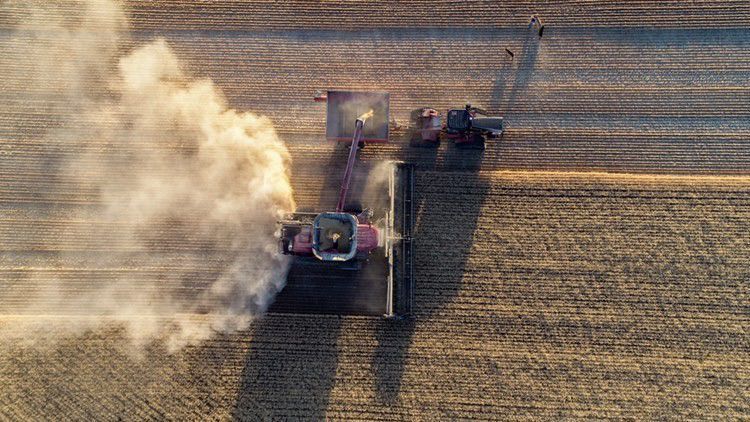

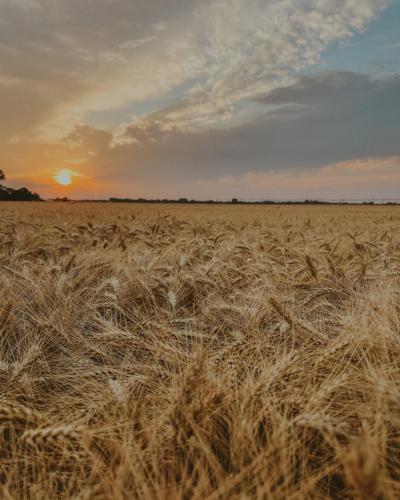

If you eat wheat products, chances are you regularly consume wheat grown in Idaho.
The Gem State typically ranks No. 5 or 6 in the nation for total wheat production.
“Anything you see on the grocery store shelf that has wheat in it could have been made from a variety of wheat grown here in Idaho,” said Casey Chumrau, executive director of the Idaho Wheat Commission, which represents the state’s wheat growers.
Wheat is grown in 42 of Idaho’s 44 counties and the state’s 2,500 wheat farmers typically produce more than 100 million bushels of wheat each year off of about 1.2 million acres.
Idaho farmers grow five of the six classes of wheat, which means Idaho wheat is used in a wide variety of products.
Idaho wheat is used in a lot of big-name products, including Papa Murphy’s pizza dough, Mission tortillas, Taco Bell products, Cheez-It crackers, Goldfish crackers and other Pepperidge Farm products, red licorice and Nabisco products.
A large number of breakfast cereals also use Idaho wheat.
“If people are eating wheat products at breakfast, lunch and dinner, there is a good probability that they are eating wheat from Idaho at every single meal,” Chumrau said. “A lot of the big brand names that everybody knows and puts in their kids’ lunches are made with Idaho wheat.”
It’s likely the vast majority of Idahoans have no idea Idaho wheat shows up in so many products, and Meridian wheat farmer Neil Durrant believes a lot of Idaho farmers don’t know either.
“I don’t think many farmers know what products their wheat goes into,” he said.
Ririe farmer Gordon Gallup said he didn’t know until he served on the Idaho Wheat Commission.
“It was kind of an eye-opener and a fun fact to learn,” he said.
Most states produce one or two classes of wheat but Idaho produces five of the six wheat classes: soft white, hard white, hard red spring, hard red winter and durum wheat.
“We have a wheat class for every single end product, so there is a huge variety and range of products that our wheat goes into,” Chumrau said.
The reason Idaho is able to produce so many classes of wheat, she said, is that “we have great geographic diversity in Idaho — we have a lot of micro-climates here — and our irrigation infrastructure helps a lot because it allows us to have a very consistent crop year after year and control that Mother Nature side of the production process.”
According to farmers, Idaho’s hot, dry summers, coupled with adequate irrigation water from the state’s reservoirs — almost two-thirds of Idaho’s wheat is grown under irrigation — creates ideal growing conditions for wheat.
The desert environment in southern Idaho also means fewer plant pests and diseases.
Chumrau said Idaho has a reputation for producing a consistent supply of quality wheat, which makes the state important to many large wheat buyers across the nation and world.
That means that besides ending up in many different products, Idaho wheat also ends up in many different locations.
Wheat grown in Idaho is shipped to at least 26 different states and is exported to a long list of other countries.
According to the IWC, in the past five years, dozens of wheat buyers from countries representing 35 percent of the world’s population have visited Idaho wheat farms and elevators to inspect the state’s wheat crop.
Chumrau said Idaho’s wheat industry focuses not only on good agronomic qualities of the wheat varieties grown here but also on the end-use quality specifications that wheat buyers are looking for.
“So the customers, both domestically and internationally, know that Idaho always has a high-quality product to offer,” she said. “The fact that these customers can get multiple classes of wheat from one source and one area makes it a lot more attractive to them and, logistically, more economical.”
Wheat is Idaho’s No. 2 crop, behind potatoes, in terms of total farm-gate receipts, which is what the farmer receives for their commodity, and is an important part of farmers’ crop rotations across the state.
The majority of Idaho’s wheat crop is soft white wheat, which is used in sponge cake, noodles and cookies.
The hard wheat varieties go into everything from pan to artisan breads, tortillas and some pastas. Durum wheat is used for pasta.

(0) comments
Welcome to the discussion.
Log In