




WASHINGTON, D.C. — Idaho’s two congressional representatives split Wednesday as the U.S. House of Representatives overwhelmingly approved a bipartisan resolution opposing President Donald Trump’s decision to withdraw U.S. troops from northern Syria.
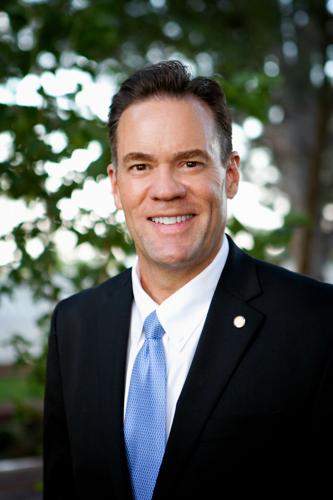
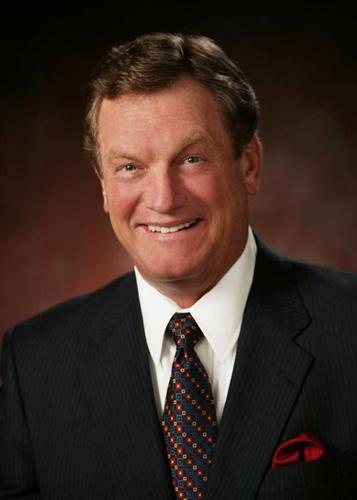
House members voted 354-60 in opposition to the withdrawal. Idaho 2nd District Rep. Mike Simpson voted with the bipartisan majority; 1st District Rep. Russ Fulcher was among the 60 “no” votes.
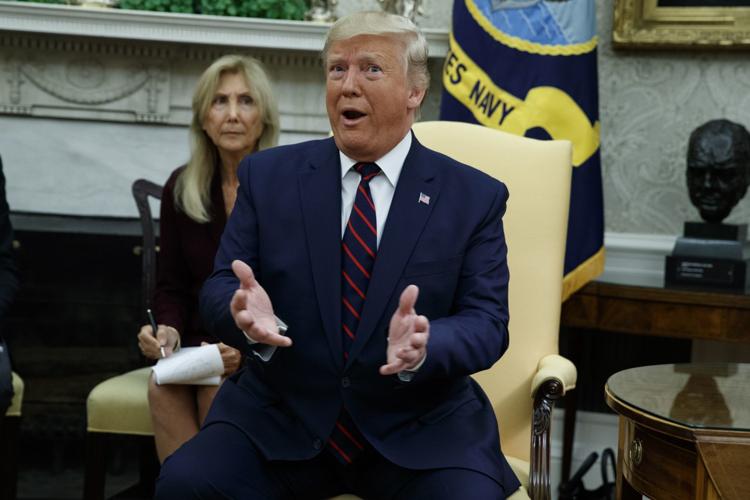
Trump declared Wednesday the U.S. has no stake in defending the Kurdish fighters who died by the thousands as America’s partners against Islamic State extremists. Hours later, House Speaker Nancy Pelosi and other top Democrats walked out of a meeting at the White House, accusing him of having a “meltdown,” calling her a “third-rate politician” and having no plan to deal with a potentially revived Islamic State group.
Condemnation of Trump’s stance on Turkey, Syria and the Kurds was quick and severe during the day, not only from Democrats but from Republicans who have been staunch supporters on virtually all issues.
The House, divided over the Trump impeachment inquiry, banded together for the denunciation of the U.S. troop withdrawal. The Idaho Press requested comment from Fulcher and Simpson about their vote, but did not hear back by Wednesday evening.
Many lawmakers expressed worry that it may lead to revival of IS as well as Russian presence and influence in the area — in addition to the slaughter of many Kurds.
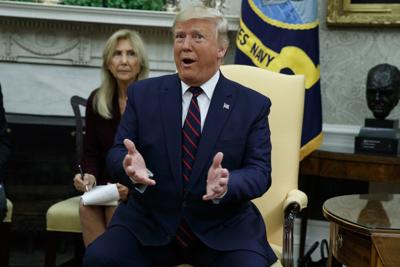
At the White House, Trump said the U.S. has no business in the region — and not to worry about the Kurdish fighters.
“They know how to fight,” he said. “And by the way, they’re no angels.”
After the House condemnation vote, the congressional leaders of both parties went to the White house for a briefing, which grew contentious, with Trump and Pelosi trading jabs. The Democrats said they walked out when the meeting devolved into an insult-fest.
“What we witnessed on the part of the president was a meltdown,” Pelosi told reporters, saying Trump appeared visibly “shaken up” over the House vote.
“We couldn’t continue in the meeting because he was just not relating to the reality of it,” she said.
Senate Democratic Leader Chuck Schumer criticized Trump for not having an adequate plan to deal with IS fighters who have been held by the Kurds. He said the meeting “was not a dialogue, this was sort of a diatribe, a nasty diatribe not focused on the facts.”
Republicans pushed back, saying it was Pelosi who’d been the problem.
“She storms out of another meeting, trying to make it unproductive,” said House GOP leader Kevin McCarthy.
White House spokeswoman Stephanie Grisham called Pelosi’s action “baffling but not surprising.” She said the speaker “had no intention of listening or contributing to an important meeting on national security issues.”
Separately on Wednesday, a letter was disclosed in which Trump both cajoled and threatened Turkish President Recep Tayyip Erdogan last week, urging him to act only in “the right and humane way” in Syria.
He started on a positive note, suggesting they “work out a good deal,” but then talked about crippling economic sanctions and concluded that the world “will look upon you forever as the devil if good things don’t happen. Don’t be a tough guy. Don’t be a fool!”
In public appearances Wednesday, Trump said he was fulfilling a campaign promise to bring U.S. troops home from “endless wars” in the Middle East — casting aside criticism that a sudden U.S. withdrawal from Syria betrays the Kurdish fighters, stains U.S. credibility around the world and opens an important region to Russia, which is moving in.
“We have a situation where Turkey is taking land from Syria. Syria’s not happy about it. Let them work it out,” Trump said. “They have a problem at a border. It’s not our border. We shouldn’t be losing lives over it.”
Trump said he was sending Vice President Mike Pence and Secretary of State Mike Pompeo to Ankara to urge the Turks to halt their weeklong offensive into northeastern Syria. But his remarks, first to reporters in the Oval Office and later at a news conference with his Italian counterpart, suggested he sees little at stake for America.
“Syria may have some help with Russia, and that’s fine,” he said. “They’ve got a lot of sand over there. So there’s a lot of sand that they can play with.
“Let them fight their own wars.”
More than once, Trump suggested the United States has little concern in the Middle East because it is geographically distant — a notion shared by some prior to Sept. 11, 2001, when al-Qaeda militants used Afghanistan as a base from which to attack the U.S. That attack set off a series of armed conflicts, including in Iraq, that Trump considers a waste of American lives and treasure.
The current withdrawal is the worst decision of Trump’s presidency, said Sen. Lindsey Graham, R-South Carolina, who meets often with the president and is one of his strongest and most important supporters in Congress.
“To those who think the Mideast doesn’t matter to America, remember 9/11 — we had that same attitude on 9/10, 2001.”
Senate Republican leader Mitch McConnell of Kentucky said he strongly disagreed with Trump and had told the president so. But he asked, “What tools do we have” to back up that disagreement?
Turkish troops and Turkish-backed Syrian fighters launched their offensive against Kurdish forces in northern Syria a week ago, two days after Trump suddenly announced he was withdrawing the U.S. from the area. Turkey’s Erdogan has said he wants to create a 20-mile-deep “safe zone” in Syria.
Trump imposed new sanctions on Turkey this week in an attempt to force Erdogan to end his assault. But he said Wednesday, “It’s time for us to come home.”
As he defended his removal of U.S. troops from northeastern Syria, Trump praised his decision to send more troops and military equipment to Saudi Arabia to help the kingdom defend against Iran. Trump said the U.S. is sending missiles and “great power” to the Saudis, and “they’re paying for that.”


(0) comments
Welcome to the discussion.
Log In