



A Wilson’s phalarope took to the skies in north-central Montana before dawn on June 21 and flew about 350 miles to eastern Idaho in 6½ hours. Its unexpected journey, captured by the Motus Wildlife Tracking System, is among the migration data researchers are collecting through a growing network of tracking towers across the continent. In the Gallatin Valley, the Sacajawea Audubon Society has built three Motus towers and plans a fourth to support conservation efforts by improving monitoring of regional flyways and bird movements.



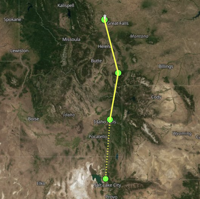
Data on Wilson's phalarope #71795 in the Motus system.


A male mountain bluebird carries an insect.
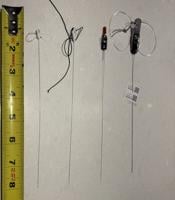
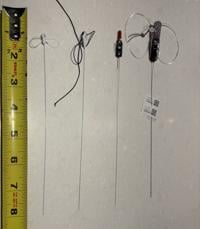
Motus tags ranging from 0.2 to 1.0 grams (0.007 to 0.04 ounces). The larger tag’s solar panel measures less than 1/2 by 1/4 inch.

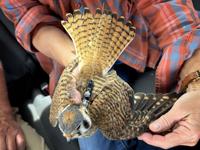
A completed Motus tag on a female kestrel.


A 25-day-old kestrel fitted with a Motus tag.


A traditional wing tag on an American white pelican.


Male American kestrel with a completed Motus tag after being caught in a nest box. Male kestrels will help incubate eggs approximately 25% of …
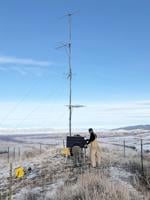
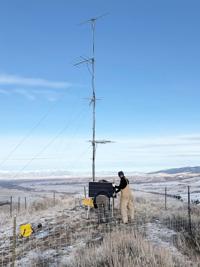
Finishing off the Gallatin River Tower at The Flying D Ranch in December.
