


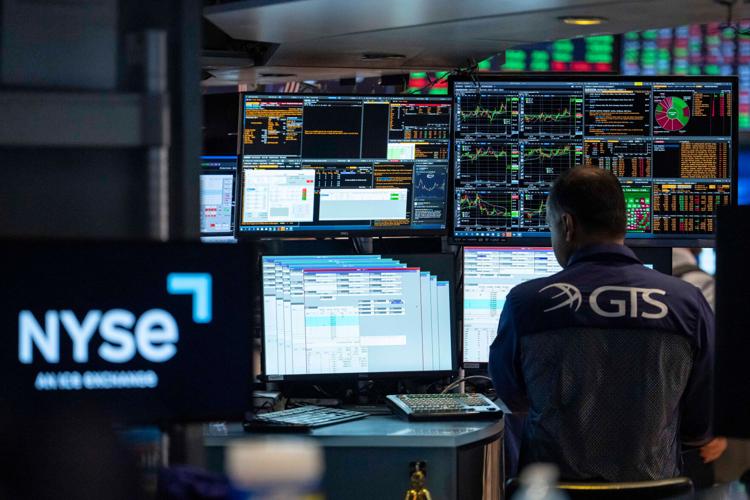

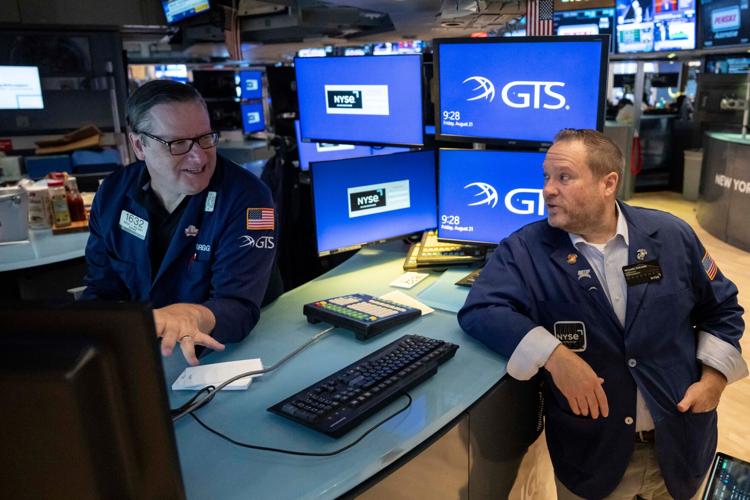

NEW YORK (AP) — Stocks fell on Wall Street Wednesday as the price of crude oil rose back above $100 a barrel amid further escalation in the U.S. war with Iran.
The S&P 500 index fell 0.3%. The Dow Jones Industrial Average fell 311 points, or 0.6%, as of 10:45 a.m. Eastern time. The Nasdaq composite fell 0.4%.
The losses were broad, with retailers among the companies leading the market lower. Amazon fell 1.8% and Starbucks fell 1.5%. Nearly every sector within the benchmark S&P 500 lost ground, but oil companies pushed higher. Exxon Mobil rose 1.9% and Chevron rose 1.6%.
Oil prices drove much of the action on Wall Street. The U.S. destroyed five Iranian tankers on Tuesday in a series of attacks between the two nations. The conflict that began in February has essentially shut down traffic in the Strait of Hormuz, where a fifth of the world’s oil supply passed before the war began.
The price of Brent crude, the international standard, rose 3.3% to $101.18 a barrel. It marks the first time the price surpassed $100 a barrel since July.
The jump in oil prices over the course of the war has fueled already high inflation. Gasoline prices in the U.S. are up about 32% from a year ago to $4.22 per gallon. Higher fuel prices cut into household budgets directly when it comes to the cost of driving, but they also indirectly raise prices for goods because of higher shipping costs.
The price of fiesel, which can have an outsized impact on consumers because it is used in shipping and production, hit an all-time high Friday and has continued to climb since. The average price for a gallon reached $5.94 overnight and is now 9 cents higher than it was Friday.
Inflation was already stubbornly high when the U.S. started its war against Iran because of the ongoing U.S. trade war with much of the world. That trade war is also heating up, especially between the U.S. and its close ally and trade partner Canada.
Wall Street will get more updates this week on inflation, starting with a look at prices at the wholesale level on Thursday with the release of the Producer Price Index for August. It measures prices businesses pay for goods before they reach customers. That report will be followed up Friday with the release of the Consumer Price Index, or CPI, for August, which shows the more direct price impact for households.
The latest reports are expected to show that the rate of inflation remains above 3%. That has been an issue for the Federal Reserve, which is aiming to hold inflation at a target rate of 2%. The central bank has been holding rates steady, but Wall Street is leaning toward a 60% chance that it will raise its benchmark interest rate at its meeting next week, according to data from CME Group.
Higher interest rates make borrowing more expensive. The goal of raising interest rates is to slow the economy and cool inflation.
Treasury yields held relatively steady in the bond market. The yield on the 10-year Treasury rose to 4.81% from 4.80% ate Tuesday.
Elsewhere on Wall Street, shares of Meta Platforms rose 5.7% as the parent company of Instagram and Facebook launched a personal artificial intelligence agent, Muse, for people 18 and over who are looking for help with day-to-day tasks like schedules and shopping.
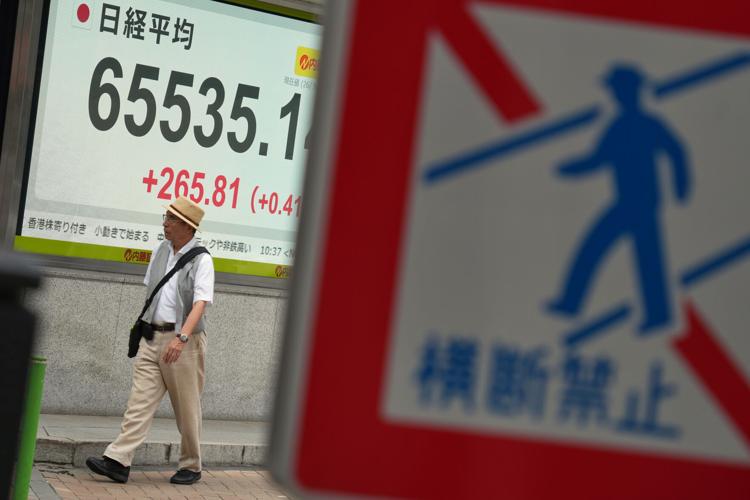
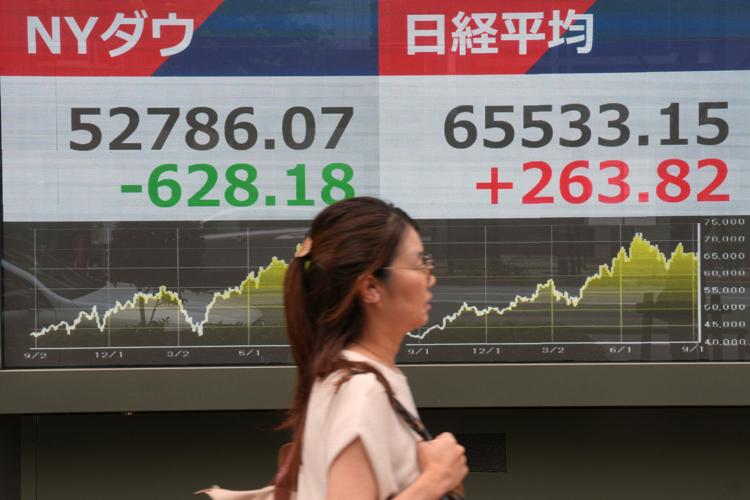
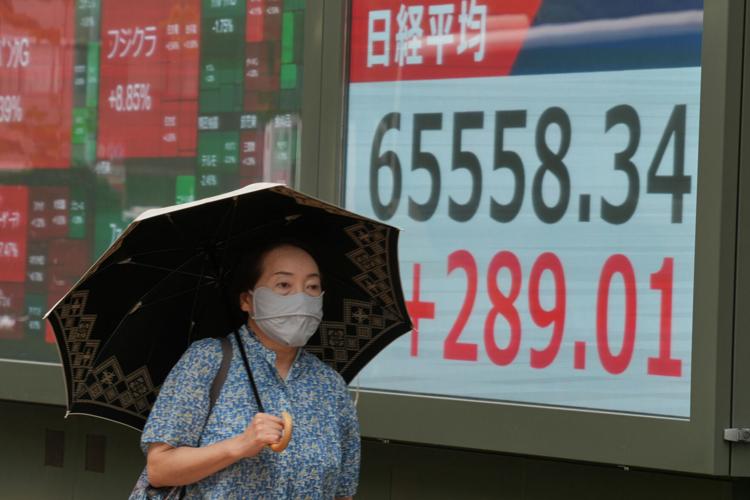
Markets in Europe fell while markets in Asia closed mixed.
AP Business Writers Yuri Kageyama and Michelle Chapman contributed to this report.

(0) comments
Welcome to the discussion.
Log In